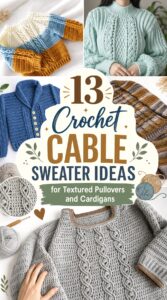
Crochet cable sweaters can look very different depending on the neckline, cable placement, sleeve shape, and overall construction. This collection includes pullovers, cardigans, button-up styles, a top-down raglan, an oversized turtleneck, and a child-size pullover, so readers can compare more than one kind of cable sweater before choosing a tutorial.
Some designs focus on a bold center texture, while others use repeated cable panels across the body or sleeves. A few are made around measurements, and others provide a set size range or linked pattern support. Use the project notes below to decide which sweater shape, fit information, and learning format match the kind of finished garment you want.
Quick List
- Crochet Classic Mock Neck Cable Sweater
- Crochet Made-to-Measure Panel Cable Cardigan
- Crochet Cable Cardigan with Flower Detail
- Crochet Straightforward Cable Pullover Sweater
- Crochet Top-Down Cable Pullover Sweater
- Crochet Braided Cable Cardigan Sweater
- Crochet Soft Cabled Pullover Sweater
- Crochet Relaxed Cable Pullover Sweater
- Crochet Fluffy Cable Cardigan Sweater
- Crochet Button-Up Cable Cardigan for Child-to-Adult Sizing
- Crochet Solid-Color Super Merino Cable Sweater
- Crochet Oversized Cable Turtleneck Sweater
- Crochet Child Cable Pullover Sweater
Fit and Construction Details to Compare First
Cable sweaters are not only about the raised stitch pattern. The bigger decision is the garment shape. A pullover with a mock neck gives a different fit question than an open cardigan with buttons, and a top-down raglan asks for different measuring checks than a seamed panel sweater. Before choosing a tutorial, look for the size range, whether the sweater is made to measure, how the neckline is finished, and whether the front, back, sleeve, and side shaping are clearly shown. For cable-heavy designs, also notice where the texture sits. A center cable can feel cleaner and easier to style, while allover or panel-based cables create a stronger statement but may need more careful progress checking.
1. Crochet Classic Mock Neck Cable Sweater
 SAVE
SAVEA classic mock neck shape gives this cable sweater a structured pullover look without turning it into a full turtleneck. The front uses bold cable texture with surrounding stitch detail, while the sleeves and bands help the finished garment read as a complete sweater rather than a simple textured panel. This option stands apart from the open cardigans in the list because the neckline, side shaping, sleeves, cuffs, and bottom band all work together as a closed pullover shape.
The Mock Neck Is the Main Style Point
The raised neckline changes how the sweater will layer. It may work best over thin base layers or on its own, depending on the finished fit. Readers should pay close attention to the neck opening and collar height before choosing this project, especially if they prefer a loose neckline or plan to wear the sweater under a coat.
Cable Placement Needs Careful Progress Checks
The cable detail is a key part of the front and sleeve appearance, so it is worth comparing the shape often while following the source. This is not the kind of sweater where the texture disappears into the background. A clear progress check helps keep the cable direction, neckline shaping, and sleeve details aligned with the intended finished look.
Creator: TCDDIY
2. Crochet Made to Measure Panel Cable Cardigan
 SAVE
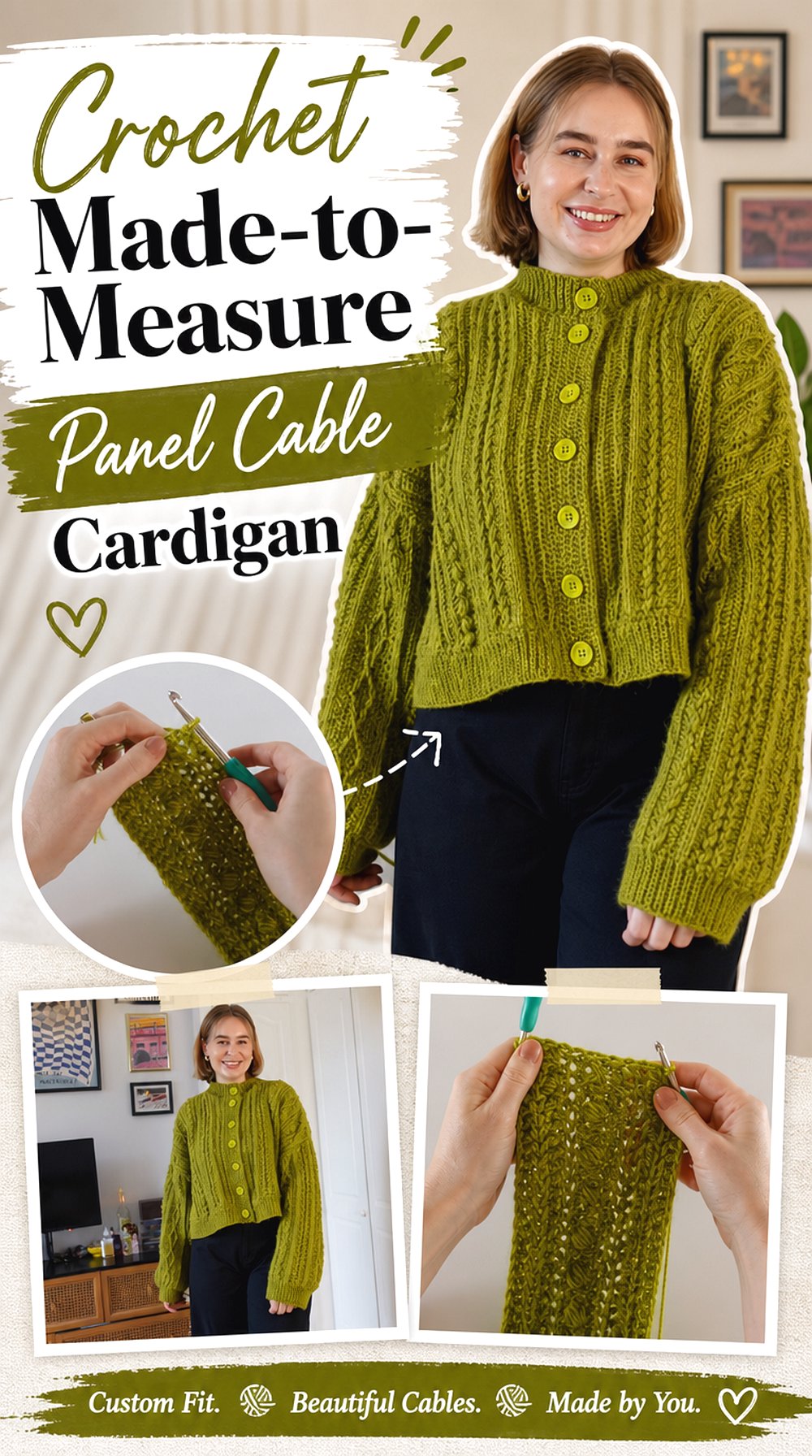
SAVEThis cardigan uses a panel-based approach with cable panels, ribbed puff panels, and twisted stitch panels joined into the body and sleeves. The finished look is more modular and textured than a plain open cardigan, and the button-front format makes it different from the closed pullovers in this list. Because it is made to measure, it may appeal to readers who want more control over width, length, and fit rather than choosing only from fixed garment sizes.
Panel Layout Controls the Final Shape
The panel method matters because each strip affects the cardigan’s width and overall balance. Before starting, readers should understand how many panels they need and how the different textures sit next to each other. This is especially important for a cardigan, where the two fronts, sleeve width, and body length need to feel intentional.
Button Placement Deserves an Early Look
A button-front cardigan needs more planning than an open-front layer. The available source information includes buttonholes and finishing details, so readers should check how the front band is handled before buying buttons or choosing a final length. Button spacing can affect how the cardigan hangs and how much overlap the front edges have.
Creator: Katie Joslin
3. Crochet Cable Cardigan with Flower Detail
 SAVE
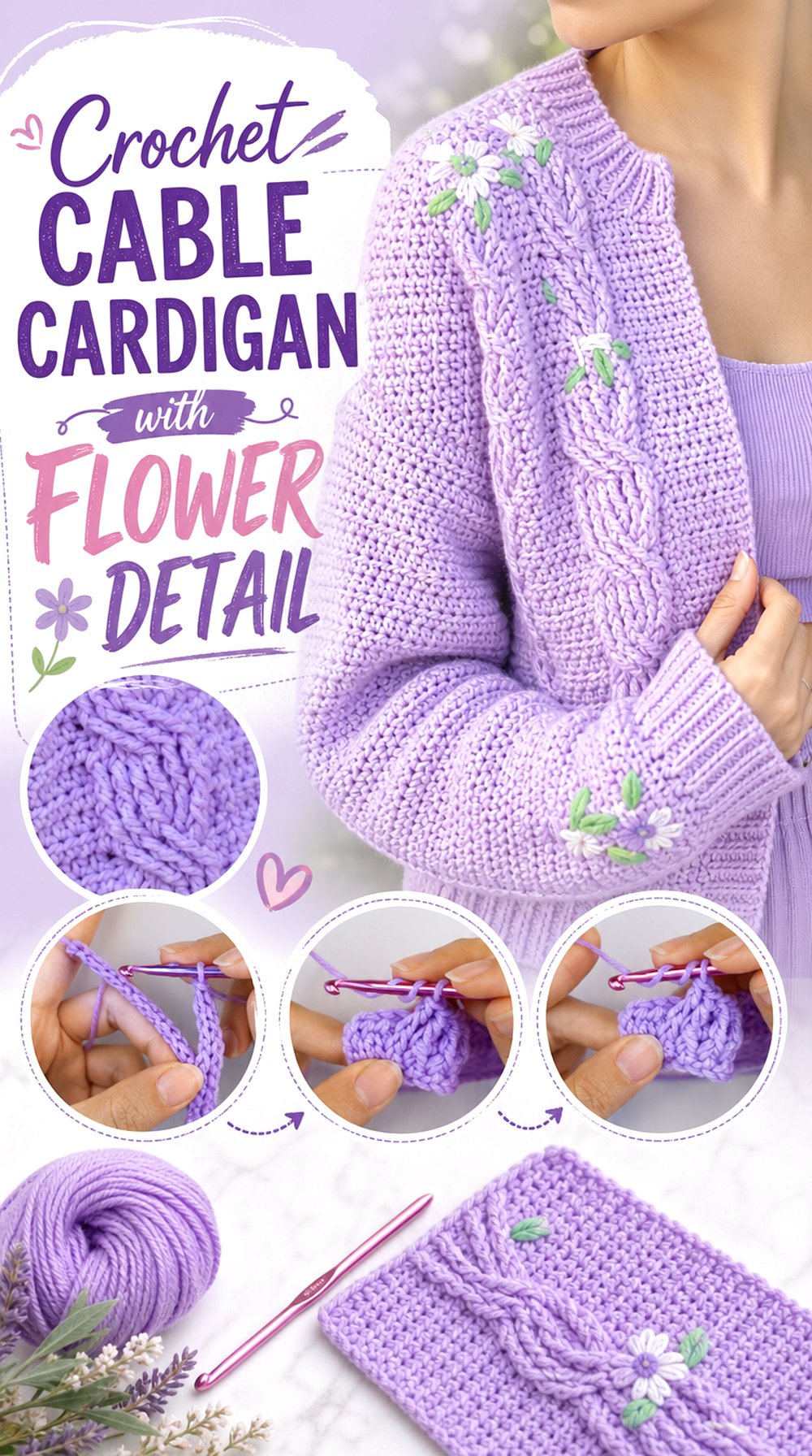
SAVEThis cable cardigan has a recognizable fashion-inspired shape, with a full cardigan body, long sleeves, ribbed edges, and an added embroidered flower detail. The flower finish makes it visually different from the more traditional cable-only sweaters in this collection. It may suit readers who want a cable cardigan that includes a decorative final accent rather than relying only on texture for interest.
The Decorative Detail Changes the Look
The flower embroidery gives this cardigan a softer, more playful finish. Readers who prefer a classic cable sweater may want to decide whether they would keep the floral accent, adjust its placement, or leave the cardigan plain. The important point is to use the creator’s original tutorial for the intended design rather than guessing at the finishing details.
Front, Back, and Sleeve Sections Need Reviewing
The source separates the cardigan into major garment areas, including front, back, sleeves, connection, ribbing, neckline, and embroidery. That kind of structure is useful for readers who like to understand the full path before starting. Watching the full guide first can help avoid treating the decorative finish as separate from the garment fit.
Creator: Chenda DIY
4. Crochet Straightforward Cable Pullover Sweater
 SAVE
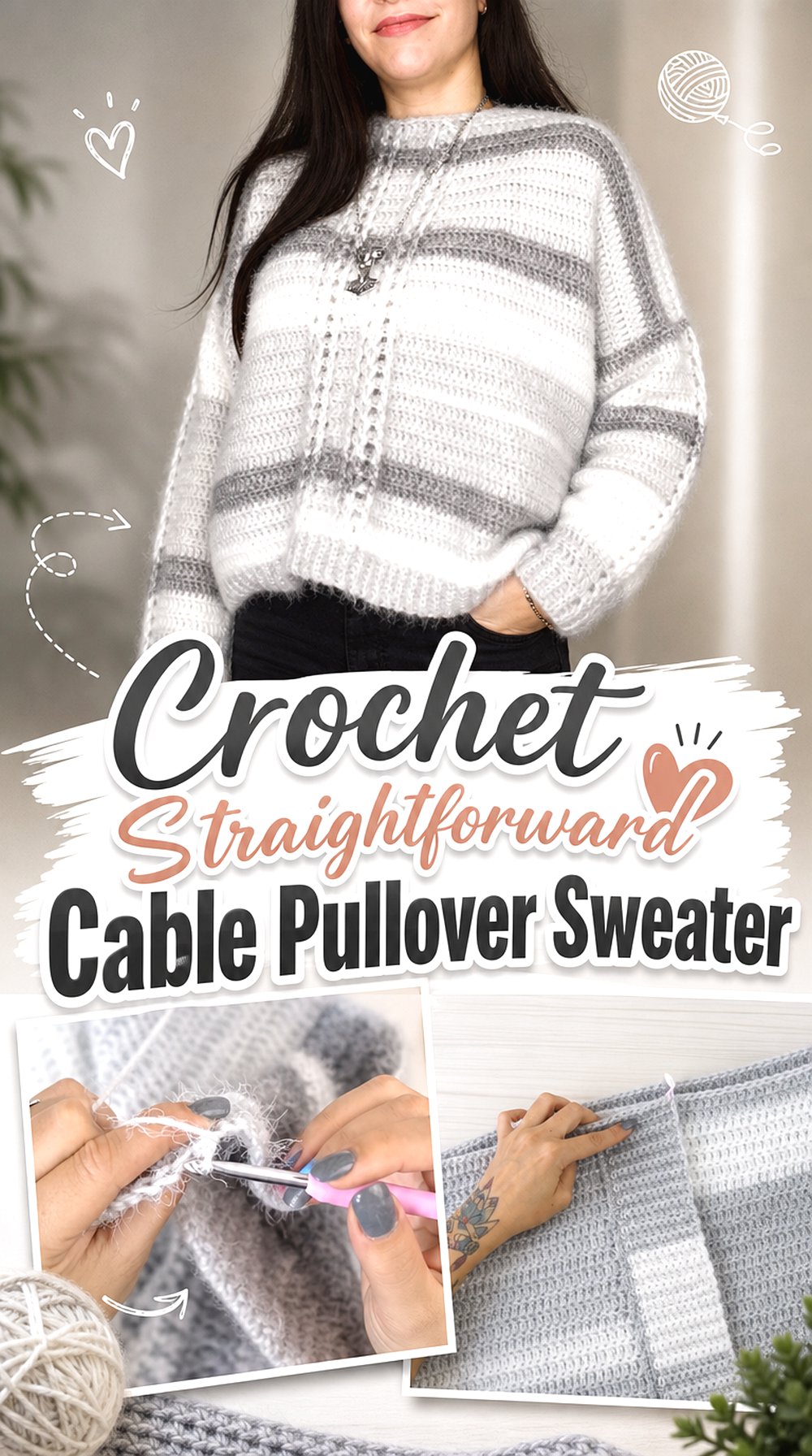
SAVEThis pullover keeps the focus on a wearable sweater shape with cable texture rather than extra closures or decorative add-ons. The finished project appears more direct than the buttoned and panel-heavy cardigans in this article, making it a good comparison point for readers who want a cable sweater but do not want a highly styled neckline or cardigan front. The source lists a simple materials setup, so the main reader decision is whether the finished pullover shape matches their wardrobe needs.
A Closed Pullover Keeps the Shape Simple
Because this is a pullover, there are no button bands, front openings, or cardigan edges to plan. That can make the finished look cleaner, but it also means the neckline and body fit need to be right. Readers should check how the sweater is shown on the body and whether the finished shape gives the amount of ease they prefer.
Material Information Should Be Verified First
The creator gives materials in the source description, including yarn and hook information. Readers should still review the full material list before buying supplies, especially if substituting yarn. Cable texture can look very different when the yarn weight, drape, or stitch definition changes.
Creator: Crochet Maniak
5. Crochet Top Down Cable Pullover Sweater
 SAVE
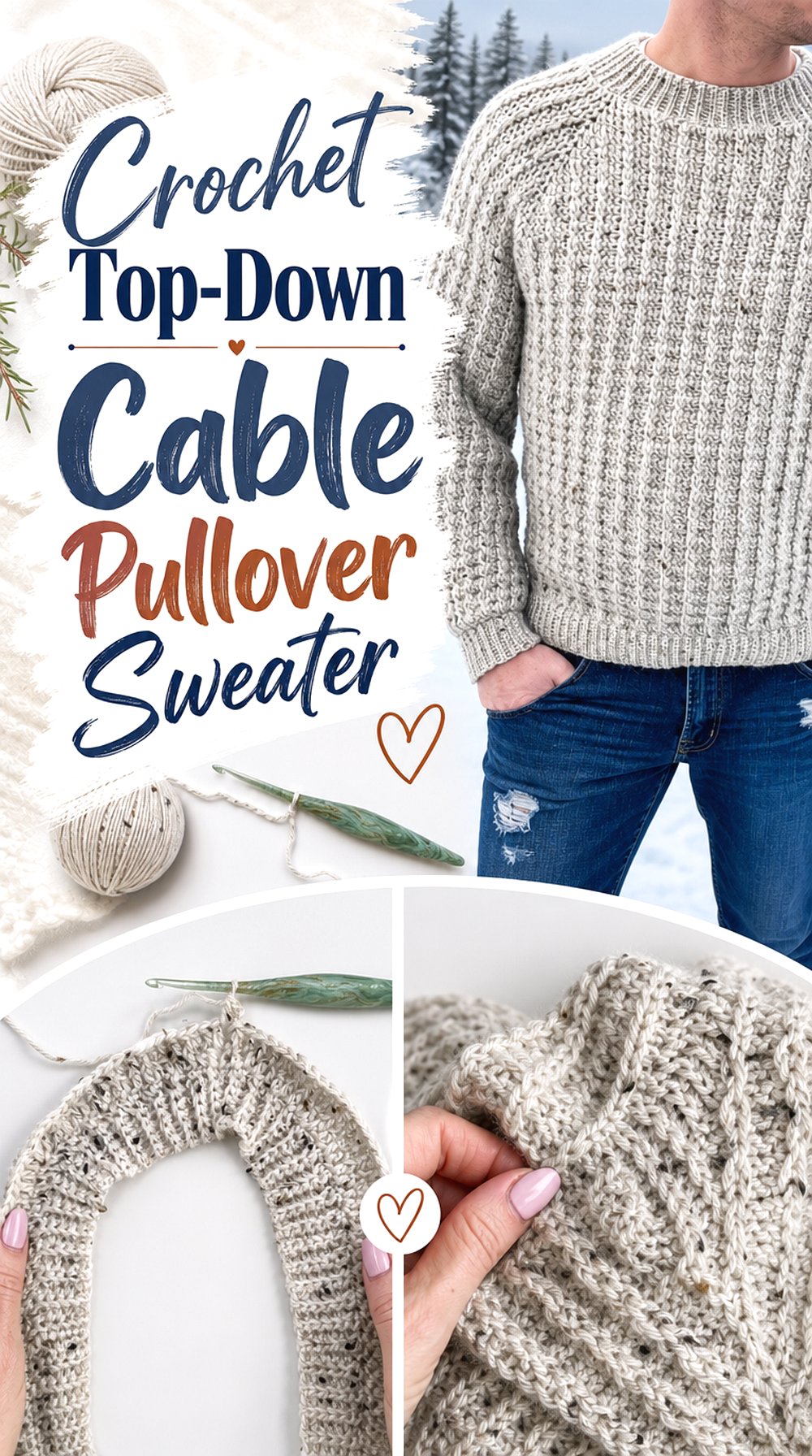
SAVEThis pullover stands out because it uses a top-down raglan style with a textured cable pattern. That makes it different from the panel sweaters and seamed cardigans in the list. The source describes a wide size range and a unisex direction, so this option may suit readers who want a cable sweater with more inclusive sizing information and a construction style that begins at the top rather than from separate body panels.
Top-Down Construction Changes the Fit Checks
A top-down sweater asks readers to watch the yoke, underarm, body, and sleeve transitions carefully. The advantage is that the fit conversation starts early, especially around the neckline and shoulders. Readers should review the size chart, gauge notes, and shaping information before relying on the finished sweater for a specific wearer.
The Cable Texture Is More Allover Than Decorative
The two-stitch cable design creates a continuous textured surface rather than a single center feature. That makes yarn choice and stitch definition important. A yarn with too much visual noise may hide the cable pattern, while a clearer yarn can help the raised texture remain visible across the body and sleeves.
Creator: MJ’s Off The Hook Designs
6. Crochet Braided Cable Cardigan Sweater
 SAVE
SAVEThis cardigan has a strong braided-cable appearance and a size range listed from S-M through 4XL-5XL in the source. The open cardigan format makes it more flexible as a layering piece than a closed pullover, while the repeated cable effect gives the surface a bold texture. It is a useful option for readers who like visible cable columns and want a cardigan shape with a clear written pattern linked by the creator.
The Braided Texture Is the Feature to Preserve
The visual appeal comes from the raised braided look, so readers should keep checking that the cable columns are forming clearly. This is not a subtle texture. A smooth yarn in a color that shows shadows well may make the design easier to read, but any substitution should be compared with the creator’s gauge and material notes.
Size Notes Matter More Than Color
The source gives several size groupings and material amounts, which is helpful for planning. Readers should choose based on measurements and preferred cardigan ease rather than only liking the sample color. For a cardigan, the front opening, sleeve width, and body length can all affect how often the finished piece will actually be worn.
Creator: Hey Carrie
7. Crochet Soft Cabled Pullover Sweater
 SAVE
SAVEThis pullover focuses on a cozy, textured cable look using a soft, drapey yarn direction from the source. It is different from the sharper, panel-style sweaters because the finished fabric is meant to have a softer presence. The tutorial is connected to a named pullover pattern, so readers who like using a video beside a written pattern may want to review both before starting.
Soft Yarn Can Affect Cable Definition
A softer yarn can make a sweater comfortable-looking, but it can also soften the edges of the cable texture. Readers should decide whether they want a plush surface or crisp cables. This project is best approached by checking the sample fabric closely and comparing it with the yarn suggested by the creator.
Written Pattern Support Is Worth Reviewing
The source points readers to a downloadable pullover pattern, so the video is not the only piece of guidance. That can be useful for a garment, because sizing, shaping, and material details are easier to reference in writing. Readers who prefer video-only instruction should check whether the linked written material is needed for their size.
Creator: Yarnspirations
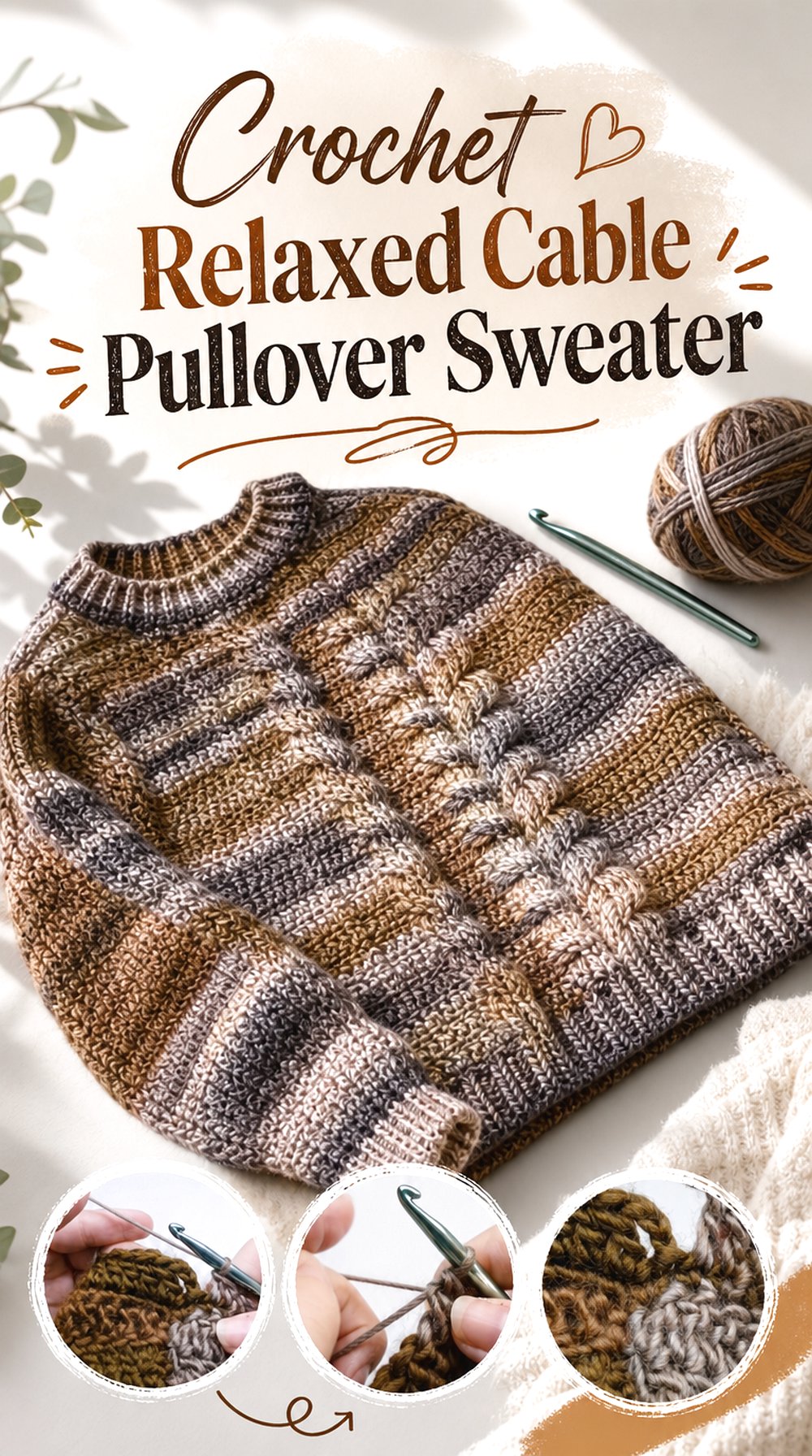
8. Crochet Relaxed Cable Pullover Sweater
 SAVE
SAVEThis Bag-O-Day pullover offers a casual cable sweater option with a relaxed finished feel. It differs from the top-down raglan and cardigan designs because the focus is on a wearable pullover shape with a direct tutorial format. The source includes written-pattern information and notes about sizing corrections, so readers should check the description carefully before following along.
Description Notes Should Not Be Skipped
The source description includes important extra notes, including a sleeve-round correction and size-related information. That makes the description part of the preparation, not an optional extra. Readers should read it fully before starting so they do not rely only on the spoken or visual sections of the video.
A Relaxed Pullover Still Needs Measurement Checks
Even when a sweater looks casual, the bust width, sleeve length, and neckline still decide how useful it will be. Readers should compare the listed size notes with the intended wearer and avoid assuming that a relaxed style will automatically fit the way they want.
Creator: Bag-O-Day Crochet
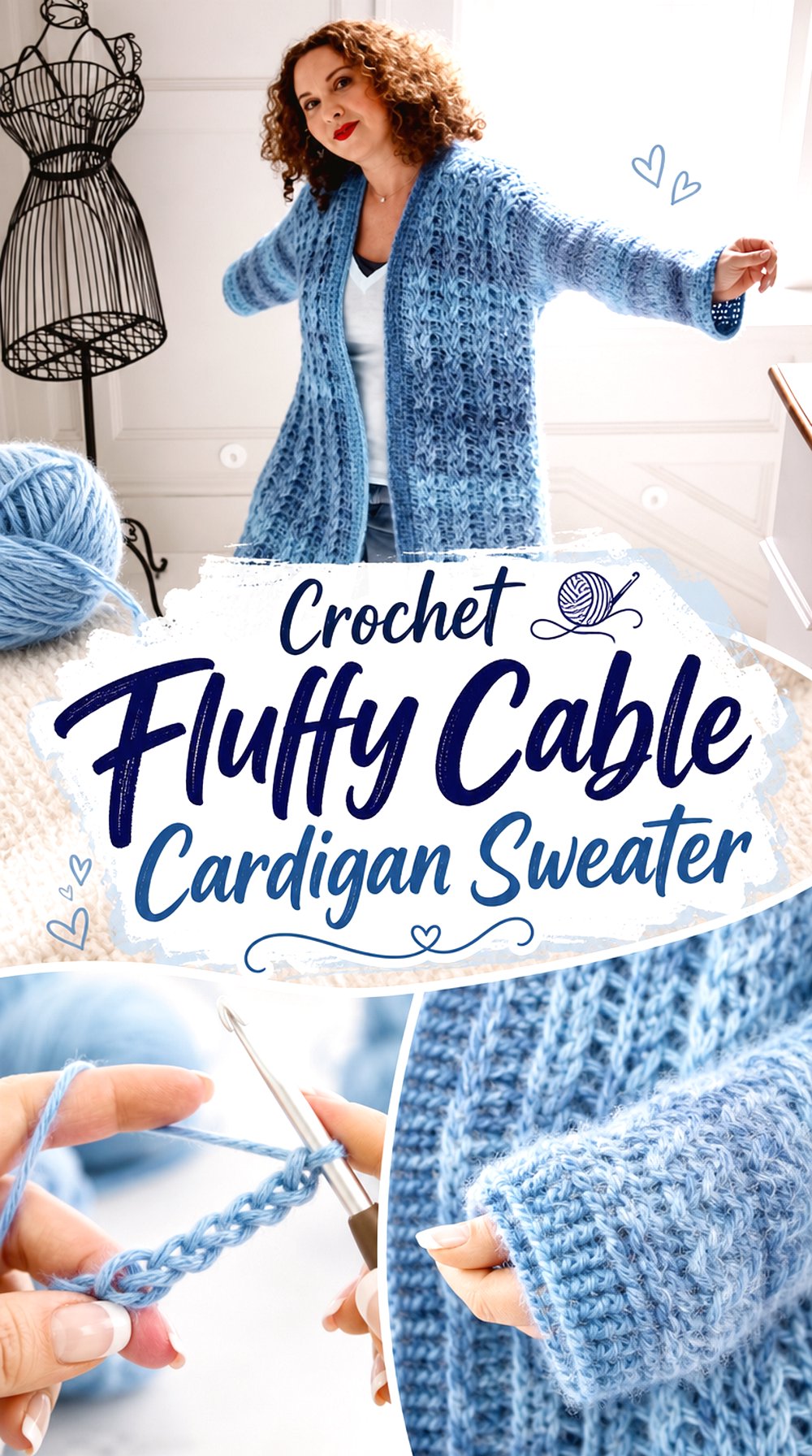
9. Crochet Fluffy Cable Cardigan Sweater
 SAVE
SAVEThis cardigan has a fluffier, softer visual texture than the cleaner cable pullovers in the list. The source discusses yarn choices used for sample versions, including a bulkier option and a medium-weight option, which makes the final look especially dependent on yarn selection. It is a good fit for readers who want a cable cardigan with a more cushioned appearance and a less minimal surface.
Yarn Weight Changes the Cardigan Mood
Because the source mentions different yarn weights for sample versions, readers should not assume every yarn will create the same cardigan feel. A bulkier yarn can emphasize softness and volume, while a lighter option may change the drape and texture. The safest approach is to follow the creator’s material information closely or swatch before committing.
Larger Size Information May Need Extra Verification
The source notes that larger sizes were expected on the creator’s blog, so readers should verify current sizing support before choosing this project for a specific fit. That is especially important for a cardigan, where body width and sleeve size need to be comfortable over other clothing.
Creator: Annoo and The Unruly Stitch
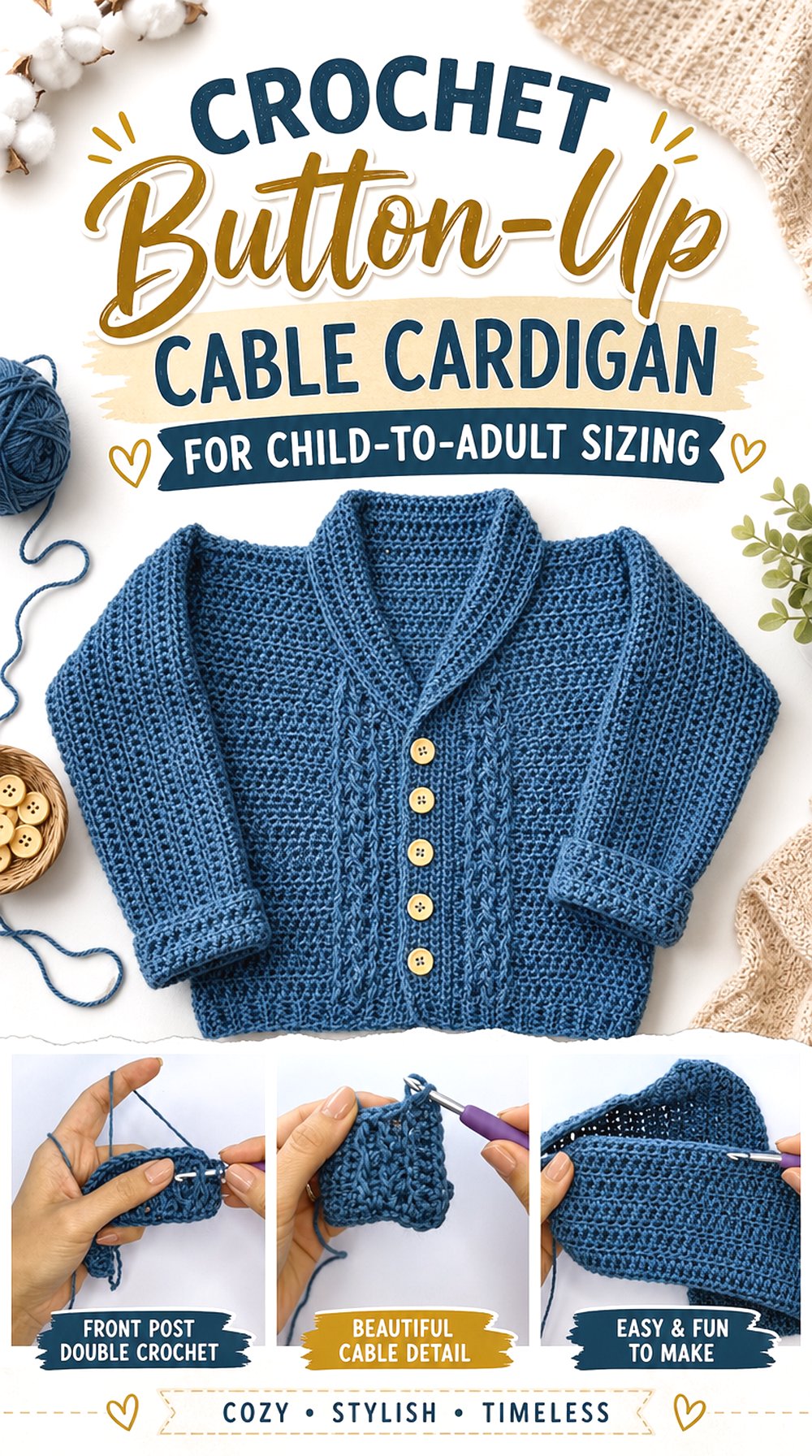
10. Crochet Button Up Cable Cardigan for Child to Adult Sizing
 SAVE
SAVEThis button-up cable cardigan is useful for readers who want one design direction that includes child and adult sizing in the written support. The video sample is worked in a child size, while the written pattern information covers a broader range. That makes it different from the adult-only sweater examples and from the child pullover later in the list.
The Video Sample and Size Range Are Not the Same
The creator notes that the video is worked in size 4T, while the written pattern covers sizes from 2T to adult 5XL. Readers making an adult size should rely on the written sizing details rather than copying the visual proportions of the sample. This distinction matters because sleeve length, body width, and button placement will change by size.
Buttons Add a Practical Planning Step
A button-up cardigan needs button choice, spacing, and buttonhole placement to work together. The tutorial includes buttonholes near the end, so readers should have the buttons selected before that stage. Choosing buttons too late can affect the front edge and may change how securely the cardigan closes.
Creator: TheKnottyLace
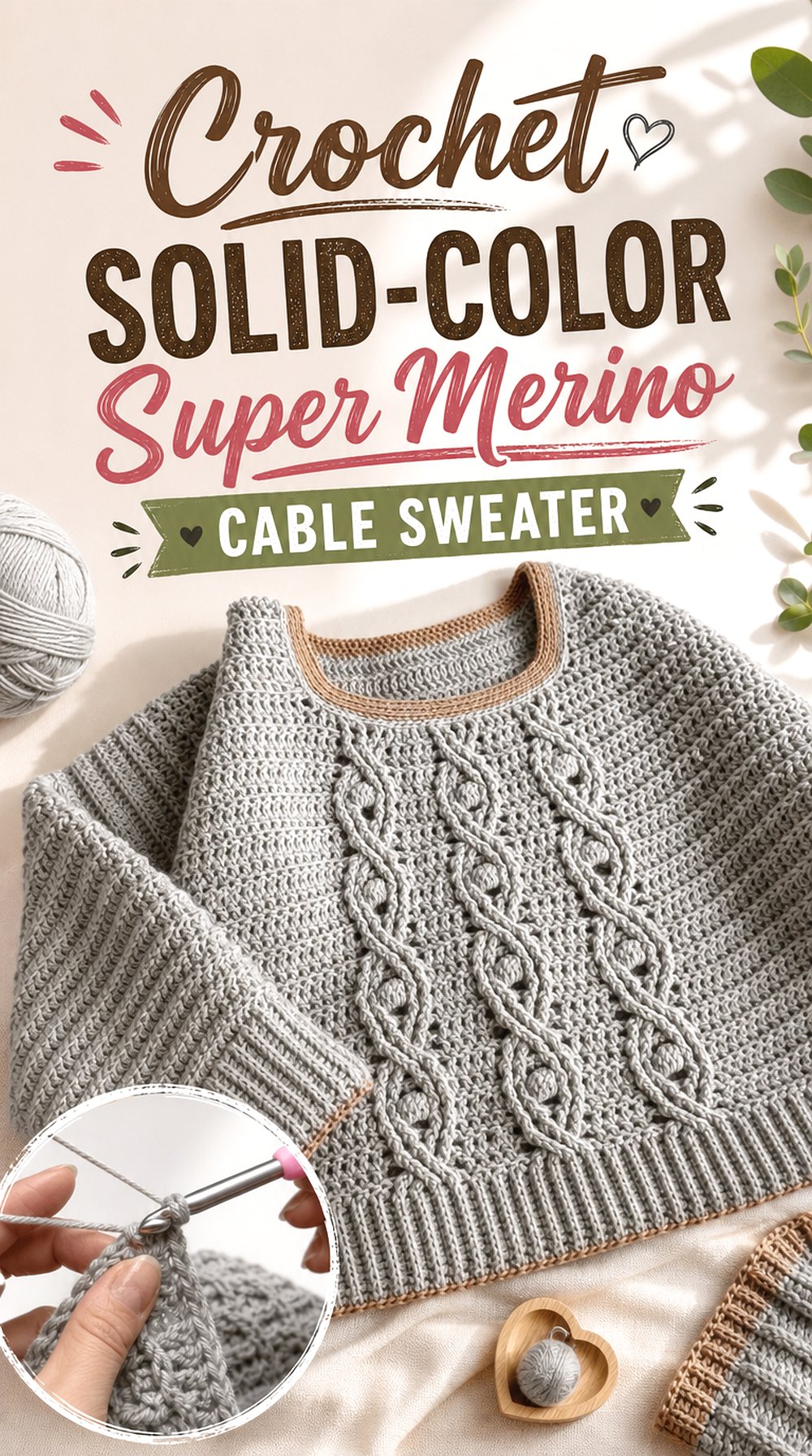
11. Crochet Solid Color Super Merino Cable Sweater
 SAVE
SAVEThis sweater uses a solid-color cable design with clear front texture, sleeve shaping, neckline shaping, and finishing sections. The source describes a separate-piece construction, which makes it different from top-down or made-to-measure styles. It may appeal to readers who like a classic pullover with the cable detail concentrated where it can be seen clearly.
Solid Color Helps the Cable Pattern Show
The source recommends a solid-color direction for the finished look, and that makes sense for raised cable texture. Strong variegation or very dark colors can make cables harder to see. Readers who want the stitch pattern to stand out should choose yarn with enough stitch definition and contrast from shadow to highlight.
Language and Subtitle Needs Should Be Checked
The source is connected to Krampolinka’s crochet tutorial format, and the related blog notes English subtitles. Readers who need spoken English throughout should preview the teaching format first. For a full sweater, comfort with the language, subtitles, and visual pacing matters as much as liking the finished garment.
Creator: Krampolinka Crochet Designer and Free Patterns
12. Crochet Oversized Cable Turtleneck Sweater
 SAVE
SAVEThis oversized turtleneck is the strongest high-neck option in the collection. The cable texture, relaxed body, and tall neckline create a different silhouette from the mock neck pullover and the open cardigans. The source notes that it can be made in any size using shoulder-to-shoulder measurements, so this project is especially measurement-focused.
Shoulder Measurement Leads the Fit
The creator specifically points to shoulder-to-shoulder measurement, which means readers should not skip measuring before starting. For an oversized sweater, the shoulder width affects the whole look: too narrow can reduce the relaxed effect, while too wide may create more drop than intended. It is worth comparing the intended fit with a sweater that already feels comfortable.
The Turtleneck Adds Bulk Near the Face
A tall neckline can make a sweater feel visually heavier than a crew neck or cardigan. Readers should decide whether they like that covered look before choosing this project. It may also affect hair styling, layering, and how the sweater sits under outerwear, so the neckline should be considered part of the main design rather than an afterthought.
Creator: AC Crochets
13. Crochet Child Cable Pullover Sweater
 SAVE
SAVEThis child-size cable pullover gives the list a smaller garment option instead of another adult cardigan or pullover. The source is for ages 1–5 years and is presented as a two-part project, with Part 1 linking to Part 2. It is a better choice for readers looking for a small sweater with cable detail than for those who want an adult wardrobe piece.
The Age Range Should Be Matched Carefully
The source names a 1–5 years range, but children’s measurements can vary a lot. Readers should compare the tutorial and any linked charts or photos with the child’s actual body measurements before starting. Age alone is not enough when the finished garment needs to fit over shirts and allow movement.
Use Both Parts Before Starting
Because this project is split into more than one video, readers should open the linked second part before committing. That helps confirm the full construction, finishing, and any extra notes. A child sweater may be smaller than an adult one, but it still needs careful neckline, sleeve, and body checks.
Creator: Simona Crochet
How to Choose Between These Crochet Cable Sweater Ideas
Choose a closed pullover if you want the cable texture to feel like part of one clean garment shape. The mock neck, relaxed pullover, soft cabled pullover, solid-color pullover, and oversized turtleneck all fit that direction, but the neckline changes the final effect. Choose a cardigan if you want layering flexibility, buttons, or an open front. The made-to-measure, braided, fluffy, flower-detail, and button-up cardigans each handle the front edge differently. For sizing confidence, look first at the tutorials with clear size ranges or made-to-measure guidance. For smaller projects, the child pullover and child-to-adult button-up cardigan give a different scale from the adult sweater options.
Conclusion
These crochet cable sweater ideas cover more than one kind of textured garment. The TCDDIY and AC Crochets options focus on strong pullover silhouettes, while Katie Joslin, Chenda DIY, Hey Carrie, Annoo, and TheKnottyLace offer cardigan choices with different front finishes. MJ’s Off The Hook Designs gives a top-down cable direction, and Simona Crochet adds a child-size option. Before choosing, compare neckline, size support, construction style, and whether the cable texture is allover or placed as an accent. Use the original tutorials for exact construction details, counts, shaping, and finishing.
FAQs
What should I check before starting a crochet cable sweater?
Start with sizing, gauge, yarn weight, and construction style. Cable sweaters can be made from panels, top-down yokes, or made-to-measure pieces, and each format needs different preparation. For any wearable, compare the creator’s measurements or size notes with the intended wearer instead of choosing only by the sample photo.
Are crochet cable sweaters usually better in solid colors?
Solid colors often make raised cable texture easier to see because shadows and stitch definition are clearer. A heavily variegated yarn may hide the cable pattern. That does not mean color changes are impossible, but readers should swatch first and look at the fabric from a normal wearing distance before committing to a full sweater.
How do I choose between a cable pullover and a cable cardigan?
Choose a pullover for a cleaner closed shape, especially if the neckline and cable placement are the main style points. Choose a cardigan if you want an open front, buttons, or easier layering. Cardigans also bring extra decisions, such as front bands, buttonholes, and how the edges hang.
Can I resize a crochet cable sweater from a YouTube tutorial?
Only resize when the creator provides made-to-measure guidance, a size chart, or clear adjustment notes. Cable sections can affect stitch multiples and shaping, so guessing may distort the texture. For fixed-size tutorials, check whether the creator links a written pattern or gives measurements before trying to adapt the sweater.
Should beginners start with a full crochet cable sweater?
A full cable sweater is a larger commitment than a scarf, hat, or swatch. Readers new to cables may want to practice the cable stitch first, then choose a tutorial with clear close-ups and strong sizing notes. A simpler pullover shape may feel more manageable than a heavily textured cardigan with buttons and multiple panels.
Can finished crochet cable sweaters from these tutorials be sold?
Do not assume selling is allowed. Each creator may have different pattern terms, licensing rules, or requirements for finished items. Before selling any sweater made from a YouTube tutorial, check the video description, linked written pattern, shop terms, and local business rules. Credit alone does not automatically give permission.