Filet crochet gives a tote two jobs at once: the fabric has to function as a bag, while its open-and-filled grid also creates the design. That makes motif placement, yarn definition, handle support, and the openness of the mesh more important than they may appear in a finished photo.
These 18 ideas cover flat market bags, floral and heart motifs, graphic text, seasonal designs, shoulder-tote proportions, and expandable mesh constructions. Most of the featured tutorials specifically use filet crochet. The final three use closely related open-mesh constructions and are clearly labeled as filet-style alternatives, making them useful if you care more about an airy tote structure than a picture worked into the grid. Each source is an original YouTube tutorial from a different channel.
Quick List
- Crochet Classic Flat Filet Market Tote
- Crochet Sunflower Filet Tote
- Crochet Statement-Text Filet Tote
- Crochet Flower-Panel Filet Shoulder Tote
- Crochet Christmas Motif Filet Tote
- Crochet Center-Heart Filet Tote
- Crochet Pixel Heart Filet Tote
- Crochet Paris Heart Filet Tote
- Crochet Floral Designer-Inspired Filet Tote
- Crochet Cotton Filet Handbag Tote
- Crochet Rose Filet Tote
- Crochet Repeating-Hearts Filet Tote
- Crochet Graphic Filet Net Tote
- Crochet Butterfly Filet Market Tote
- Crochet Simple Filet Market Tote
- Crochet Adjustable Mesh Filet-Style Tote
- Crochet Beach Mesh Filet-Style Tote
- Crochet C2C Mesh Filet-Style Market Tote
Plan the Filet Grid Before You Commit to the Tote Shape
Filet crochet uses a grid of open and filled areas to form geometric or pictorial designs, so the motif and the bag panel cannot really be planned separately. A tall, narrow image may read well on a slim shoulder tote but feel lost on a broad market bag. A wide flower or butterfly needs enough uninterrupted panel space to remain recognizable.
When adapting one design to another bag, compare the finished or blocked grid dimensions rather than relying only on the number of chart squares. Seams, side folds, edging, and handle attachments can all occupy visual space. Keep the most recognizable part of a motif away from areas that will curve sharply or disappear into a side seam.
Yarn, Openness, and Lining Change How the Tote Functions
An open filet grid gives the design its negative space, but that openness also affects what the tote can realistically contain. Smaller loose objects can work through large openings, while a fabric lining adds containment and changes the way the crocheted shell hangs. General crochet-bag guidance also recommends considering lining when a more contained or reinforced interior is wanted.
Before substituting yarn, make a small sample of the open and filled sections. Look at stitch definition, how much the grid stretches, and whether the motif stays legible after the sample relaxes. A yarn that produces a very soft fabric can be attractive for a slouchier shoulder bag, while a clearer grid may matter more when the picture is the main feature.
Think About the Handles Before the Bag Is Loaded
The body of a filet tote may be mostly openwork, but the handles carry concentrated stress. Long crocheted straps can also change length under load depending on the fiber, stitch structure, and construction. That is why handle design deserves a separate decision instead of being treated as a decorative finishing detail.
Check whether the chosen tutorial uses integrated handles, crocheted straps, or attached handles, and decide whether that approach suits the contents you expect to carry. For a bag intended to hold more than lightweight personal items, consider whether a less stretchy strap concept, reinforcement, or lining would be appropriate. Do not assume a tutorial demonstrates a particular carrying capacity unless the creator specifically states it.
1. Crochet Classic Flat Filet Market Tote
 SAVE
SAVEThis classic filet market tote is a useful starting point when you want the grid itself to define the bag rather than a complicated silhouette. The tutorial presents a flat market-bag form, allowing the open and filled spaces to remain easy to read across the main panels.
Compared with the more pictorial flower, butterfly, and text designs later in this list, this option puts less visual pressure on one central image. That makes it a practical reference for understanding how filet fabric behaves at tote scale before choosing a more detailed chart.
A Flat Panel Keeps Grid Distortion Easier to Judge
A relatively flat front gives you a clearer view of whether the mesh cells stay even. If you alter the width or choose a different yarn, lay the unfinished panel flat periodically and look for sections that are becoming noticeably wider, narrower, or skewed.
This matters because irregular grid proportions become especially visible in filet. Correcting tension differences while the panel is still flat is easier than discovering them after the sides and handles have been finished.
Decide How Open You Want a Market Bag to Be
An airy market tote can expand around larger items, but very open fabric provides less containment for small objects. Decide what “market bag” means for your own use before changing the mesh.
If you expect to carry loose keys, small cosmetics, or similarly compact items, an inner pouch or lining may be more practical than trying to make every part of the filet fabric denser.
Creator: Sirin’s Crochet
2. Crochet Sunflower Filet Tote
 SAVE
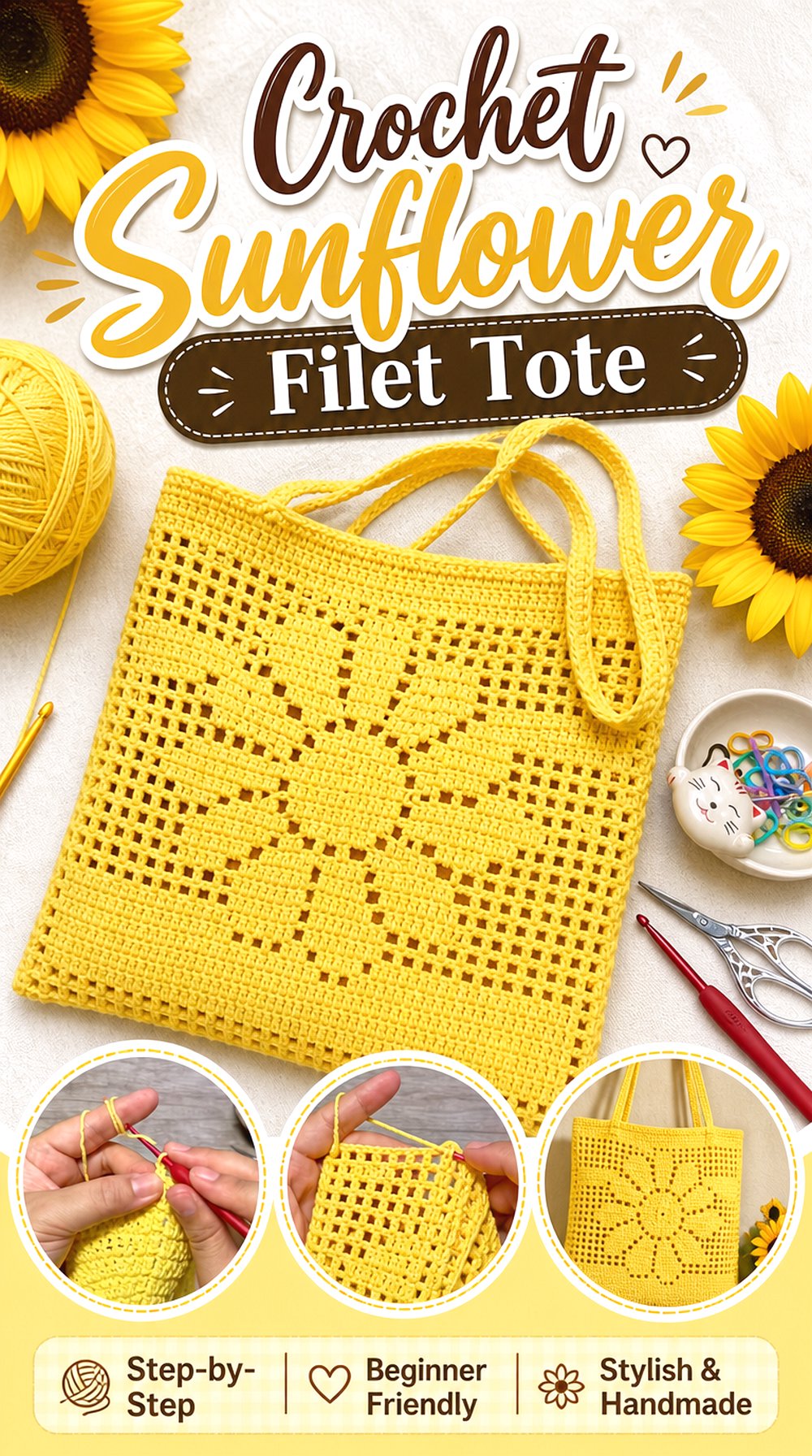
SAVEA sunflower gives filet crochet a strong focal point because the filled cells can define the bloom while the surrounding open grid remains light. August Craft & Crochet’s tutorial is specifically presented as a sunflower-pattern crochet tote using filet crochet.
This idea works well when you want the bag to read as a picture first and openwork second. Unlike an all-over geometric mesh, the visual success depends heavily on keeping the flower proportionate and recognizable. Consider the amount of plain grid around the motif as part of the design rather than unused space.
Give the Sunflower Enough Breathing Room
A large motif needs a border of relatively quiet fabric around it so the outline does not collide visually with the side seams, top edge, or handles. If you adapt the design to another tote shape, establish the usable front-panel area before deciding where the flower belongs.
Centering is not mandatory, but any offset should look intentional once the bag is filled and the panel starts to curve.
High Contrast Helps the Grid Do Its Job
Filet imagery depends on the difference between open and filled areas rather than multiple yarn colors. Before committing to a fiber substitution, hold a sample against both light and dark backgrounds.
If the open spaces visually disappear because of fuzzy fibers or an extremely loose gauge, the sunflower may lose definition even though the stitch work itself is correct.
Watch the Upper Motif Near Handle Attachments
Handle bases can interrupt an otherwise clean panel. If you modify the proportions, check whether any important petals or upper details would land directly under a handle join.
Keeping structural attachments outside the most detailed portion of the motif helps both elements do their jobs without competing for the same area.
Creator: August Craft & Crochet
3. Crochet Statement Text Filet Tote
 SAVE
SAVEFilet crochet can create lettering as effectively as pictures, and this tote uses that strength for a deliberately graphic result. Whistle and Ivy Modern Crochet’s tutorial is titled “Snarky Crochet Tote – Filet Crochet Bag – Crochet Tutorial,” making it a useful reference for a tote where words become the central design feature.
A text tote differs from floral filet because even a small distortion can affect readability. Letter spacing, surrounding blank grid, and the way the panel folds around the body all influence whether the message can be read quickly.
Lettering Needs More Margin Than You Might Expect
Avoid squeezing text right against a side edge simply to fit a phrase. When a soft tote curves, the outer columns can turn away from the viewer and make the beginning or end of a word disappear.
If you adapt the concept to different wording, first decide how much of the front remains reasonably flat in use and treat that area as your real design canvas.
Check Readability From Several Feet Away
Filet lettering can look obvious when the fabric is directly in front of you yet become ambiguous at normal viewing distance. After the main text area develops, hang or prop the panel upright and view it from farther away.
If letters blend together, the issue may be proportion, surrounding negative space, or stitch definition rather than an incorrect stitch.
Creator: Whistle and Ivy Modern Crochet
4. Crochet Flower Panel Filet Shoulder Tote
 SAVE
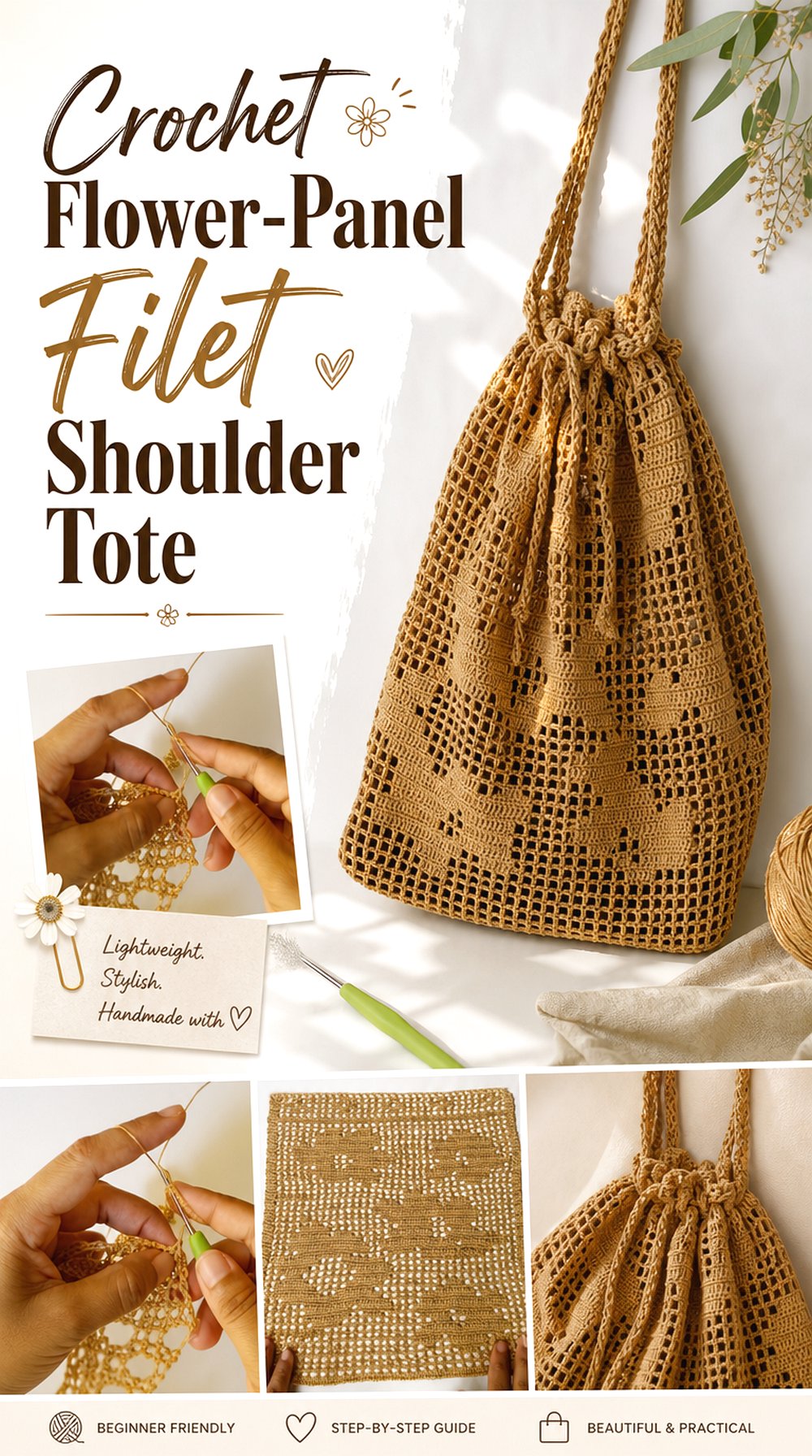
SAVEIma’s flower filet tutorial shifts the concept toward a shoulder-bag silhouette rather than a broad grocery-style market bag. The source is explicitly a flower filet crochet shoulder bag, making it a useful option for readers who want open-grid decoration in a more fashion-focused proportion.
The narrower shape changes the design problem. Instead of filling a wide front with a large motif, you need to consider how the flower works with the vertical body, opening, and shoulder carry. It is a good contrast to the flatter and wider totes elsewhere in the list.
A Narrower Panel Favors Vertical Motifs
When adapting a flower to a shoulder-tote format, compare its height with the usable panel height as well as its width. A motif can technically fit a grid and still feel cramped if it nearly touches both the bottom and opening.
Leaving visual space above and below the flower makes the finished bag feel less crowded and gives the grid room to remain recognizable.
Shoulder Carry Changes How the Front Is Seen
A shoulder bag naturally curves against the body, so the front panel will not always be viewed perfectly flat. Keep the most identifiable portion of the flower toward the central area rather than placing it close to the side edge.
If motif visibility matters more than slouch, also consider whether your yarn choice preserves enough body to keep the front from collapsing inward.
Creator: Ima
5. Crochet Christmas Motif Filet Tote
 SAVE
SAVEA seasonal filet tote turns the open grid into decoration without requiring appliqués to be attached afterward. Totally Fierce Crochet & Knooking offers a dedicated Christmas filet crochet tote tutorial, giving this idea a clear holiday use rather than treating it as a standard everyday mesh bag in different colors.
Because seasonal designs are often recognizable silhouettes or symbols, motif clarity matters. The project also makes sense as reusable gift packaging or seasonal carrying decor, provided the openness of the filet fabric suits whatever will be placed inside.
Seasonal Motifs Need to Read Without Extra Decoration
Before adding embellishments, look at the filet image by itself. A strong grid motif should remain identifiable from its open-and-filled structure.
If you customize the design with additional colors, ribbons, or charms, keep them away from critical edges of the picture so the main holiday image remains the first thing the eye recognizes.
Consider Storage After the Holiday Is Over
A soft filet tote can usually be stored more compactly than a rigid bag, but long handles and decorative additions can tangle or crease. Before adding dimensional trims, decide whether the bag needs to fold flat between seasons.
A simpler surface may be more practical if the tote will spend most of the year stored with other holiday textiles.
Creator: Totally Fierce Crochet & Knooking
6. Crochet Center Heart Filet Tote
 SAVE
SAVEA single heart placed prominently on the bag front creates a cleaner, more minimal effect than an all-over heart repeat. Ellie Stoten’s channel lists a “Filet Heart Tote Beginner Crochet Tutorial,” providing a direct source for this centered-motif approach.
This is a useful choice if you like pictorial filet but do not want the entire panel filled with imagery. The surrounding open grid becomes important because it frames the heart. It also gives you a simple way to study whether your tension keeps both the motif and its background cells proportionate.
A Single Heart Makes Placement Obvious
With one focal image, even a small horizontal shift can be noticeable. Before committing to an adapted panel width, identify the true center of the usable front rather than the full circumference of the bag.
Side seams, folds, or gussets may reduce the portion that reads visually as “front,” so calculate placement from the finished shape you intend to create.
Keep the Heart Clear of the Bottom Fold
A motif placed too low can disappear as the bag fills and the bottom rounds outward. When changing the bag height, reserve enough uninterrupted space beneath the heart that its lower point stays visible.
This is especially relevant if you add a wider base or turn a flat tote concept into a bag with more depth.
Creator: Ellie Stoten
7. Crochet Pixel Heart Filet Tote
 SAVE
SAVEThe “Heart pixel tote” from inta crochet emphasizes the graph-like character of filet crochet. Rather than softening the design into a lace-like floral image, the motif reads as intentionally pixelated, which suits the square logic of the filet grid.
This approach is worth considering if you like bold graphics or want to experiment with other simple pixel-style silhouettes later. Straightforward block shapes can be easier to evaluate visually because every open or filled cell has an obvious role in the image.
Pixel Shapes Expose Uneven Grid Cells
A graphic heart relies on rows and columns looking consistent. If some open cells become much wider than others, the intentional pixel shape can start looking accidental.
Pause during the panel and compare several neighboring grid spaces. You are looking for general consistency, not mathematical perfection, but large changes are easier to correct before the entire image is finished.
Use the Grid as the Design Language
Trying to make a pixel heart look too rounded can work against the technique. Letting the stepped edges remain visible gives the motif its character and separates this project from the smoother-looking heart ideas.
For adaptations, choose images that remain recognizable when simplified into a limited number of square cells rather than forcing a highly detailed picture into too small a grid.
Creator: inta crochet
8. Crochet Paris Heart Filet Tote
 SAVE
SAVEChic DIY’s “CHIC PARIS BAG” uses a net-stitch bag concept with a heart motif created through filet crochet, giving the heart idea a different overall silhouette and styling direction from the centered and pixel-heart totes above.
The appeal here is the relationship between motif and bag shape. Rather than treating the heart as an isolated chart exercise, think about how its scale balances the opening and handles. If you prefer a lighter, fashion-oriented bag rather than a broad produce tote, this is a useful construction to compare.
Balance the Heart Against the Bag’s Negative Space
A smaller motif can feel intentional when the surrounding mesh is proportioned well. If you resize the concept, do not automatically enlarge the heart at the same rate as the bag.
Sometimes preserving more plain filet around the motif gives the design a cleaner focal point and prevents the front panel from becoming visually dense.
Small Contents May Need Their Own Containment
A fashion tote can still have highly open sections. If the bag is intended for small everyday essentials, decide whether you want a lining, removable pouch, or separate organizer.
That decision is functional rather than decorative: changing the open filet itself may alter the visual balance that made you choose this particular design.
Creator: Chic DIY
9. Crochet Floral Designer Inspired Filet Tote
 SAVE
SAVEMaison Saint Bonnet’s tutorial explicitly presents a designer-inspired filet crochet bag, making this a useful reference when you want a more refined floral-grid look rather than a conventional grocery tote. The inspiration is aesthetic; the finished crochet project should still be evaluated on its own materials, proportions, and construction.
The filet pattern gives the bag surface detail without relying on separate sewn-on flowers. This option stands out for readers who want the openwork to feel integrated into an everyday handbag rather than mainly functional market mesh.
Crisp Floral Cells Matter More Than Brand-Like Styling
The most transferable lesson is the relationship between the flower and its surrounding grid, not the designer reference in the video title. If you substitute yarn, prioritize whether the floral cells remain distinct when the fabric hangs vertically.
A very fuzzy or elastic fabric may produce a softer bag, but it can also make a detailed floral grid harder to read.
Let the Handle Style Match the Body
A compact floral body can look visually top-heavy if the handles become much bulkier than the filet panel. When customizing, compare handle width and stiffness with the weight of the crochet fabric before attaching anything permanently.
The aim is not a universal proportion; it is a handle that supports the bag without overpowering its main design.
Creator: Maison Saint Bonnet
10. Crochet Cotton Filet Handbag Tote
 SAVE
SAVEAniela em’s tutorial focuses on a cotton crochet handbag, providing another way to interpret filet in a compact fashion-bag format instead of a large shopping tote. The video is listed on the creator’s channel and associated YouTube results under “Miu Miu Cotton Crochet Handbag l tutorial + PDF pattern.”
The useful comparison here is scale. A smaller handbag makes the openwork decorative, but it also reduces the amount of uninterrupted panel area available for a large image. This favors a balanced repeat or smaller floral treatment rather than an oversized central motif.
Compact Panels Leave Less Room for Corrections
On a large market tote, one extra band of plain mesh may be visually minor. On a smaller handbag, adding height or width can noticeably change the entire proportion.
If you adapt the idea, evaluate the silhouette after each major section rather than assuming adjustments that work on a large tote will scale down neatly.
Cotton Still Needs a Swatch for Your Exact Fabric
The tutorial title identifies the project as a cotton handbag, but cotton yarns vary in twist, thickness, finish, and drape. Instead of choosing a substitute based only on fiber name, crochet enough open and filled cells to see how the actual yarn behaves.
That small check can tell you more about motif definition and flexibility than the label alone.
Creator: aniela em
11. Crochet Rose Filet Tote
 SAVE
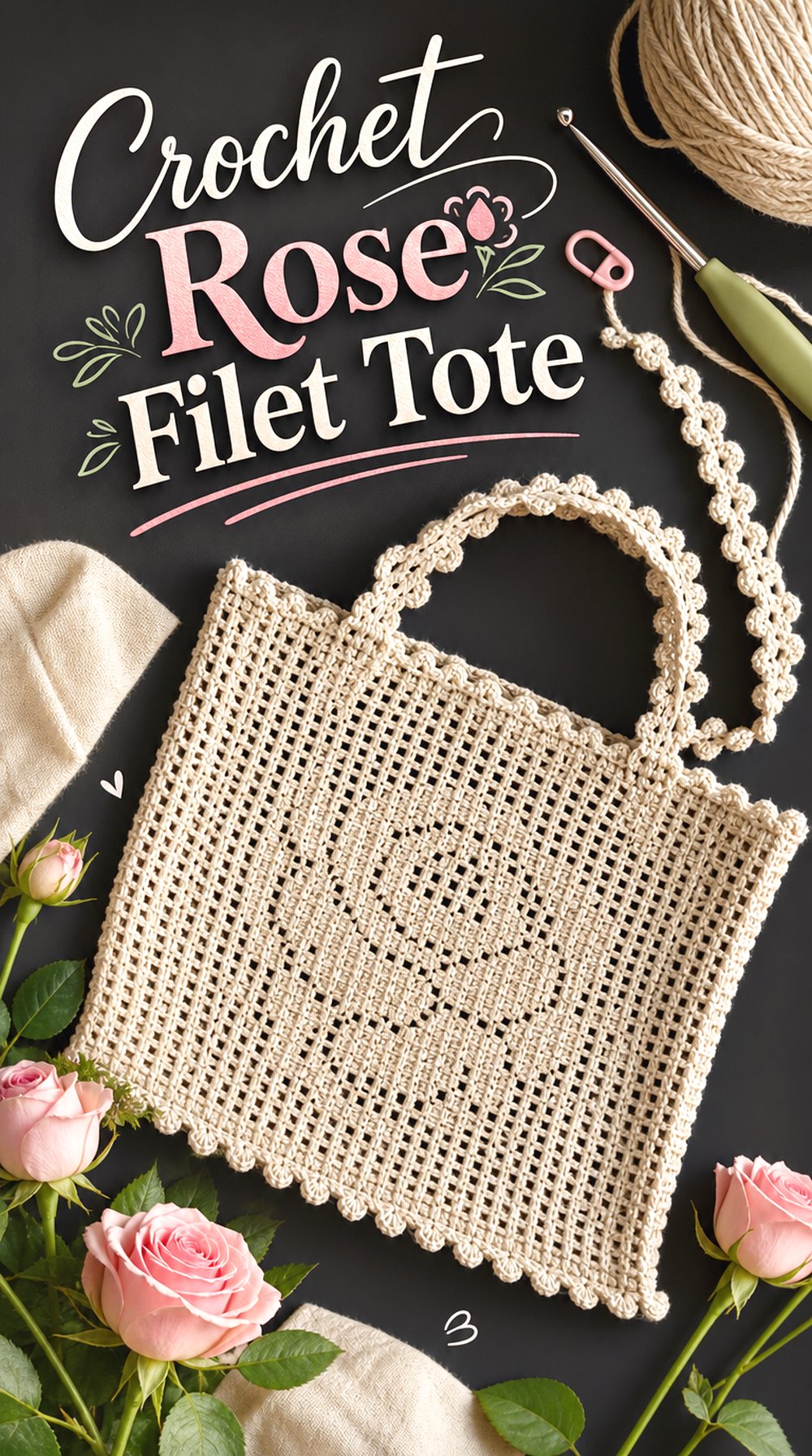
SAVEA rose works especially well as a statement filet motif because its curves can be interpreted through a clear block grid while still reading as botanical. Crochet People’s channel lists a rose bag specifically described as fillet crochet and designer-inspired, giving this project a distinct floral identity from the simpler sunflower and general flower-panel options.
Choose this direction when you want a more intricate image to dominate the front. The main planning challenge is giving the flower sufficient scale without letting the densest filled sections make one part of the panel feel disproportionately heavy.
Detailed Roses Benefit From an Uncluttered Background
A rose contains more internal visual changes than a simple heart. Surrounding it with a relatively calm filet field helps petals and leaves remain separate rather than merging into the bag edges.
If you adapt the motif placement, leave the most detailed areas away from strong folds and attachments where the fabric is likely to bunch.
Look at the Motif With the Bag Upright
A flat panel can make a rose look perfectly proportioned even though gravity changes the appearance after assembly. Once enough of the bag is complete, hold the fabric in its intended vertical orientation.
That checkpoint reveals whether elongated mesh cells or fabric stretch are changing the apparent height of the flower before the entire project is finished.
Creator: Crochet People
12. Crochet Repeating Hearts Filet Tote
 SAVE
SAVECrochet Maniak’s hearts tote differs from a single-heart design by turning the charted heart theme into a repeated visual treatment. The public video is titled “🤍 ‘Hearts’ Crochet Tote Bag / Crochet Bag with Chart 🤍.”
Repeating motifs change the planning process because the spacing between images becomes part of the pattern. This type of bag suits readers who prefer an all-over graphic surface instead of one large central symbol. It can also make proportion changes more noticeable, since adding width may require you to reconsider how repeats end near each side.
Repeat Spacing Should Look Intentional at Both Edges
Before widening a repeating-heart tote, consider where the sequence will stop. A perfectly centered repeat in the middle does not guarantee balanced margins on both sides.
If adaptation creates an awkward partial motif near a seam, preserving the visual repeat may be more important than hitting an arbitrary finished width.
More Filled Cells Can Change the Feel of the Panel
A repeated motif may contain more solid crochet than a mostly open background with one heart. That can make different sections of a filet panel behave differently.
When substituting yarn, compare both a motif-dense area and an open-mesh area so you can see whether the two fabrics drape compatibly.
Creator: Crochet Maniak
13. Crochet Graphic Filet Net Tote
 SAVE
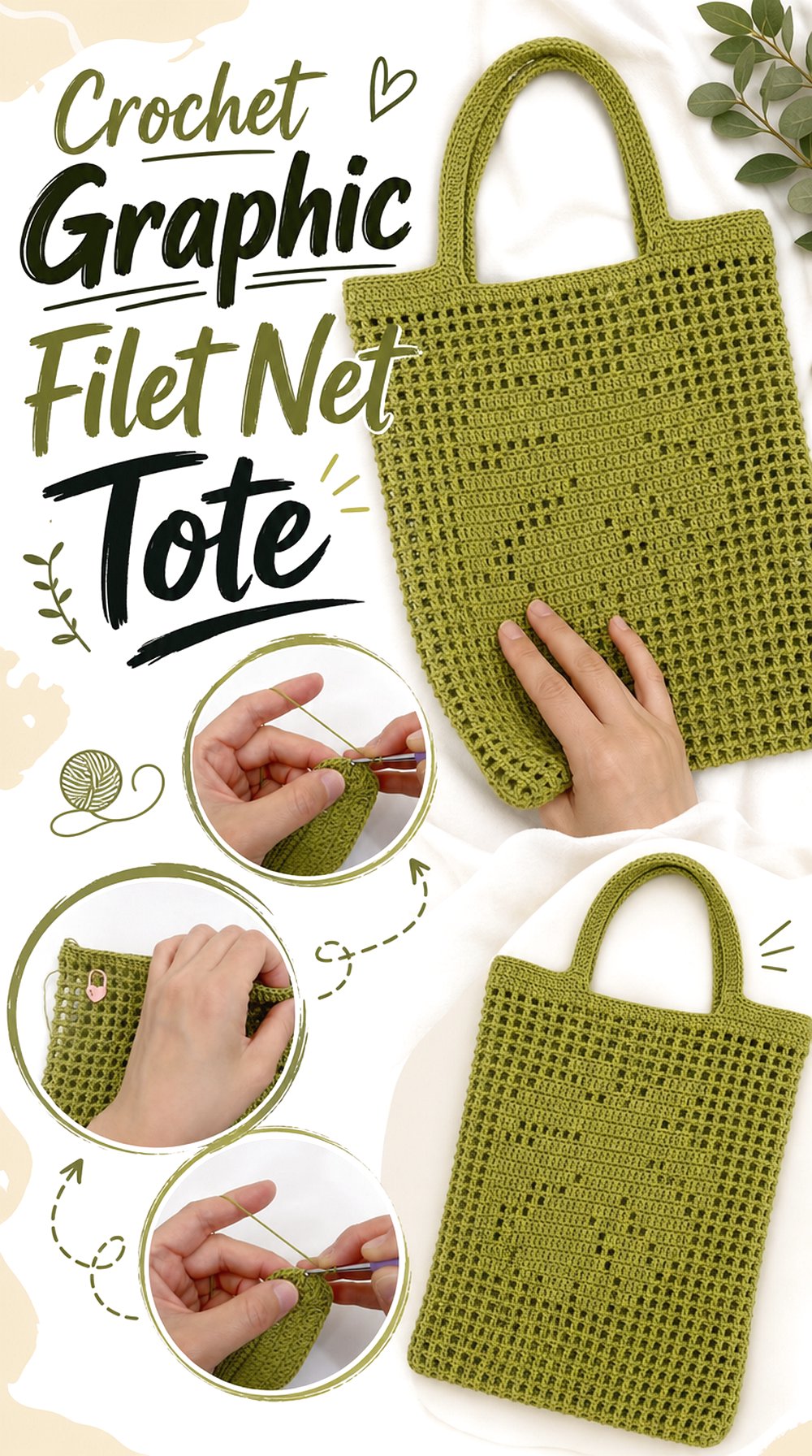
SAVEThe filet net-bag tutorial from 낭뜨 Nangtte offers a clean, graphic approach where the mesh itself is central to the finished object. The creator’s channel identifies a dedicated “Filet Crochet Net Bag Tutorial,” while the public watch result uses the Korean title “방안뜨기 네트백 코바늘 가방 Filet Crochet.”
This is a strong choice if you want the grid to feel architectural rather than delicate. Compared with a single flower or heart, the overall panel layout can take more of the visual responsibility, making it easier to imagine different graphic arrangements on the front and back.
Treat Each Side as Its Own Canvas
If you customize the concept, the front and back do not have to carry identical visual weight. One side could remain quieter while the other carries a more obvious grid motif, provided both panels end at compatible dimensions.
Measure or compare the finished panels before final joining so a difference in motif density does not accidentally create mismatched edges.
A Defined Base Helps an Open Body Feel Deliberate
Highly open panels can look shapeless if the transition to the lower portion is unclear. When assessing any filet net tote, notice how the bottom relates to the side fabric and whether that structure suits what you plan to carry.
If you alter the base, remember that extra depth can also shift part of the front motif underneath the bag.
Creator: 낭뜨 Nangtte
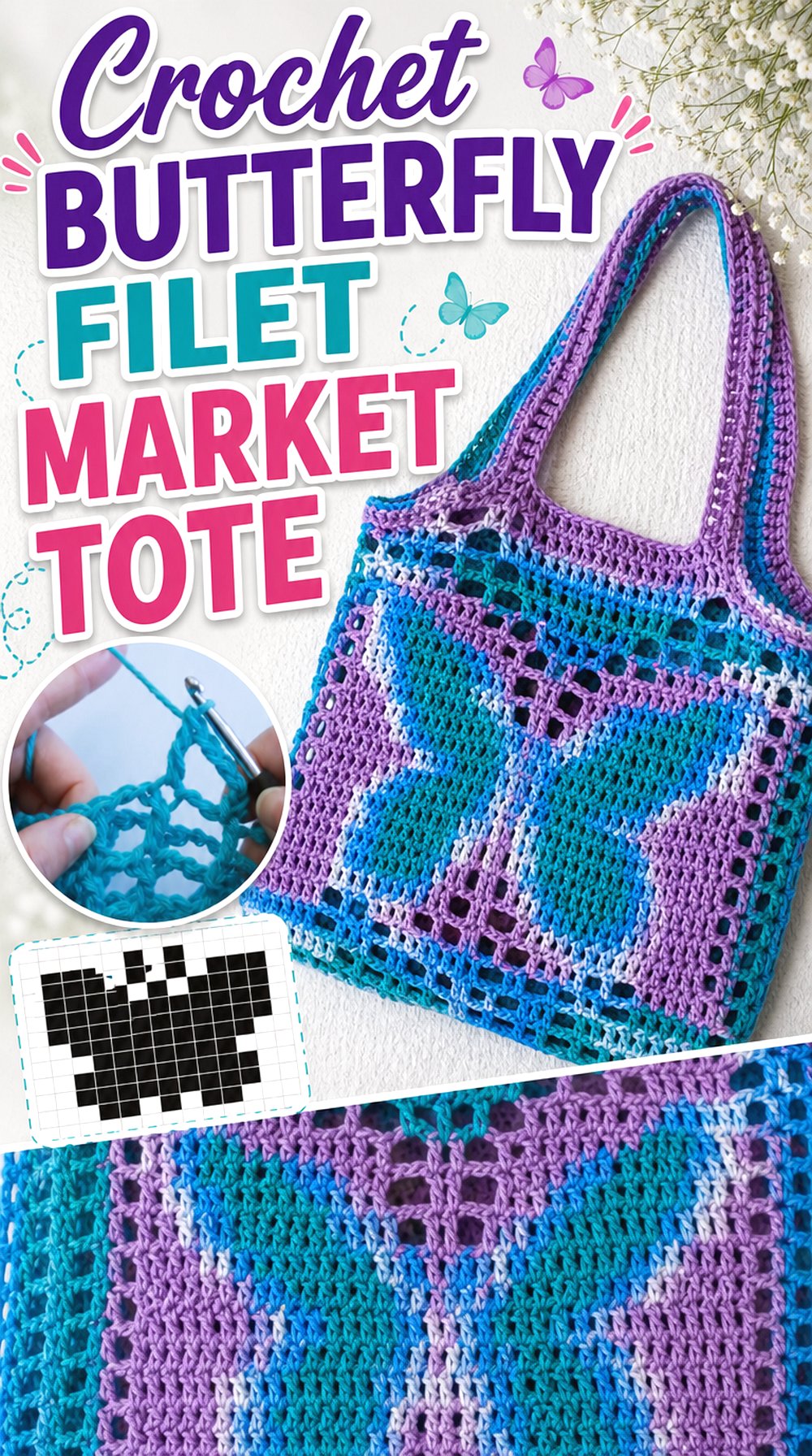
14. Crochet Butterfly Filet Market Tote
 SAVE
SAVEBitKnits’ butterfly market bag builds a recognizable image directly into the bag and then pairs it with a simple tote function. The video description specifically identifies it as a filet-crochet-style butterfly market bag, and YouTube results identify BitKnits as the creator.
A butterfly offers a different visual challenge from flowers and hearts because the image depends on bilateral balance. If one wing is distorted by tension or placed too close to a side fold, the asymmetry is easier to notice. This makes it a useful motif for checking grid consistency.
Use the Butterfly’s Centerline as a Placement Guide
Instead of judging the entire motif by eye, identify where its central body should sit on the front panel. That gives you a reliable reference for balancing the two wings.
If the tote width changes, add or remove surrounding background thoughtfully rather than shifting only one side of the motif.
Protect Wing Edges From Side Curves
Wide wings can occupy a substantial portion of a panel. If their outer edges sit too close to the sides, normal bag curvature can hide them and make the butterfly look narrower than intended.
Before final assembly, loosely shape the fabric into a tote and check how much of each wing remains visible from the front.
Creator: BitKnits
15. Crochet Simple Filet Market Tote
 SAVE
SAVECrochet, Garden, Repeat provides a dedicated filet crochet market-bag tutorial, making this project a useful contrast to the more illustration-heavy options. The public YouTube result identifies both the video and the channel as “Filet Crochet Market Bag Crochet, Garden, Repeat.”
This idea suits readers who enjoy the airy logic of filet without needing a large picture or phrase on the front. Because the design emphasis is quieter, you can pay more attention to practical factors such as overall opening, handle comfort, and how much the bag expands when filled.
Simple Mesh Makes Yarn Behavior Easier to See
Without a complicated motif competing for attention, changes in cell shape become easy to spot. If you are trying an unfamiliar yarn, this kind of tote provides a useful visual reference for whether the mesh tends to stretch vertically, horizontally, or remain relatively balanced.
Use that information before adapting a more detailed pictorial filet project with the same material.
Decide Whether You Want Expansion or a Neater Silhouette
A market tote that expands readily can accommodate irregular shapes, while a more stable bag keeps a tidier outline. Neither is automatically better.
Choose yarn, handle treatment, and any lining based on the behavior you actually want instead of attempting to make an open market bag function like a rigid handbag.
Creator: Crochet, Garden, Repeat
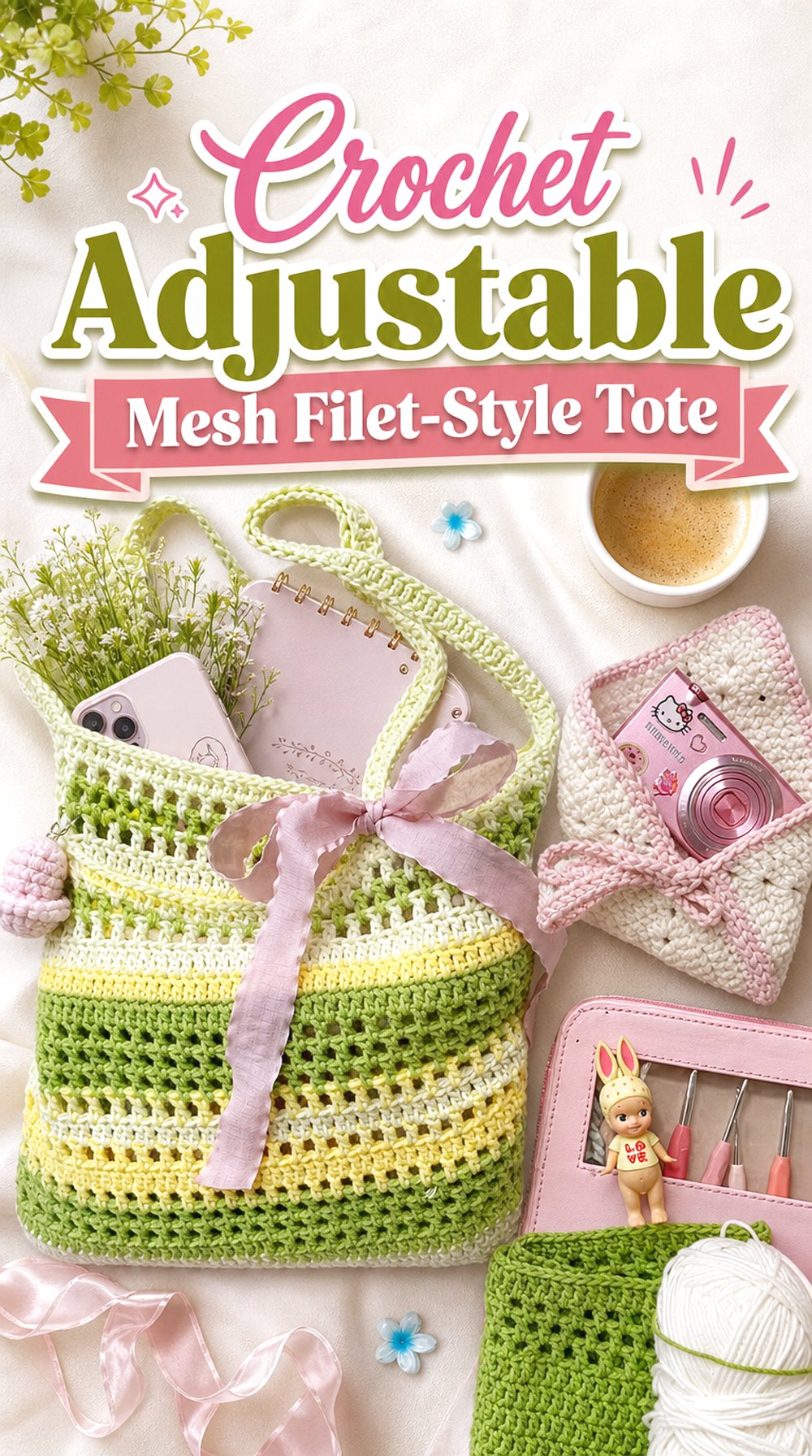
16. Crochet Adjustable Mesh Filet Style Tote
 SAVE
SAVEMahum’s mesh tote is included as a filet-style alternative rather than a pictorial filet project. The channel lists a full mesh-tote tutorial whose title specifically emphasizes that the size can be adjusted. Its all-over open structure makes it relevant for readers who like the negative-space look of filet but do not need filled cells to create a picture.
The result is visually lighter and more repetitive than a sunflower, rose, or text tote. That shifts the main decisions toward proportion, expansion, and handle placement instead of chart readability.
Adjustable Size Still Requires Proportion Checks
Making a tote wider or taller does not automatically mean every other feature should change at the same rate. Watch the relationship between body width, handle spacing, and overall height as you customize.
A very wide body paired with handles that remain close together can gather dramatically at the top, while an extremely tall mesh body may stretch more noticeably when loaded.
Open Mesh Rewards a Practical Contents Plan
Large repeated openings are part of this tote’s appearance, so making the fabric significantly denser would create a different bag. If small items are important, consider a removable pouch or lining rather than changing the entire visual character.
That lets you preserve the airy body while adapting the interior to your own use.
Creator: mahum 🎀
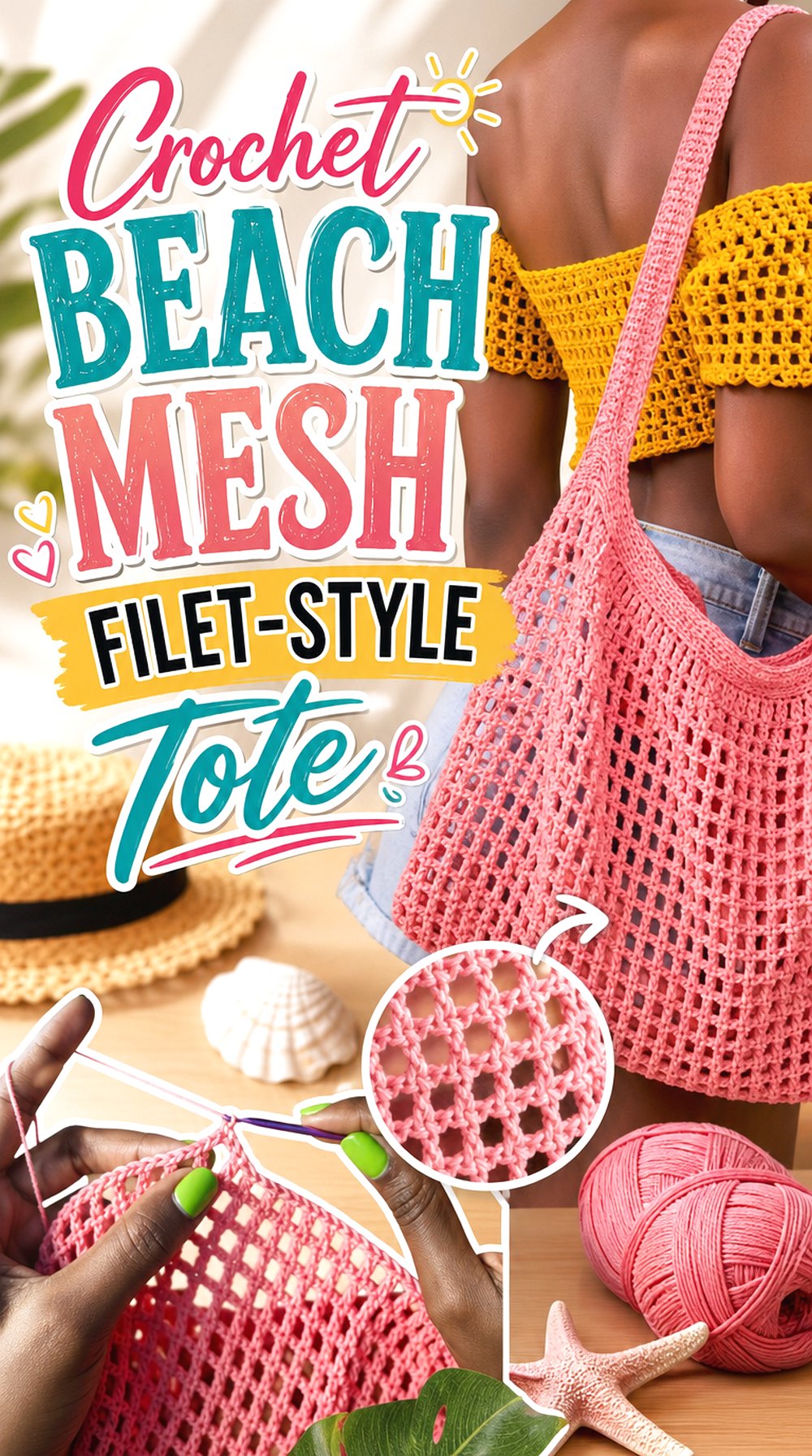
17. Crochet Beach Mesh Filet Style Tote
 SAVE
SAVEShylerCrochets’ mesh bag is another filet-style alternative, with the tutorial explicitly positioning the finished item for market or beach use. The visual emphasis is an open, practical mesh rather than filled filet cells forming an image.
That makes this project useful when ventilation and a light-looking bag matter more to you than a floral or geometric chart. It also provides a different use case from a compact handbag: beach items can be bulkier, so the relationship between opening, body expansion, and straps becomes especially noticeable.
Beach Use Makes the Opening More Important
A tote can have generous internal volume and still feel inconvenient if the top opening is narrow relative to the things you want to place inside. When adapting the width, evaluate the opening separately instead of judging capacity from the body alone.
A roomy opening is particularly useful when the intended contents are irregular rather than small, neatly packed objects.
Long Mesh Sections Can Change Shape Under Load
Open crochet has fewer solid stitches supporting each area of fabric, so check how the bag hangs with representative lightweight contents before deciding that you want an even longer body or strap.
If the silhouette stretches more than you prefer, changing the proportions or reinforcing the carrying area may be more effective than making the mesh itself much tighter.
Creator: ShylerCrochets
18. Crochet C2C Mesh Filet Style Market Tote
 SAVE
SAVENana’s Crafty Home takes open-grid bag construction in another direction with a corner-to-corner mesh market bag. The creator’s tutorial is titled “Crochet Mesh Market Bag Pattern C2C French Market Bag!” and the accompanying project page describes a C2C mesh construction.
This is a filet-style alternative, not a conventional filled-cell picture-filet project. Its value in this collection is construction variety: the mesh develops diagonally rather than behaving like a straightforward rectangular filet chart. Choose it when the structure of the open fabric interests you more than placing an image inside a regular grid.
Diagonal Construction Changes the Visual Direction
A C2C mesh naturally draws the eye across the fabric differently from horizontal rows of picture filet. If you want a calm, repetitive surface, that diagonal movement can become the design feature by itself.
It is less suitable as a direct substitute when your priority is following a conventional square filet chart, because the construction logic is different even though both produce open-grid fabric.
Attached Handles Can Change the Tote’s Character
This type of market bag also gives you an opportunity to compare crocheted straps with separate handle concepts. Nana’s Crafty Home’s project page discusses attached bag handles as part of its version.
If you substitute a different handle style, make sure the top edge is compatible with the way that handle distributes stress rather than treating hardware as a purely cosmetic change.
Creator: Nana’s Crafty Home
Which Crochet Filet Tote Style Should You Choose?
For a clear statement image, start with the sunflower, rose, butterfly, or one of the single-heart totes. Their open backgrounds give one motif room to dominate. If you prefer a more graphic surface, the statement-text, pixel-heart, and repeating-hearts versions make stronger use of the underlying square grid.
The shoulder-tote and designer-inspired floral options are better references when you want filet to behave like a fashion handbag rather than an expandable shopping bag. For the lightest-looking construction, compare the classic market tote with the simple filet market bag.
The final three mesh options are most useful when the open fabric itself matters more than a filled-cell motif. Mahum emphasizes adaptable mesh proportions, ShylerCrochets leans toward market or beach use, and Nana’s Crafty Home changes the construction direction with C2C mesh.
Conclusion
The right crochet filet tote depends on what you want the grid to accomplish. Choose a sunflower, rose, butterfly, or heart when motif recognition is the priority; choose text or repeating graphics when you want the whole panel to make a visual statement. A straightforward market tote gives more attention to expansion and practical carrying, while the smaller floral handbag shapes put proportion and stitch definition first.
Before changing any design, check the usable panel area, yarn behavior, handle support, and whether the openness suits your intended contents. The mesh alternatives are useful when an airy structure matters more than picture filet. Once you choose a direction, use the original tutorials linked above for the creator’s exact construction details.
Frequently Asked Questions
What is the difference between a filet tote and a regular crochet mesh tote?
Traditional filet crochet uses a planned grid of open and filled cells, often arranging those cells into geometric designs, lettering, or pictures. A regular mesh tote may use repeated open spaces without filled cells creating an image. Both can produce airy fabric, but they are not automatically the same technique. That is why the final three projects in this list are labeled filet-style mesh alternatives rather than presented as pictorial filet.
Should a crochet filet tote be lined?
A lining is optional and depends on how you intend to use the bag. Large open cells can allow small objects to work through the fabric, so lining can improve containment and may help the bag feel more finished inside. General crochet-bag guidance also identifies lining as an option when additional structure is wanted. Before adding one, remember that lining can reduce expansion and change the natural drape of an open filet tote.
Can I use a different filet motif with one of these tote constructions?
Potentially, but compare the new motif’s grid with the usable dimensions of the bag panel first. A chart that fits numerically may still place important details against a seam, bottom fold, or handle attachment. Work from the finished or blocked dimensions of your own fabric rather than assuming all chart squares produce a universal measurement. Keep enough plain grid around the design that the image can still be read when the bag curves in use.
Why does my filet motif look stretched after I turn it into a bag?
The grid can change appearance when the panel moves from a flat surface to a hanging, loaded bag. Yarn elasticity, stitch tension, bag weight, and the proportion of open versus filled cells can all affect how the fabric hangs. Check the panel vertically before final finishing and compare several cells around the motif. If you are substituting materials, a small sample containing both open and filled areas can reveal stretching before you commit to an entire tote.
How can I keep crochet tote handles from becoming the weak point?
Start by checking the construction used in the tutorial rather than assuming every handle can support the same use. Handle length, stitch structure, fiber, attachment area, and the contents placed in the bag can all affect stretching. If you expect more than lightweight use, consider whether a reinforced crocheted handle, a lining that supports the top edge, or an attached handle concept would suit the project. Avoid assigning a carrying-capacity figure unless the source specifically provides one.
Is cotton always the best yarn for a filet crochet tote?
No single fiber is automatically right for every filet bag. Cotton appears in some of the featured projects, including aniela em’s cotton handbag, but yarns with the same fiber content can still differ significantly in thickness, twist, elasticity, and finish. Choose based on the fabric you need. For a pictorial motif, check grid definition; for an expandable market tote, also check stretch and recovery; and for a compact handbag, consider whether the fabric holds the intended silhouette.