Crochet autumn leaf garlands can look soft and simple, detailed and botanical, or more playful when leaves are mixed with other fall motifs. This collection focuses on garland ideas that use leaf shapes in different ways, from continuous vines to maple leaves, oak leaves, and fuller fall display strands.
The projects below are useful for comparing shape, spacing, color planning, and display style before choosing a tutorial. Some garlands are meant for light room decor, while others are better suited to mantels, table settings, wreaths, or longer seasonal displays. Each idea links back to the original YouTube tutorial so readers can follow the creator’s exact instructions without replacing the source.
Quick List
- Crochet Autumn Leaf Garland With Table Decor Options
- Crochet Alternating Leaf Garland
- Crochet Simple Fall Leaf Garland
- Crochet No-Sew Leaf Vine Garland
- Crochet Small Room Decor Leaf Garland
- Crochet Maple Leaf Garland
- Crochet Larger Fall Leaf Garland
- Crochet Autumn Leaf, Acorn, and Pumpkin Garland
- Crochet Oak Leaf Garland for Mantels and Tables
What Changes the Look of an Autumn Leaf Garland
The biggest choice is not only color. Leaf shape, spacing, and how the leaves attach to the cord all change the finished display. A continuous vine style gives a softer trailing look, while separate maple or oak leaves can feel more like classic fall bunting. Larger leaves need more room across a mantel, stair rail, or table, while smaller repeating leaves can suit shelves, windows, and narrow wall spaces.
It also helps to check whether the tutorial focuses on the full garland or mainly on the leaf motif. When assembly details are limited, readers should confirm how the leaves are spaced, how the strand hangs, and whether the finished length fits the intended display area.
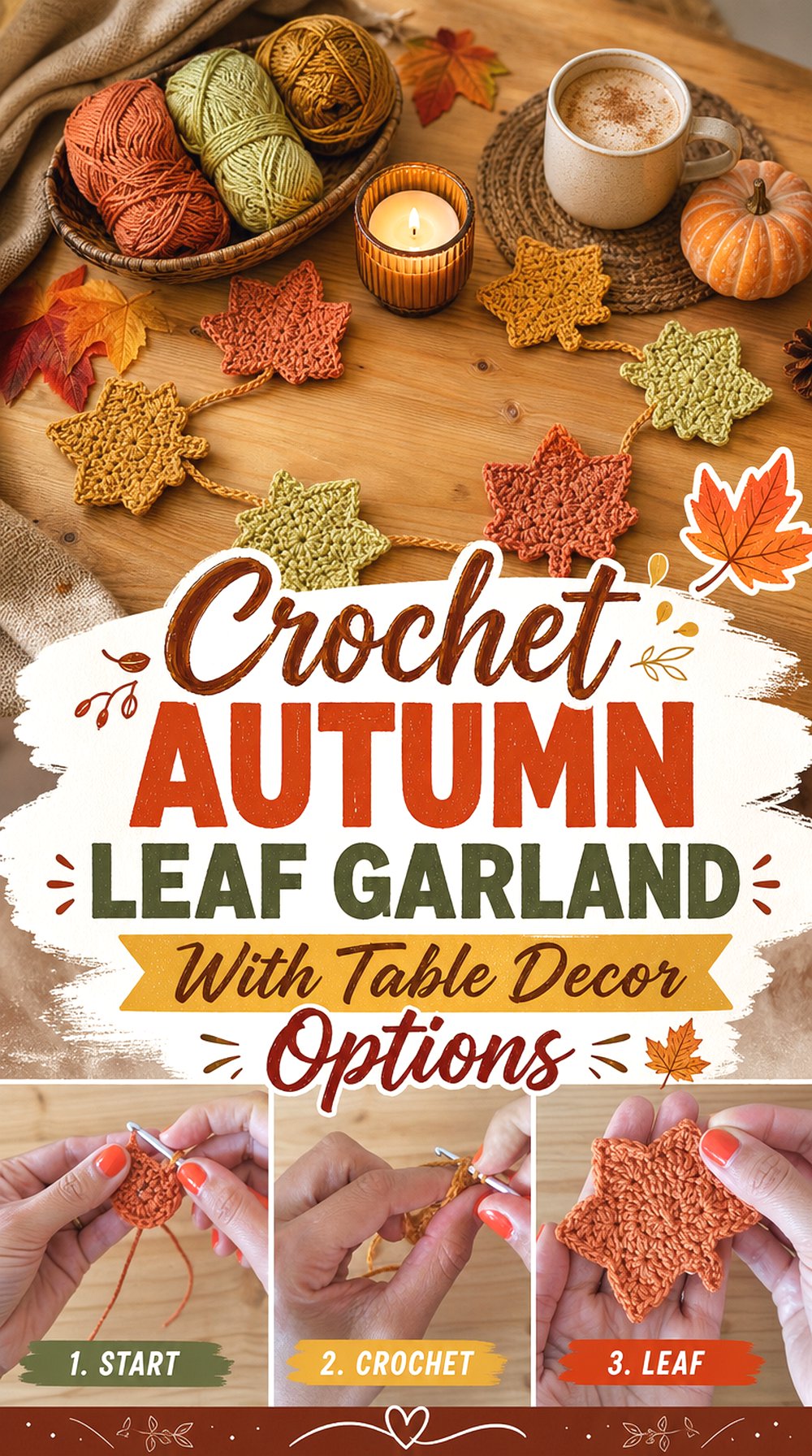
1. Crochet Autumn Leaf Garland With Table Decor Options
 SAVE
SAVEThis autumn leaf garland idea has a flexible seasonal feel because the leaves can work beyond one hanging display. The source presents the leaves for home decorating and also mentions using them as place markers on a fall table, so this option may suit readers planning a Thanksgiving-style setup, a shelf strand, or a small dining display.
The finished look is centered on separate autumn leaves joined into a garland. That makes it different from a continuous vine because the leaf spacing and color order become part of the design decision.
Table and Hanging Uses Both Matter
Because this project can move between table decor and a garland format, readers should decide where it will live before choosing colors. A table setting may look better with fewer leaves and clearer spacing, while a hanging strand can handle a stronger rhythm of repeated colors. The tutorial should be used for the exact construction, but the display plan is worth deciding first.
Subtitles and Written Support Are Worth Checking
The source notes subtitles and written instructions, which can help readers who like to pause and compare the leaf shape as they work. Before starting, it is useful to check the description for any linked written guide and material list. This is especially helpful if the garland needs to match a specific table size, shelf width, or seasonal color palette.
Leaf Spacing Sets the Final Mood
A garland with leaves placed close together feels fuller and more decorative, while wider spacing gives each leaf more room to show. Since this project is built around autumn leaves rather than flowers or tassels, the distance between leaves will affect how readable the shapes are from across the room. Readers should compare the finished view before committing to a long strand.
Creator: hibouchoucaillou
2. Crochet Alternating Leaf Garland
 SAVE
SAVEThe alternating direction of the leaves gives this garland a flowing look instead of a flat row of repeated pieces. The project is useful for readers who want a leafy strand that feels more like a vine, with leaves pointing in different directions along the cord.
This option stands apart from the maple and oak garlands because the focus is on movement across the whole strand. It may work well for wrapping around a wreath form, draping over a small shelf, or adding a soft botanical line to autumn decor.
Alternating Leaves Shape the Movement
The source notes that the direction of the leaves matters, which makes this project more about rhythm than individual leaf size. A garland like this can look more natural when the leaves do not all face one way. Readers should watch the orientation carefully and compare the strand as it grows, especially if the finished piece will be viewed from the front.
Best Places for a Flowing Strand
A vine-style leaf garland can be easier to bend around a wreath or curve across a display than a strand with large separate motifs. This makes placement important. A narrow shelf, mirror frame, or wreath edge may suit the softer line better than a formal straight banner. The final display area should guide the length and color plan.
Following the Visual Direction
This project depends on seeing how the leaves turn along the strand, so visual attention matters. Readers who prefer written-only instructions should review the tutorial first and decide whether the demonstration style is comfortable. For a balanced result, it helps to pause at shape changes and make sure the leaf direction still matches the intended look.
Creator: Príncipe del Crochet
3. Crochet Simple Fall Leaf Garland
 SAVE
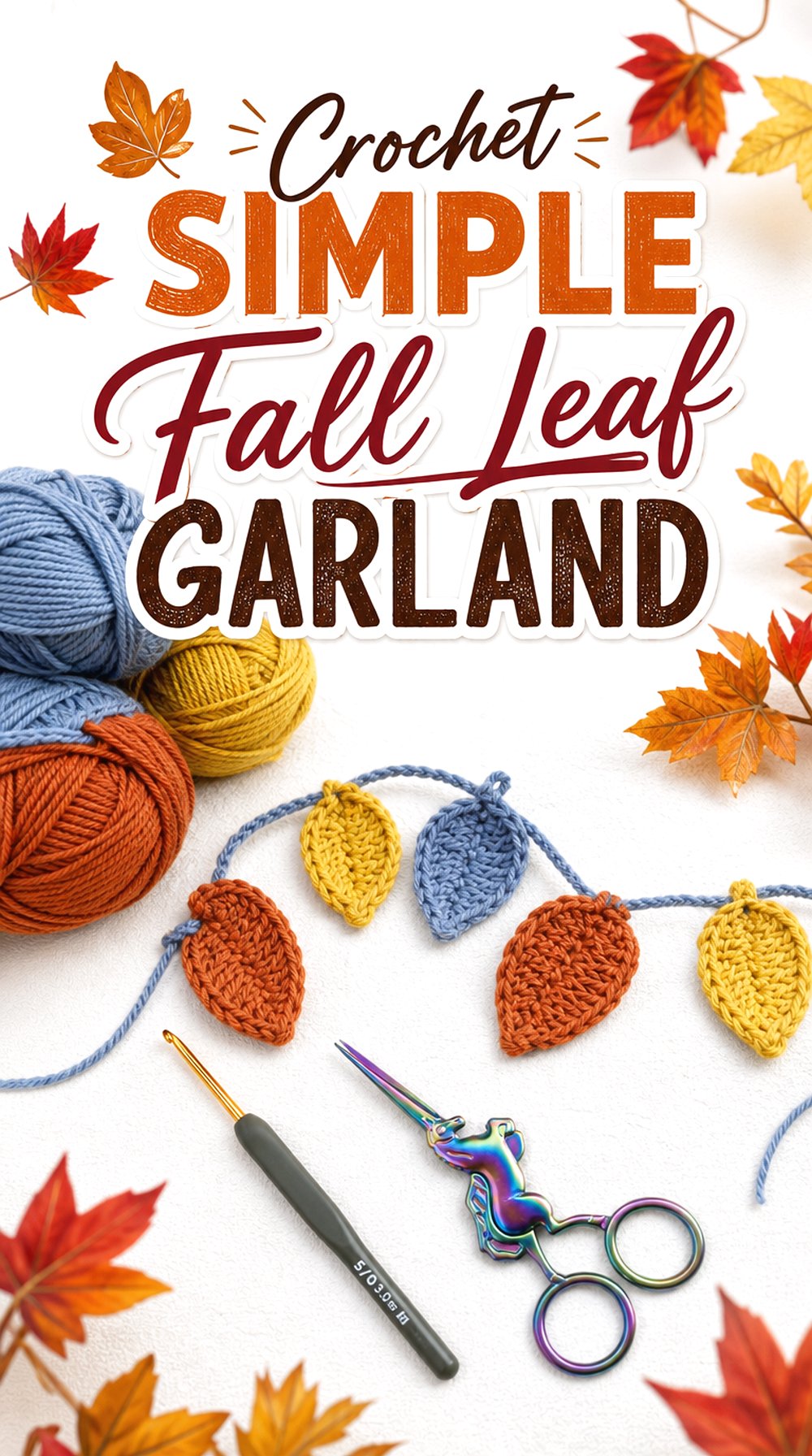
SAVEThis fall leaf garland keeps the focus on a clean leaf shape that can be made as a single leaf or repeated into a garland. It is a good fit for readers who want a straightforward autumn decoration without mixing in pumpkins, acorns, or other motifs.
The source mentions cotton yarn and describes the leaves as usable for fall decor. That gives this idea a neat, craft-room-friendly feel, especially for smaller strands, gift wrapping, or light seasonal accents around the home.
Single Leaves or a Full Garland
One practical advantage of this idea is that the same leaf can be used alone or multiplied into a longer decoration. Readers who are unsure about making a full strand can start by reviewing how the leaf looks by itself, then decide whether it suits a garland. This makes the project easier to scale for a window, basket handle, or small wall hook.
Cotton Can Give a Cleaner Leaf Shape
The source mentions cotton yarn as an option, which may appeal to readers who want crisp leaf edges rather than a very fuzzy finish. Since yarn choice can change the size and drape, the material list should be checked before buying supplies. A sample leaf is useful when the finished garland needs to fit a specific space.
Color Planning Before Repeating
A simple leaf shape depends heavily on color order once it becomes a garland. Rust, mustard, olive, brown, and cream can create an autumn look without making every leaf the same. Before making many leaves, readers may want to lay out a small color sequence and see whether the strand feels balanced.
Creator: Crochet with Yarnhild
4. Crochet No Sew Leaf Vine Garland
 SAVE
SAVEThis no-sew leaf vine garland is built around a continuous style, with the chain and leaves worked as one flowing piece. That makes it very different from garlands where separate leaves must be attached afterward.
The finished result is especially useful for readers who like a trailing vine look. It can feel lighter and more flexible than a banner of large leaves, and the source specifically mentions wrapping it around a wreath. This is a strong option for curved displays, narrow shelves, and softer botanical fall decorating.
The No-Sew Vine Format Changes the Finish
A no-sew structure can create a cleaner, uninterrupted strand because the leaves are part of the same piece. Readers who dislike attaching many small motifs may prefer this format. The main decision is whether the finished vine effect suits the display better than a fuller bunting style with separate maple or oak shapes.
Length Is the Main Choice Here
For a continuous garland, the final length matters from the beginning. A short strand can accent a wreath or small shelf, while a longer one may need more planning so it does not look sparse. The source notes that yarn amount depends on variables such as yarn choice, tension, and finished size, so measuring the display area first is practical.
Wreath Wrapping Versus Straight Hanging
This design can work differently depending on placement. Wrapped around a wreath, the leaves may overlap and create a fuller natural look. Hung in a straight line, the spacing becomes more obvious. Readers should decide which use they prefer before choosing color changes or making the strand longer.
Creator: Hooked by Robin
5. Crochet Small Room Decor Leaf Garland
 SAVE
SAVEThis leaf garland is presented as room decor, which makes it a nice choice for readers who want a lighter, casual autumn accent rather than a large mantel display. The finished idea feels suitable for a bedroom wall, craft corner, small shelf, or window area.
Compared with the more traditional oak and maple garlands, this project reads as simple and youthful. It is more about adding a soft line of leaves to a space than building a heavy seasonal centerpiece.
Small Spaces Need Lighter Spacing
A room decor garland can become too busy if the leaves are oversized or packed too closely. For this type of project, readers should think about where the strand will hang and how much wall or shelf space is available. A lighter arrangement can help the leaf shapes stay clear without overwhelming a small area.
A Simple Look Depends on Neat Repetition
Because this idea is not built around many extra motifs, the repeated leaves need to look consistent enough to form a clean strand. Readers may want to compare the first few leaves before continuing. If the project is meant for a visible wall display, even spacing and tidy ends will matter more than extra decoration.
Finished Length Should Be Verified
The source does not clearly provide every display measurement in the search result, so readers should verify length details from the tutorial before planning a specific location. This is especially important for a window, dorm room wall, or shelf edge where a strand that is too short or too long may not sit well.
Creator: Nora’s creative corner
6. Crochet Maple Leaf Garland
 SAVE
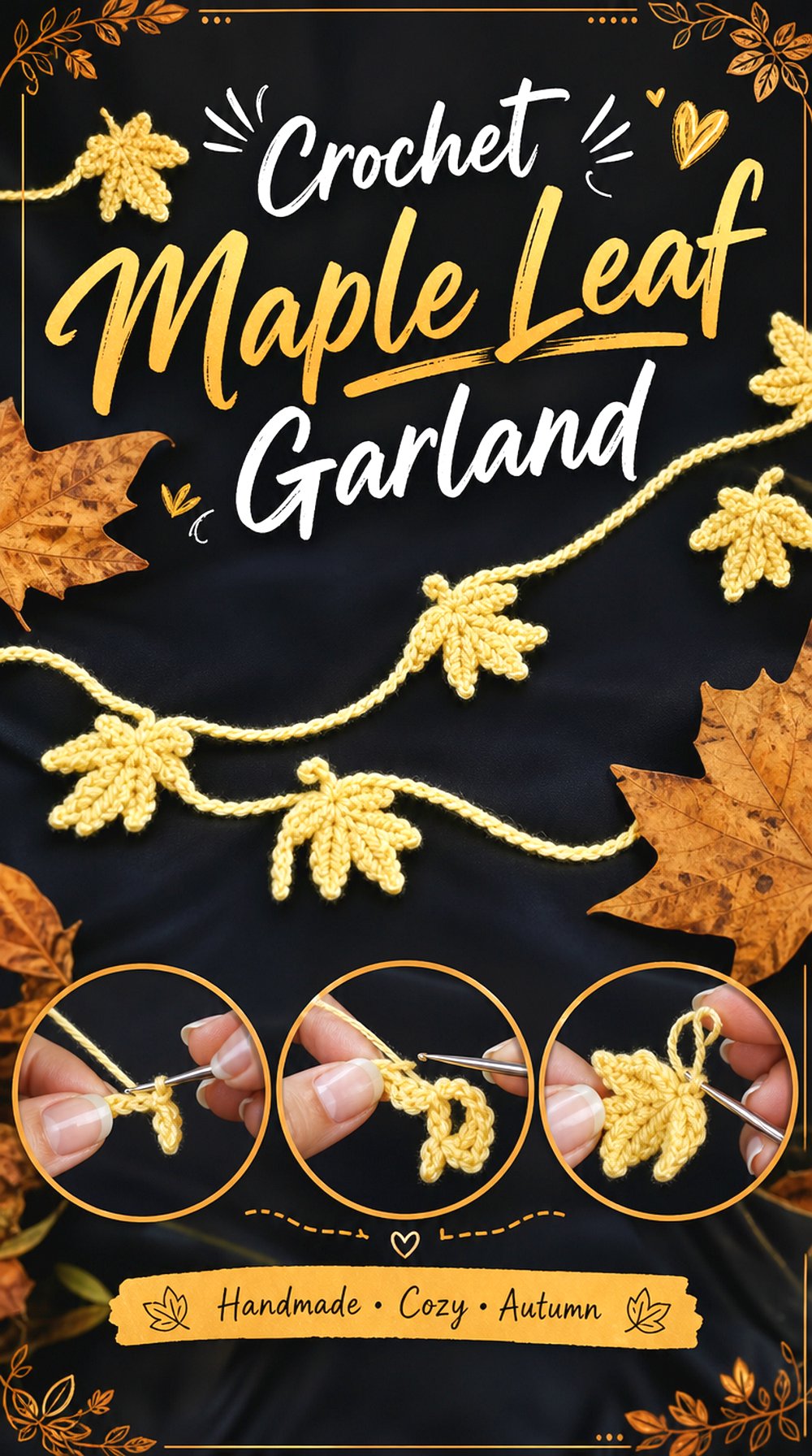
SAVEA maple leaf garland gives the display a very recognizable autumn shape. The pointed leaf outline makes this option feel more classic than a simple oval leaf vine, and the source describes it as a decoration that can be used in many styles.
This is a good pick for readers who want the garland itself to clearly say “fall” even before other seasonal items are added. It may suit a mantel, entry table, wall hook, or Thanksgiving display where the leaf silhouette should be easy to read.
Maple Shape Gives a Clear Autumn Look
The maple leaf shape is the main reason to choose this project. It has a stronger seasonal identity than a simple vine leaf, so fewer motifs may still make a clear fall statement. Readers should think about whether they want a bold leaf outline or a softer trailing style before choosing this tutorial.
English Subtitles May Help Viewers Follow Along
The source title notes English subtitles, which can be useful for readers who rely on written cues while watching. Before starting, viewers should make sure subtitles are available and comfortable to follow. This is especially helpful when the leaf shape has several points and needs careful attention to maintain the outline.
Decoration Style Is Flexible
The source describes the garland as usable for decoration in many styles. That flexibility makes color choice important. Warm rust, muted gold, brown, olive, and cream can make the garland feel autumnal, while a single-color strand may look cleaner and more modern. Readers should choose based on the room, not only the leaf shape.
Creator: NuNi
7. Crochet Larger Fall Leaf Garland
 SAVE
SAVEThis fall leaf garland uses leaves that the source describes as measuring about 5 inches tall and 4 1/2 inches wide when made with the listed sample materials. That makes it a useful option for readers who want the leaves to show clearly from a distance.
The larger scale separates this idea from small room garlands and fine vine-style strands. It may work better across a mantel, banister, or wide wall area where each leaf needs enough visual weight to be noticed.
Larger Leaves Need More Display Space
A bigger leaf can make a stronger autumn statement, but it also needs room to hang without crowding. Readers should measure the intended area and think about how many leaves will fit comfortably. For a narrow shelf, fewer large leaves may look better than trying to force a long, dense garland.
Size Notes Make Planning Easier
Because the source gives sample leaf measurements, this project offers helpful planning information. Readers can compare those measurements with their display space before choosing yarn. If the garland is meant for a table runner or stair rail, knowing the approximate leaf size helps avoid a strand that looks too small or too bulky.
Changing Yarn Changes the Scale
The source explains that the leaves can be sized up or down by changing yarn and hook choices. That makes this tutorial flexible, but it also means the sample measurements should not be treated as universal. Readers should make one leaf first, measure it, and then decide how many are needed for the finished garland.
Creator: BitKnits
8. Crochet Autumn Leaf, Acorn, and Pumpkin Garland
 SAVE
SAVEThis garland adds more variety by combining leaves with other fall motifs, including an acorn and a pumpkin. It is a good option for readers who want a fuller seasonal decoration rather than a strand made only from repeated leaves.
The mixed format makes the finished garland feel more like a complete autumn scene. It may suit a mantel, craft fair display, party backdrop, or holiday shelf where a single leaf shape might feel too plain.
Mixed Motifs Break Up the Leaf Line
Adding acorns and pumpkins changes the rhythm of the garland. Instead of seeing one leaf after another, the eye moves across several fall shapes. Readers who like fuller seasonal decor may prefer this format, while those who want a quiet botanical strand may prefer a leaf-only tutorial.
Two Leaf Types Add More Variety
The source mentions two different types of leaves, which gives the garland more texture and shape variation. This matters because mixed leaves can make the strand look less repetitive. Readers should pay attention to how the different motifs are arranged so the finished garland does not feel uneven or crowded.
Extra Pieces Need More Layout Planning
A mixed motif garland usually takes more planning than a simple vine because each shape has its own visual weight. Before joining or displaying the pieces, readers may want to lay them out in order and adjust the spacing. This helps the acorns, pumpkin, and leaves feel balanced across the full strand.
Pattern Access Is Worth Checking
The source points viewers to a pattern, so readers should check what is included before starting. A project with several motif types can be easier to manage when the written information, material list, and video are used together. This is also helpful for confirming any extra components before buying supplies.
Creator: Annie’s Attic Videos
9. Crochet Oak Leaf Garland for Mantels and Tables
 SAVE
SAVEAn oak leaf garland gives a different woodland look from maple leaves or simple vine leaves. The source describes this project for seasonal decor, mantel displays, and table settings, so it has a clear home-decor purpose.
This option suits readers who want a more traditional autumn garland with shaped leaves and warm fall colors. It can look polished across a fireplace, dining table, sideboard, or shelf, especially when the leaf colors are planned before the full strand is made.
Oak Leaves Suit Mantels and Tables
Oak leaves have a longer, lobed shape, so they can create a different rhythm across a display than rounder or pointed maple leaves. For mantels and tables, that shape can help the garland spread visually without needing many extra motifs. Readers should consider whether the oak outline fits their decor better than a vine or maple style.
Pattern and Video Work Together
The source mentions a free pattern along with the video tutorial. That can be useful for readers who like to watch the shape being made and then check written details separately. Before beginning, it is worth opening both resources so the material list, finished measurements, and construction guidance are clear.
Measurement Details Help Placement
A garland intended for a mantel or table needs more planning than a small wall strand. The source information includes finished measurement details through the associated pattern listing, which can help readers compare the project with their available space. This is especially useful when planning a centerpiece, fireplace display, or long seasonal shelf.
Creator: Yarnspirations
How to Pick the Right Garland Style
Choose the garland by display location first. For a wreath, shelf edge, or curved frame, the no-sew vine and alternating leaf garland may bend more naturally. For a classic fall look, the maple and oak leaf garlands create stronger seasonal shapes. If the display area is wide, the larger fall leaves or the mixed leaf, acorn, and pumpkin garland will show up better from a distance.
For smaller rooms, a lighter leaf strand may be easier to place without making the wall look crowded. Table displays need extra attention to length, spacing, and color order because the garland will be seen up close. When a tutorial includes measurements or a written guide, use those details before buying supplies.
Conclusion
These crochet autumn leaf garland ideas range from quiet leaf vines to bold maple leaves, larger fall leaves, oak leaf strands, and a mixed garland with pumpkins and acorns. A small room display may only need a simple repeating strand, while a mantel or table can handle larger leaves or a fuller arrangement.
The best choice depends on how much space the garland needs to cover and whether the finished display should feel botanical, classic, or more festive. Use the original YouTube tutorials for exact construction details, material lists, and any written pattern links supplied by the creators.
FAQs
How do I choose the right crochet autumn leaf garland for my space?
Start with the display location. A wreath or narrow shelf may suit a soft vine garland, while a mantel or table can handle larger maple or oak leaves. If the garland will be viewed from far away, choose a design with clearer leaf shapes or stronger color contrast.
Can I use different yarn colors for an autumn leaf garland?
Yes, but the color order should be planned before making a long strand. Rust, mustard, olive, brown, muted gold, and cream can all support an autumn look. Check the creator’s material list first, because changing yarn can affect the leaf size, drape, and overall finished length.
Should I choose a leaf-only garland or a mixed fall motif garland?
A leaf-only garland usually looks cleaner and more botanical. A mixed garland with acorns, pumpkins, or other fall motifs feels fuller and more decorative. Choose leaf-only for subtle shelves, windows, and wreaths. Choose mixed motifs when the garland needs to act as a stronger seasonal centerpiece.
What should I verify before starting a crochet leaf garland tutorial?
Check whether the tutorial gives finished measurements, material details, assembly guidance, and any written pattern link. For garlands, length and spacing matter as much as the leaf shape. If the source focuses mostly on making the leaf motif, decide how the leaves will be attached or arranged before making many pieces.
Can I sell crochet garlands made from YouTube tutorials?
Do not assume selling is allowed. Each creator may have different terms for finished items, pattern use, photos, and credit. Check the video description, linked pattern page, or creator policies before selling. Local business, labeling, and tax requirements may also apply, depending on where the items are sold.
Are crochet autumn leaf garlands washable?
Only follow care information that comes from the yarn label or the creator’s instructions. If care details are not clearly stated, keep the yarn label and avoid guessing. Decorative garlands may collect dust, so readers should think about where the strand will hang and how easily it can be removed for careful cleaning.