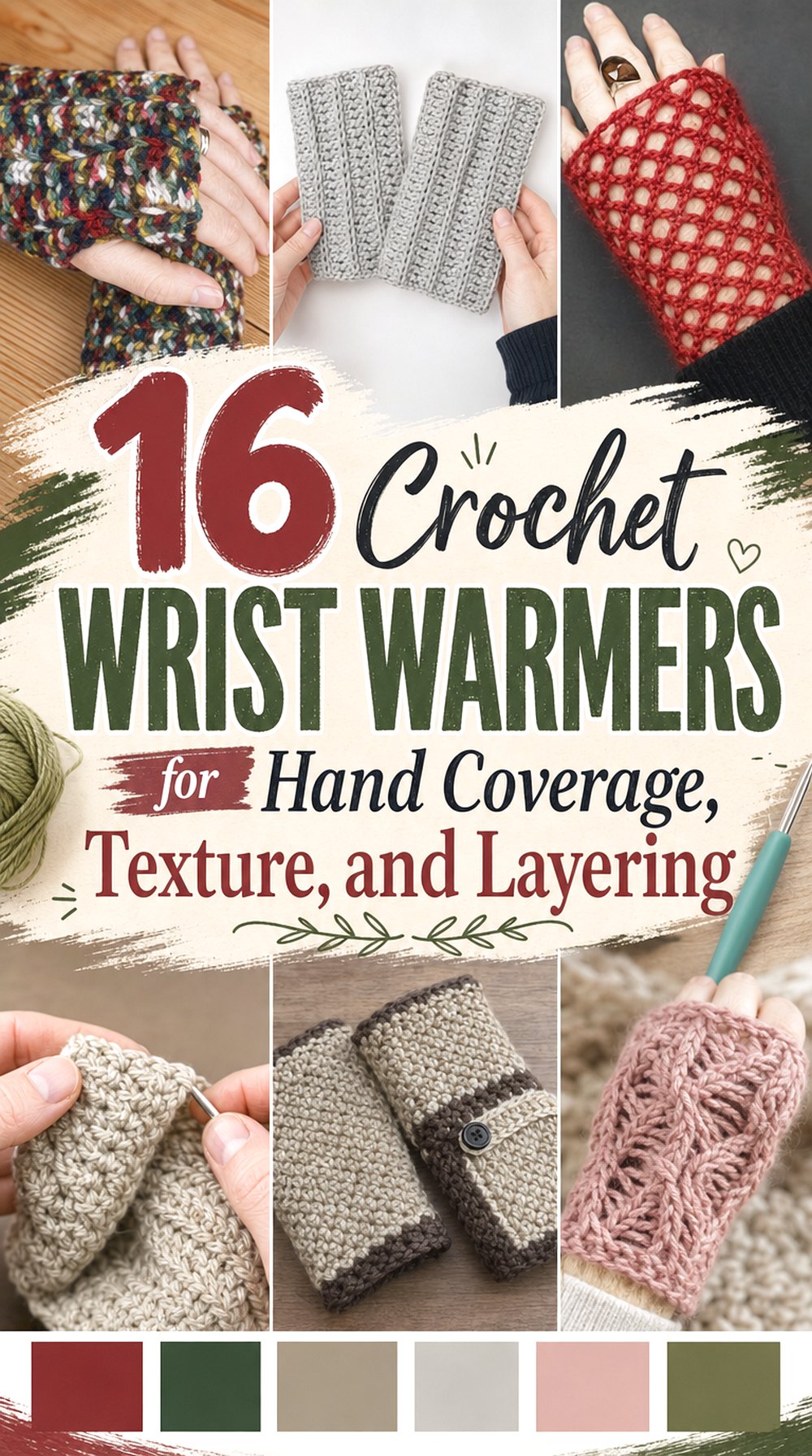
16 Crochet Wrist Warmers for Hand Coverage, Texture, and Layering
Crochet wrist warmers can range from short seamed cuffs to longer fingerless mitts with more forearm coverage. This list focuses on finished projects that give readers different choices in shape, texture, opening style, and styling rather than repeating the same plain glove over and over.
Some options are close-fitting and simple, while others use granny squares, lace, herringbone texture, bows, or longer cuffs. A few are mainly practical for keeping the wrist and hand covered while the fingers stay free, and others lean more decorative for outfit layering.
Use this collection to compare how much hand coverage you want, how visible the thumb opening is, whether the wrist warmer has a cuff, and how much surface texture you want before opening the original tutorial.
Quick List
- Crochet Chunky Folded Wrist Warmers
- Crochet Short Seamed Wrist Warmers
- Crochet Rustic Sock-Yarn Hand Warmers
- Crochet Matching-Set Wrist Warmers
- Crochet Herringbone Texture Wrist Warmers
- Crochet Granny Square Wrist Warmers
- Crochet Lacy Fingerless Wrist Warmers
- Crochet Left-Handed Shell Lace Wrist Warmers
- Crochet Bow-Trimmed Wrist Warmers
- Crochet Long Fingerless Wrist Warmers
- Crochet Multi-Size Fingerless Wrist Warmers
- Crochet Half Double Wrist Warmers
- Crochet Classic Cozy Fingerless Wrist Warmers
- Crochet Fingerless Mitten Wrist Warmers
- Crochet Ribbed Hand Warmer Wrist Warmers
- Crochet Unique-Cuff Fingerless Wrist Warmers
What to Compare Before Choosing Crochet Wrist Warmers
The most useful difference is coverage. A short cuff-style warmer may be enough when the wrist needs light coverage, while a longer mitt can sit higher on the forearm and feel more like a layering piece. Thumb openings also vary: some are simple side gaps, while others have a more shaped or bordered finish.
Texture matters too. Ribbing and herringbone stitches give a denser look, granny squares create a patchwork style, and lacy shell designs leave more open space. Before starting, check whether the source gives sizing notes, finished measurements, a clear material list, and a good view of the thumb area. Those details matter more for wrist warmers than color alone.
1. Crochet Chunky Folded Wrist Warmers

A folded rectangle style gives these wrist warmers a simple, practical shape with a soft cuff-like finish around the hand. The finished project is shown as fingerless gloves or wrist warmers, so it works well for readers who want hand coverage without full fingers.
The chunky look separates this pair from lighter lace or motif-based choices. It is a good option to compare when you want a straightforward wrist warmer shape and do not need decorative add-ons, buttons, or separate square motifs.
The Folded Shape Keeps the Focus Simple
This design is useful for readers who want to understand the basic wrist warmer form before choosing something more detailed. Since the shape is built around a simple fabric section and then closed into place, the main decision is whether that clean tube-like finish suits the way you plan to wear it.
Measurements Matter More Than Decoration Here
The project depends on the finished piece fitting comfortably around the wrist and hand. Before choosing yarn, check the creator’s measurement section and compare it with your own hand. A small difference in width can change whether the warmer feels close-fitting or loose.
Creator: Blossom Crochet
2. Crochet Short Seamed Wrist Warmers

This short wrist warmer design has a compact shape and a clearly seamed finish. The project is useful for readers who want a smaller hand warmer rather than a long arm warmer or full mitten shape.
Its simple length makes it different from the long forearm option later in this list. It also gives readers a way to focus on fit around the palm and wrist without adding bows, shell lace, or granny square panels.
A Compact Length Changes the Use
Short wrist warmers are easier to compare with cuffs than with full mittens. They can suit readers who want the wrist and lower hand covered while leaving plenty of finger movement. Before starting, look closely at where the finished edge sits on the hand.
The Seam Should Sit Neatly
A seamed wrist warmer needs a clean closing area so the finished piece does not look twisted or uneven. Since this project includes a sewing stage, watch how the side opening is placed and how much room is left for the thumb.
Loose Ends Need a Clean Finish
Small accessories show finishing details easily because there is not much surface area to hide them. Check how the creator finishes the seamed section and handles yarn ends so the inside of the wrist warmer stays neat when worn.
Creator: VivCrochets
3. Crochet Rustic Sock Yarn Hand Warmers
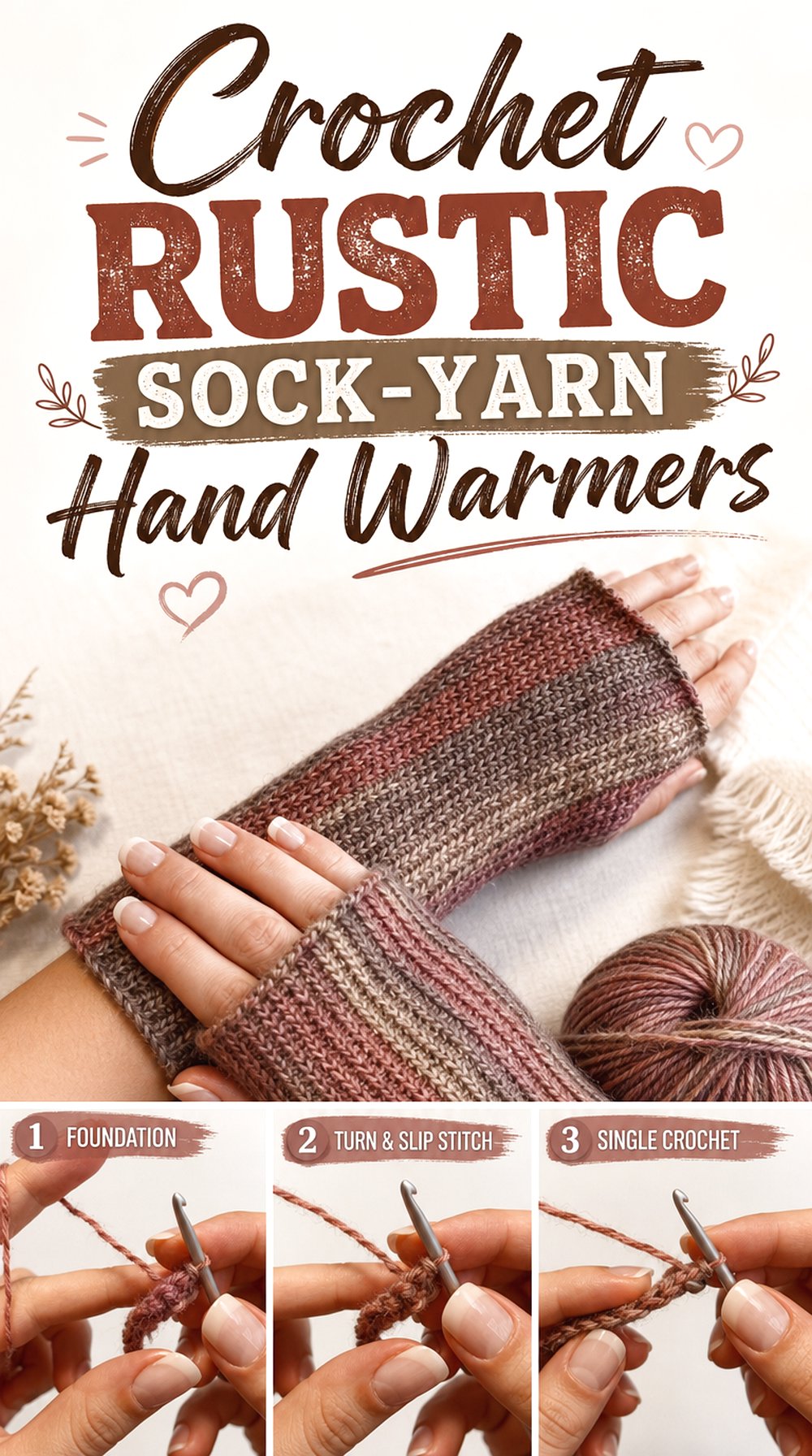
These hand and wrist warmers have a slimmer, more rustic look than chunkier cuff projects. The source presents them as hand/wrist warmers and uses a sock-yarn direction, which gives this choice a different feel from bulkier winter-style pairs.
The finished style may appeal to readers who want a lighter-looking accessory with a more fitted hand shape. It is also a useful comparison point for anyone deciding between soft drape, fine texture, and heavier stitch definition.
Fine Yarn Changes the Finished Feel
A sock-yarn hand warmer will not read the same way as a chunky wrist cuff. The surface usually looks smaller-scale and more delicate, so readers should decide whether they want that slimmer appearance before choosing supplies.
Watch the Thumb Opening Placement
The thumb opening is a major comfort point on this kind of hand warmer. Check where the gap is placed in relation to the seam and palm area. A clear thumb opening can make the finished warmer easier to wear without pulling.
Written Support May Help With Pausing
The source mentions a written pattern option, which can be useful for readers who prefer to stop and compare sections away from the screen. Check the linked pattern information before beginning if you like having text alongside video guidance.
Creator: brittanyalicecrochet
4. Crochet Matching Set Wrist Warmers
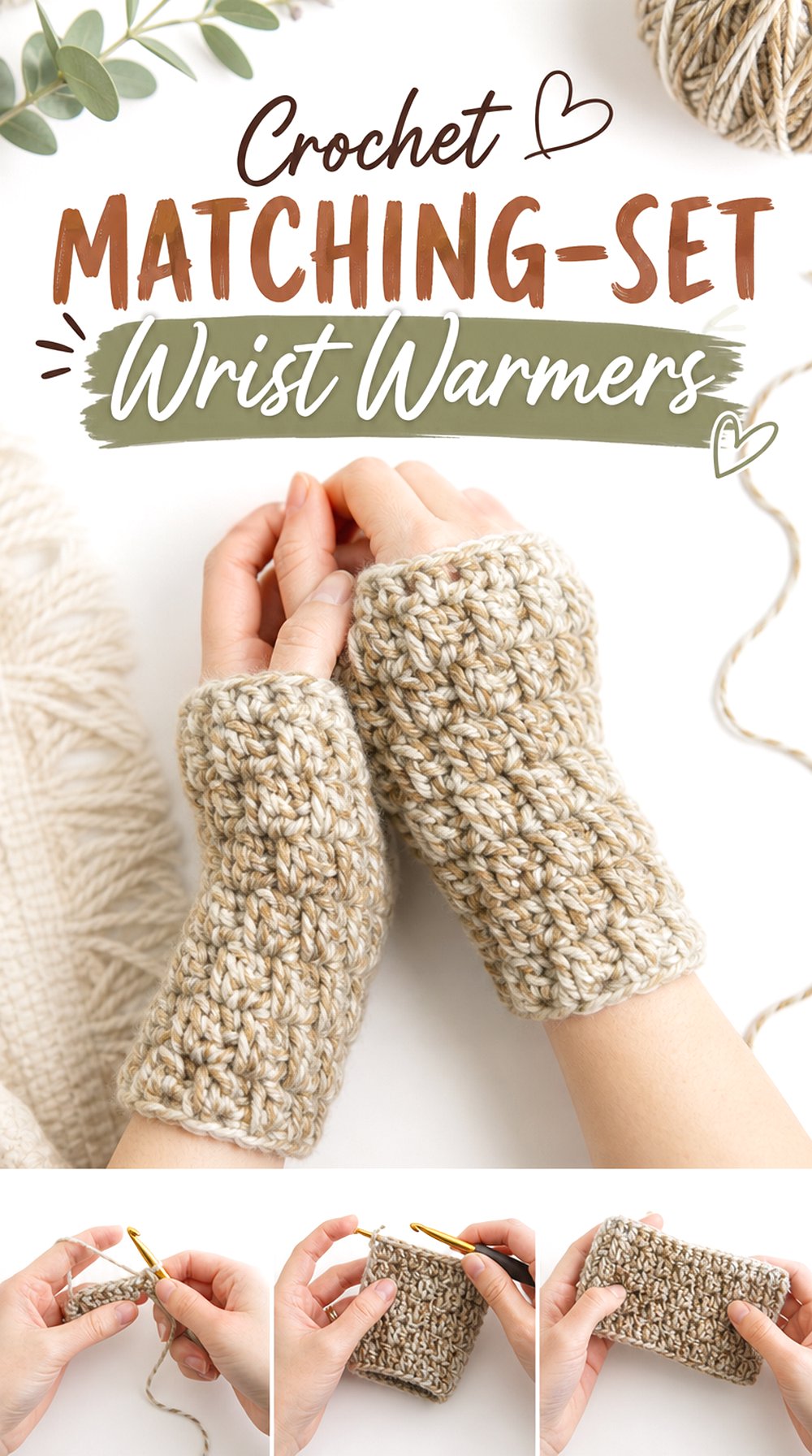
This wrist warmer is presented as part of a matching set, which makes it useful for readers who like accessories that can coordinate with other cold-weather pieces. The finished project still works on its own, but the set angle gives it a more planned look.
Compared with the lace and granny square options, this choice feels more like a classic accessory. It is worth considering when you want wrist warmers that can visually match a hat, cowl, or other yarn project.
Matching Pieces Affect Color Choice
Because this project belongs to a set, color choice matters beyond the wrist warmers themselves. Readers may want to choose a yarn direction that can also work for a hat or cowl instead of treating the pair as a standalone accent.
Keep the Wrist Edge Consistent
A matching-set piece usually looks best when the edges feel intentional. Pay attention to the cuff and top edge in the original guide so the wrist warmers do not look unfinished next to other accessories made in the same yarn.
Confirm the Linked Pattern Details
The creator provides a pattern link, so readers who like written support should check what is included before starting. This is especially helpful if you plan to make the wrist warmers along with the rest of the set.
Creator: B.Hooked Crochet
5. Crochet Herringbone Texture Wrist Warmers

The standout feature of this pair is the herringbone texture, which gives the wrist warmers a more directional surface than plain ribbing. The finished shape is still practical and wearable, but the stitch texture becomes the main visual detail.
This design is a strong middle ground between plain cuffs and decorative lace. It suits readers who want texture that shows clearly without using motifs, bows, or openwork.
Herringbone Texture Needs Clear Stitch Visibility
The herringbone effect is the point of this project, so yarn color and texture should not hide it. A heavily fuzzy or very busy yarn may make the surface harder to read. Check the finished sample closely before choosing a similar look.
The Cuff and Hand Sections Differ
This wrist warmer has a clear relationship between the lower wrist area and the hand section. That contrast helps the finished piece look more shaped. Readers should notice how the narrower lower area sits compared with the upper part.
Size Notes Are Worth Reading First
The source includes finished measurement information, so it is worth checking those details before beginning. Wrist warmers depend on circumference and length more than many flat accessories, especially when the cuff is meant to sit neatly.
Creator: Nebeska Crochet with Love
6. Crochet Granny Square Wrist Warmers
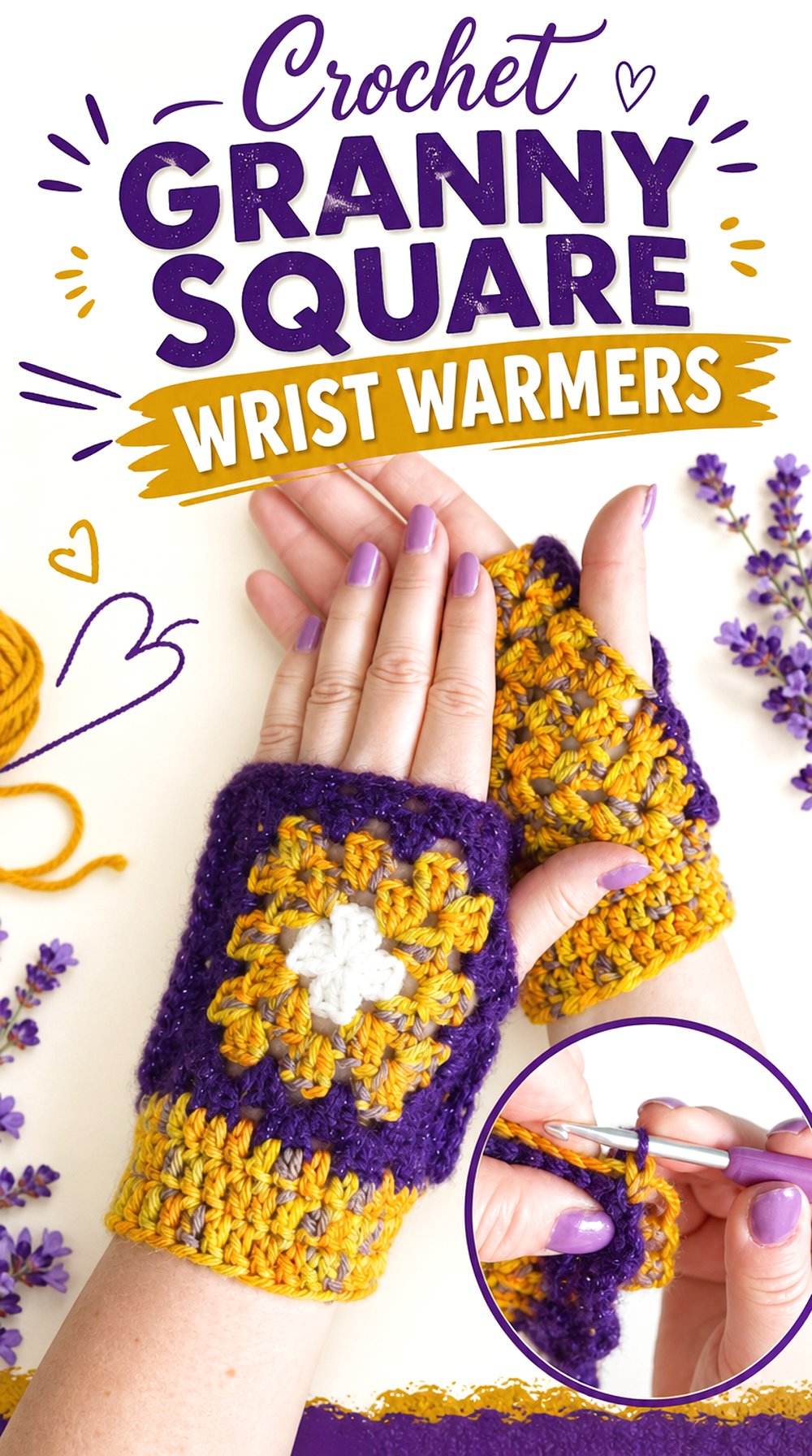
Granny square wrist warmers create a patchwork-style look that stands apart from the long rows and ribbed shapes in this list. The design uses small square motifs joined into a wearable form, with a short cuff completing the finished wrist area.
This is a good project choice for readers who enjoy visible motifs and a more handmade patchwork appearance. It also offers a different way to think about fit, because the square layout affects both width and placement.
Motif Placement Shapes the Finished Look
The squares are the main feature, so placement matters as much as color. Readers should look at how the motifs sit on the hand and whether the joins are visible. A neat layout keeps the wrist warmers from looking uneven.
The Cuff Helps Ground the Squares
A cuff gives the granny square section a more finished edge around the wrist. Without a clean cuff area, motif-based wrist warmers can look more like joined samples than a planned accessory. Watch how the cuff supports the square body.
Color Contrast Can Help the Squares Read Clearly
Granny squares rely on their shape being easy to see. Strong contrast can make the motif layout stand out, while softer colors can make the pair look more blended. Choose based on whether you want the squares to be the main statement.
Creator: Crochet with Tuula Maaria
7. Crochet Lacy Fingerless Wrist Warmers

This lacy fingerless style is lighter and more open than the ribbed and chunky wrist warmers. The finished pair has a decorative look, making it better suited to readers who want a visible accessory rather than only a dense cold-weather layer.
The open texture makes this design different from rustic hand warmers and herringbone cuffs. It may be a good choice when the wrist warmer is meant to show as part of an outfit.
Open Texture Means Less Solid Coverage
Lace-style wrist warmers do not look as solid as dense ribbed mitts. Readers should choose this type when the decorative surface matters more than full coverage. Look at the spacing in the finished sample before deciding.
The Thumb Area Should Stay Easy to Identify
In lacy designs, the thumb opening can blend into the open stitch pattern if it is not clearly finished. Check the final view and make sure the opening is easy to understand before relying on the project for everyday wear.
Decorative Use Is the Main Strength
This pair is most useful as a style-focused wrist warmer. It can add texture at the cuff of a sleeve without looking bulky. Choose it when you want a lighter accessory and do not need a long forearm shape.
Creator: I.L Creations
8. Crochet Left Handed Shell Lace Wrist Warmers

This shell lace project is especially useful for left-handed crocheters because the tutorial is presented for lefties. The finished wrist warmers have a soft, decorative shell texture with an open fingerless form.
Its main difference is the learning format. Many wrist warmer tutorials assume right-handed viewing, so this project gives left-handed readers a more direct way to follow along while still ending with a lacy finished accessory.
Left-Handed Teaching Is the Key Feature
For left-handed crocheters, mirrored movement can make a big difference. This tutorial’s left-handed format may reduce the need to mentally reverse each motion. Readers should still preview the full guide to make sure the camera angle suits them.
Shell Lace Gives a Softer Edge
The shell texture makes the finished wrist warmer look more decorative than a plain cuff. This style works best when the open pattern is visible, so choose yarn and color with enough stitch definition to show the shells clearly.
Sizing Claims Should Be Verified
The source mentions size modification, but readers should still check how much detail is provided before starting. Wrist warmers need a comfortable balance around the palm, thumb, and wrist, so adjustment guidance is worth reviewing carefully.
Creator: Stitches nook
9. Crochet Bow Trimmed Wrist Warmers
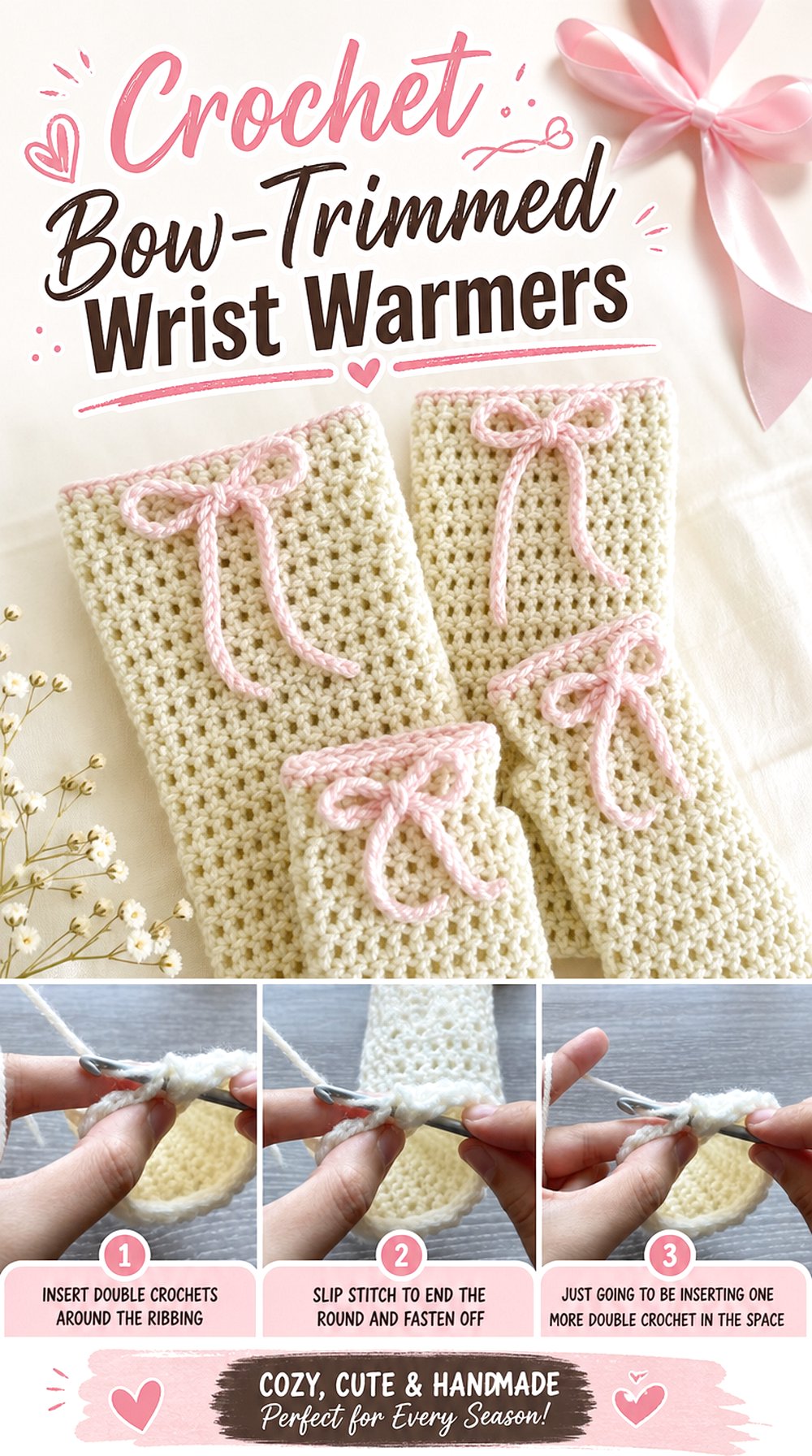
These wrist warmers bring in a decorative bow detail, which makes them stand apart from the more classic cuffs and mitts. The project is styled as fingerless gloves with a coordinated accessory feel, so it may suit readers who want something playful rather than plain.
The bow trim is the main decision point. It changes the finished look from basic hand coverage to a visible outfit detail, especially when worn with long sleeves or layered pieces.
The Bow Placement Sets the Style
The bow is not just an extra piece; it changes the whole look of the wrist warmer. Readers should notice where it sits on the finished glove and decide whether they want that decorative focus on the back of the hand or closer to the wrist.
Coordinating With Arm or Leg Warmers
The source also includes matching warmer content, so this project can be part of a coordinated set. That is useful if you want the wrist warmers to match another accessory instead of standing alone.
Keep the Decoration Practical
A bow can look cute, but it may not suit every daily-use situation. Readers should think about whether the added detail could catch on sleeves, bags, or desk items. For a more practical pair, a smaller or flatter trim may be easier to wear.
Creator: mahum 🎀
10. Crochet Long Fingerless Wrist Warmers

Long wrist warmers offer more forearm coverage than the shorter cuff projects in this list. This design is useful for readers who want the finished piece to act almost like a sleeve extension while still leaving the fingers free.
The longer shape makes it different from compact seamed warmers and granny square mitts. It is especially worth comparing if you plan to wear wrist warmers under coats, over fitted sleeves, or with liner gloves.
Forearm Coverage Is the Main Difference
Length changes how this project will be worn. A longer wrist warmer can cover the gap between sleeve and glove better than a short cuff. Check the finished length against your own arm and sleeve habits before choosing it.
Layering Needs Extra Fit Attention
The source mentions wearing liner gloves underneath for extra warmth, so readers who plan to layer should think about fit carefully. A pair that feels fine alone may feel tighter if worn over another glove.
The Top Edge Should Stay Comfortable
Long warmers need a top edge that sits well on the forearm. Check how the upper opening looks in the finished view and whether it appears close-fitting or relaxed. That detail affects how easily it layers with sleeves.
Creator: Winding Road Crochet
11. Crochet Multi Size Fingerless Wrist Warmers
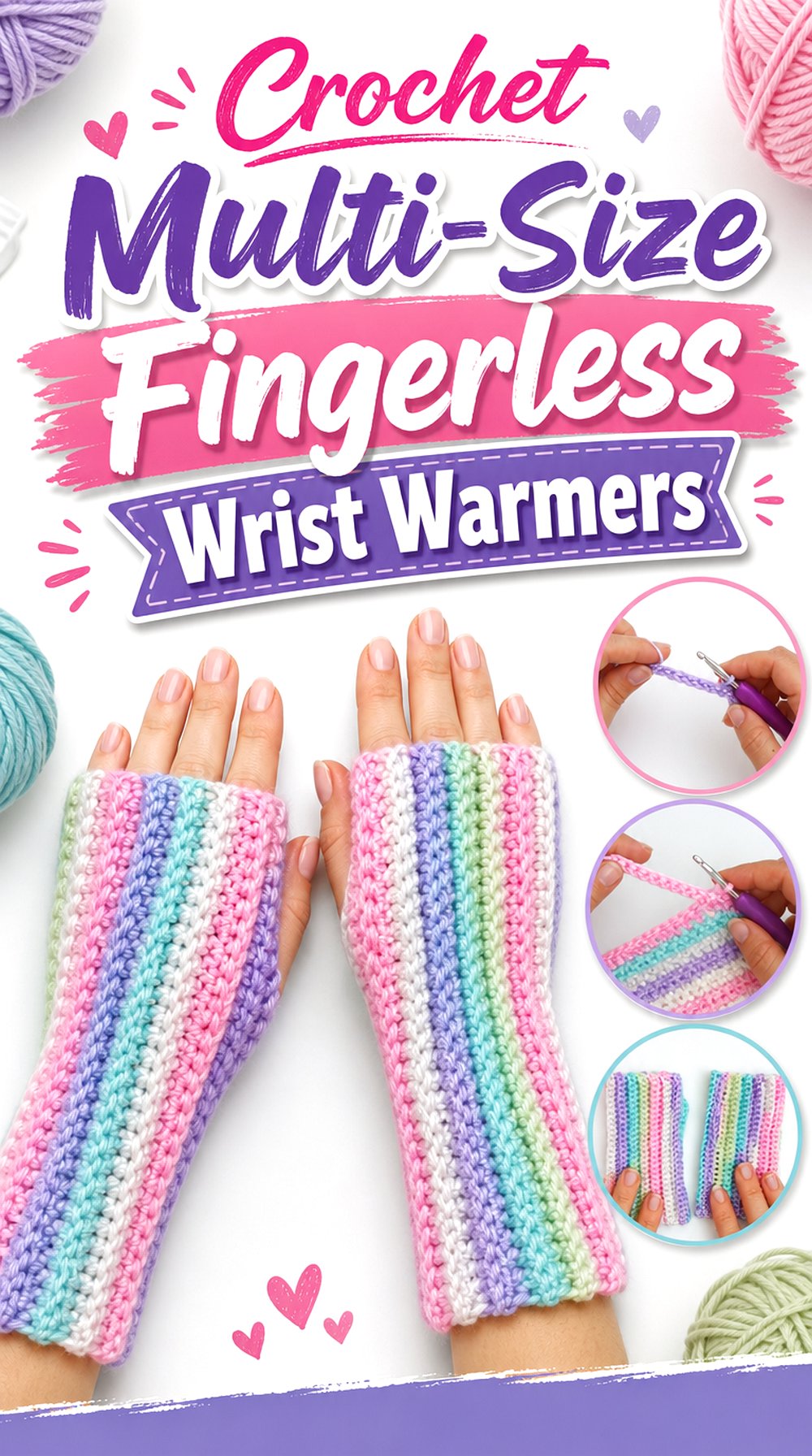
This fingerless wrist warmer project is useful because the source presents size options for different age groups. That makes it a practical pick for readers who want to compare one design across more than one wearer.
The finished look is simple and functional, with the thumb opening kept central to the design. It differs from decorative lace and bow-trimmed options by focusing more on fit, hand coverage, and repeatable sizing.
Size Range Comes First
When a wrist warmer is offered in multiple sizes, the first step is choosing the correct size path. Readers should compare the creator’s listed options with the wearer’s hand measurements rather than choosing by age label alone.
Thumb Opening Fit Can Change by Size
The thumb opening needs to sit in the right place for each hand. A smaller or larger size may change how that area feels when worn. Check the section that explains the thumb opening before making several pairs.
Material Notes Are Worth Saving
The source includes a material list, so readers should record the yarn and hook information before buying supplies. Substituting yarn can change the size and stretch of a small fitted accessory quickly.
Creator: Diving Ducks Crochet
12. Crochet Half Double Wrist Warmers

This women’s fingerless glove project is described with a half double crochet direction, giving it a more classic stitched surface than shell lace or granny square wrist warmers. The finished pair has a straightforward fingerless shape with a practical hand opening.
This is a useful choice for readers who want a traditional wrist warmer form without a lot of decoration. It also offers a different tutorial language and presentation style from the English-language options in the list.
A Classic Stitch Surface Keeps It Clean
The appeal here is a simple, even surface rather than a bold motif. That makes the wrist warmers easier to style with different outerwear. Readers who prefer texture should compare this with the herringbone and ribbed options.
Confirm the Materials Before Substituting
The description lists yarn and hook information, so check those details before making changes. A different yarn weight could shift the fit, especially around the hand and thumb opening.
Language Format May Affect Following
Readers should preview the tutorial to see whether the spoken language, visuals, and pacing are comfortable to follow. A clear finished view can still be useful, but exact construction details should always come from the original source.
Creator: صحبة الكروشيه – Crochet Company
13. Crochet Classic Cozy Fingerless Wrist Warmers
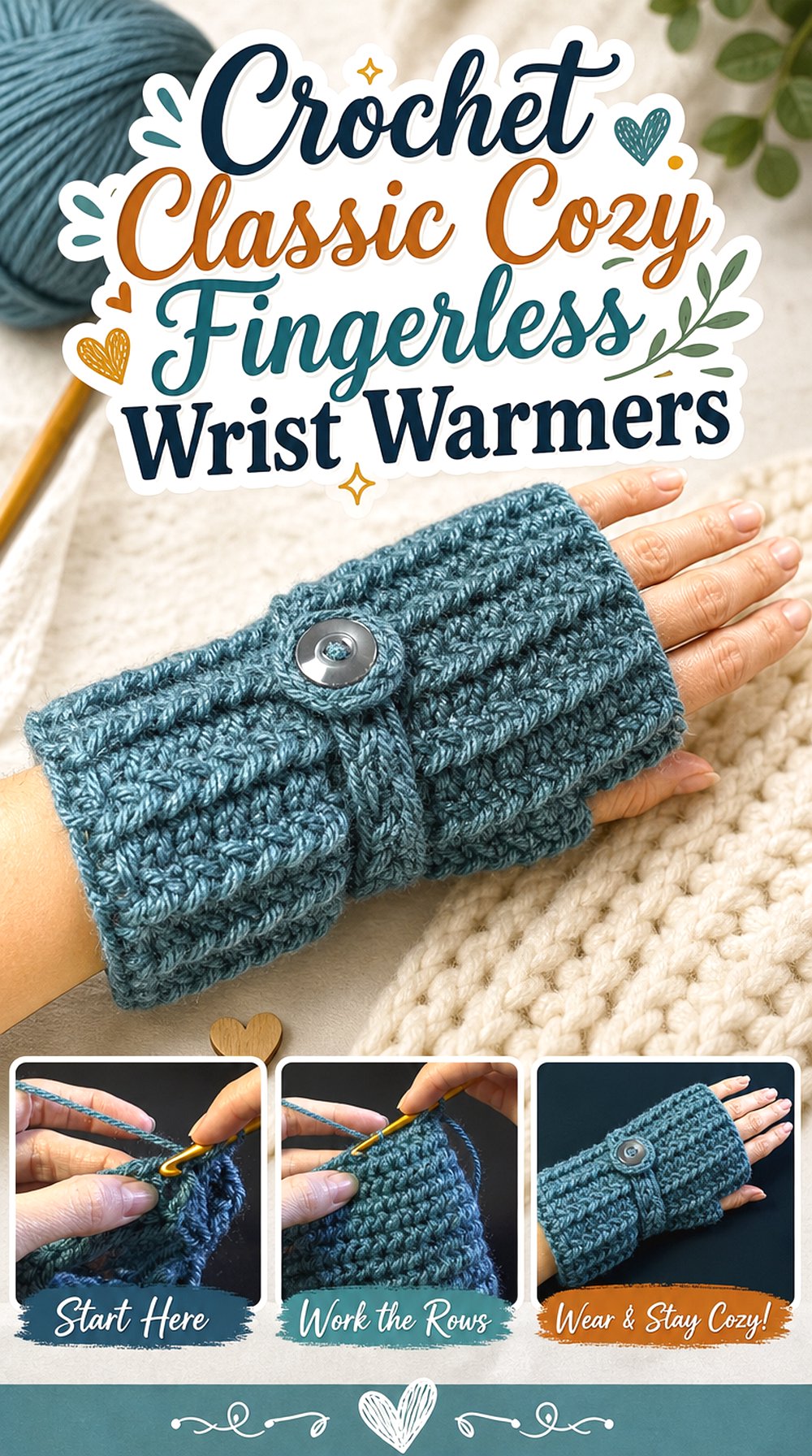
This project has a classic fingerless glove shape with a cozy finished look. It is less decorative than the bow, lace, and granny square choices, which makes it useful for readers who want a familiar wrist warmer style.
The design fits naturally into a practical cold-weather accessory list. It may suit someone who wants a full hand-warmer look without moving into a closed mitten or full-finger glove.
A Traditional Shape Is Easier to Compare
Classic fingerless wrist warmers give readers a clear baseline. Compare this option with the short seamed warmers if you want more hand coverage, or with the long wrist warmers if forearm length matters more.
Watch for the Finished Hand View
The final view is important because fingerless gloves need to sit well around the palm and thumb. Look for a clear angle of the worn pair so you can judge whether the coverage matches your preference.
Pattern Support Should Be Checked First
The source mentions a pattern link, so readers who like written guidance should confirm whether the linked page is still available and suitable. This helps avoid relying only on pausing the video during detailed sections.
Creator: Crochet with Clare
14. Crochet Fingerless Mitten Wrist Warmers

This project sits between a wrist warmer and a fingerless mitten, giving more hand presence than a tiny cuff. The finished style is useful for readers who want the mitten look while keeping the fingers open.
Compared with lacy wrist warmers, this one feels more practical and winter-focused. It is also different from long forearm warmers because the attention stays mainly around the hand, thumb, and wrist.
Mitten Styling Gives More Hand Coverage
A fingerless mitten shape usually looks fuller than a narrow cuff. Readers should choose this style when they want the wrist warmer to read as a hand accessory, not just a sleeve edge.
The Gift Angle Depends on Fit
The source describes the project as a gift-friendly winter item, but fit still matters. If making it for someone else, check whether the tutorial gives enough sizing guidance or whether you need the wearer’s hand measurements.
Keep the Thumb Opening Neat
The thumb area can make or break a fingerless mitten. Look closely at the finished opening and how it sits on the side of the hand. A clean opening helps the project look intentional rather than improvised.
Creator: Hopeful Turns
15. Crochet Ribbed Hand Warmer Wrist Warmers

These hand warmers include ribbed sections and a thumb border, giving the finished pair a more polished shape than a plain tube. The detailed tutorial format also makes this a good option for readers who want close attention to finishing.
This project differs from short seamed wrist warmers because it has more visible structure around the cuff and thumb area. It is a strong choice when clean edges matter.
Ribbing Helps Define the Edges
Ribbed edges can make wrist warmers look more fitted and finished. Readers should notice how the ribbing frames the hand and wrist, especially if they want the pair to sit neatly under sleeves.
The Thumb Border Adds Finish
A thumb border can make the opening look more intentional. Since this source includes a thumb-border section, pay attention to the final view and decide whether that extra finish is important for your project.
Detailed Chapters Help With Long Tutorials
The source has a long, chaptered structure, so it may suit readers who like slower guidance. Use the chapter list to locate major sections, especially the thumb and finishing parts, rather than trying to memorize the whole process.
Creator: Little Drops of Wonderful – Crochet & Knitting
16. Crochet Unique Cuff Fingerless Wrist Warmers
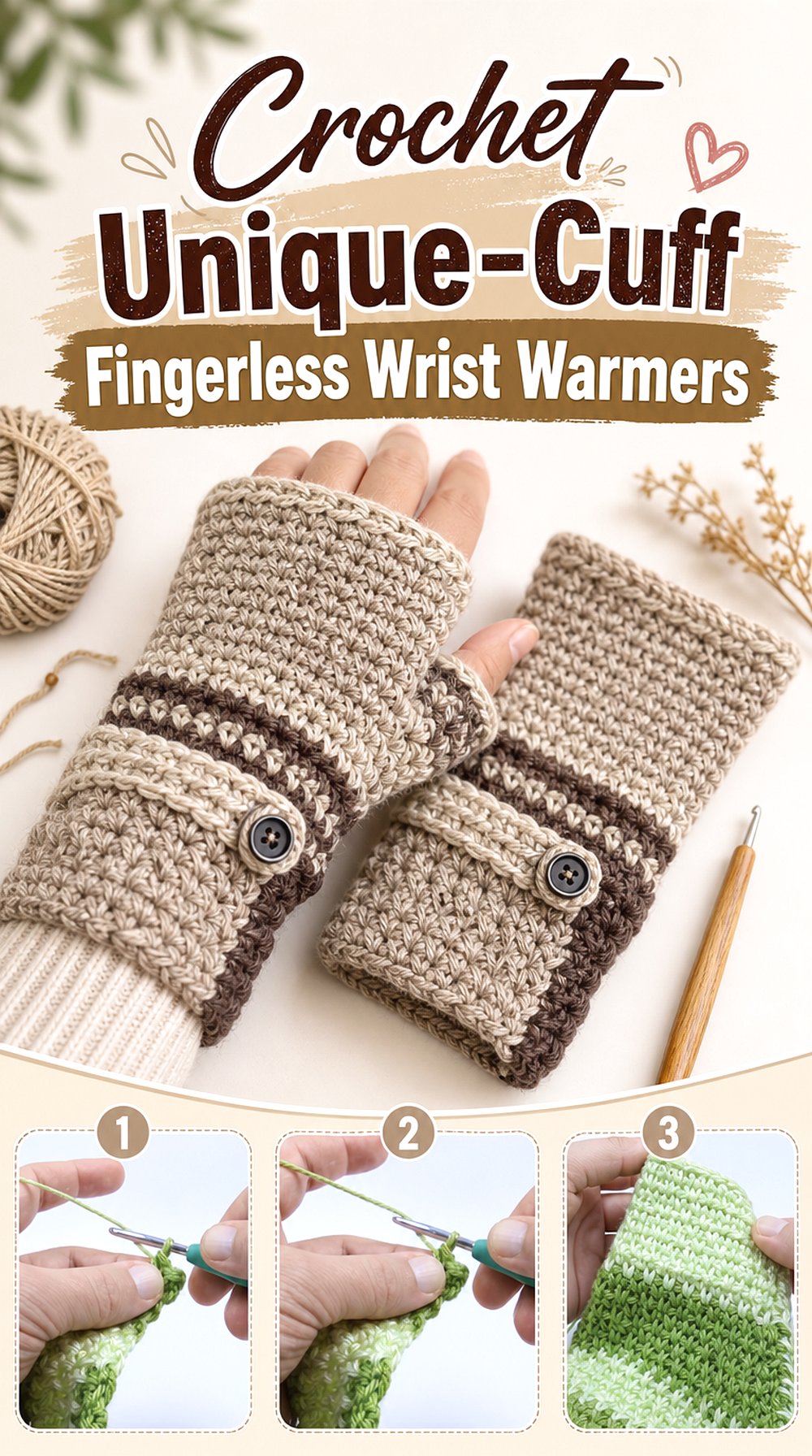
This Yarnspirations fingerless glove project stands out because the source describes a unique cuff design. That makes it a good closing option for readers who like classic fingerless gloves but still want a visible detail near the wrist.
The finished accessory is more structured in appearance than a plain folded cuff, while still staying practical. It is useful to compare with the matching-set wrist warmers and herringbone pair if you want texture without lace or bows.
The Cuff Is the Main Detail
The cuff should be the first feature readers compare. A more defined cuff can make wrist warmers look polished when worn with coats or sweaters. Check the finished cuff angle before deciding whether this is the right style.
Pattern Access May Be Helpful
The source links to a free crochet pattern, which may help readers who want written support alongside the video. Confirm the pattern page and any supply notes before choosing yarn.
Choose This for a Cleaner Decorative Finish
This project is decorative without being frilly. It gives a wrist detail without using motifs, shells, or bows, which may suit readers who want something wearable but still slightly different from a basic tube.
Creator: Yarnspirations
Choosing Between Short, Long, Lacy, and Textured Wrist Warmers
Choose a short seamed warmer if you want a compact accessory with minimal bulk. Pick a long wrist warmer when forearm coverage matters, especially for layering near coat sleeves. Granny square and bow-trimmed designs are better when the wrist warmers are meant to be seen as part of an outfit.
For texture, compare herringbone, ribbed, and unique-cuff options. They add interest without the open spaces of lace. Lacy and shell designs are more decorative and may feel lighter visually. Multi-size and classic mitten-style options are useful when fit and hand coverage matter more than surface detail.
Conclusion
These 16 crochet wrist warmers give a wide range of choices, from compact seamed cuffs to longer fingerless mitts and decorative lace styles. For the most practical pair, start with ribbed, herringbone, classic, or mitten-shaped warmers. For a more visible accessory, compare the granny square, bow-trimmed, lacy, or shell lace projects.
The best choice depends on how much wrist and hand coverage you want, whether the thumb opening looks comfortable, and how much texture should show. Use the original tutorials for exact construction details, sizing notes, materials, and finishing guidance before starting.
FAQs
Are crochet wrist warmers the same as fingerless gloves?
They often overlap, but the shape can vary. Some wrist warmers are short cuffs that mainly cover the wrist and lower hand. Others look more like fingerless gloves or mitts with a clear thumb opening and more palm coverage. Check the finished photos or video preview before choosing.
How do I choose the right crochet wrist warmer length?
Look at where the finished piece sits on the arm. A short warmer is better when you want less bulk around sleeves. A long wrist warmer gives more forearm coverage and may work better under coats. Compare the creator’s measurements with your own wrist and arm.
Should I choose ribbed, lacy, or granny square wrist warmers?
Choose ribbed or herringbone styles for a denser, more classic look. Lacy and shell designs are better when you want open texture and a decorative finish. Granny square wrist warmers create a patchwork look, so they work best when the motif layout is part of the style.
What should I check before changing yarn?
Check the original material list, finished measurements, and the way the wrist warmer fits around the hand. Small accessories can change size quickly when yarn weight or hook size changes. If the project is fitted, make a careful comparison before substituting supplies.
Can crochet wrist warmers be made as gifts?
Yes, but sizing is the main issue. Wrist warmers need to fit around the hand, thumb opening, and wrist, so it helps to know the wearer’s measurements. If that is not possible, choose a source that gives size notes or a design with a more forgiving fit.
Can I sell wrist warmers made from a YouTube tutorial?
Do not assume selling is allowed. Check the creator’s pattern terms, video description, linked blog post, or shop policy. Some creators allow finished-item sales, while others may have limits. Also check any local labeling, tax, and small business rules that apply to you.


