Crochet woodland fall decor works best when the pieces feel different from one another. A shelf with only pumpkins can look flat, but a mix of acorns, mushrooms, leaves, forest animals, and pine cones gives the display more shape and movement.
This collection includes small accents for garlands and wreaths, soft amigurumi animals for shelves or tiered trays, and a few larger seasonal pieces that can stand on their own. Some projects lean more rustic, while others feel playful or storybook-inspired, so readers can choose pieces that match their space instead of making one repeated decoration.
Quick List
- Crochet No-Sew Acorn Pillow Decor
- Crochet Woodland Mushroom Ornament
- Crochet Ribbed Fall Pumpkin
- Crochet Oak Leaf Garland Accent
- Crochet Textured Pine Cone Decoration
- Crochet Woodland Owl Shelf Decor
- Crochet Squirrel with Acorn Detail
- Crochet Woodland Fox Plush Figure
- Crochet Textured Hedgehog Decor
How to Build a Woodland Fall Display Without Overcrowding It
A woodland fall display usually looks more balanced when it mixes heights, shapes, and flat pieces. Larger items, such as an owl, fox, pumpkin, or acorn pillow, can anchor a shelf or bench. Smaller pieces, such as leaves, mushrooms, pine cones, and acorns, work better as fillers around a tray, wreath, mantel, or table centerpiece.
Before choosing a tutorial, think about where the finished item will sit. Hanging leaves need a different kind of planning than a stuffed animal shape. A mushroom may work well in a small cluster, while a tall owl needs enough open space around it so the face and body stay visible. This kind of planning helps the whole fall scene look intentional instead of crowded.
1. Crochet No Sew Acorn Pillow Decor
 SAVE
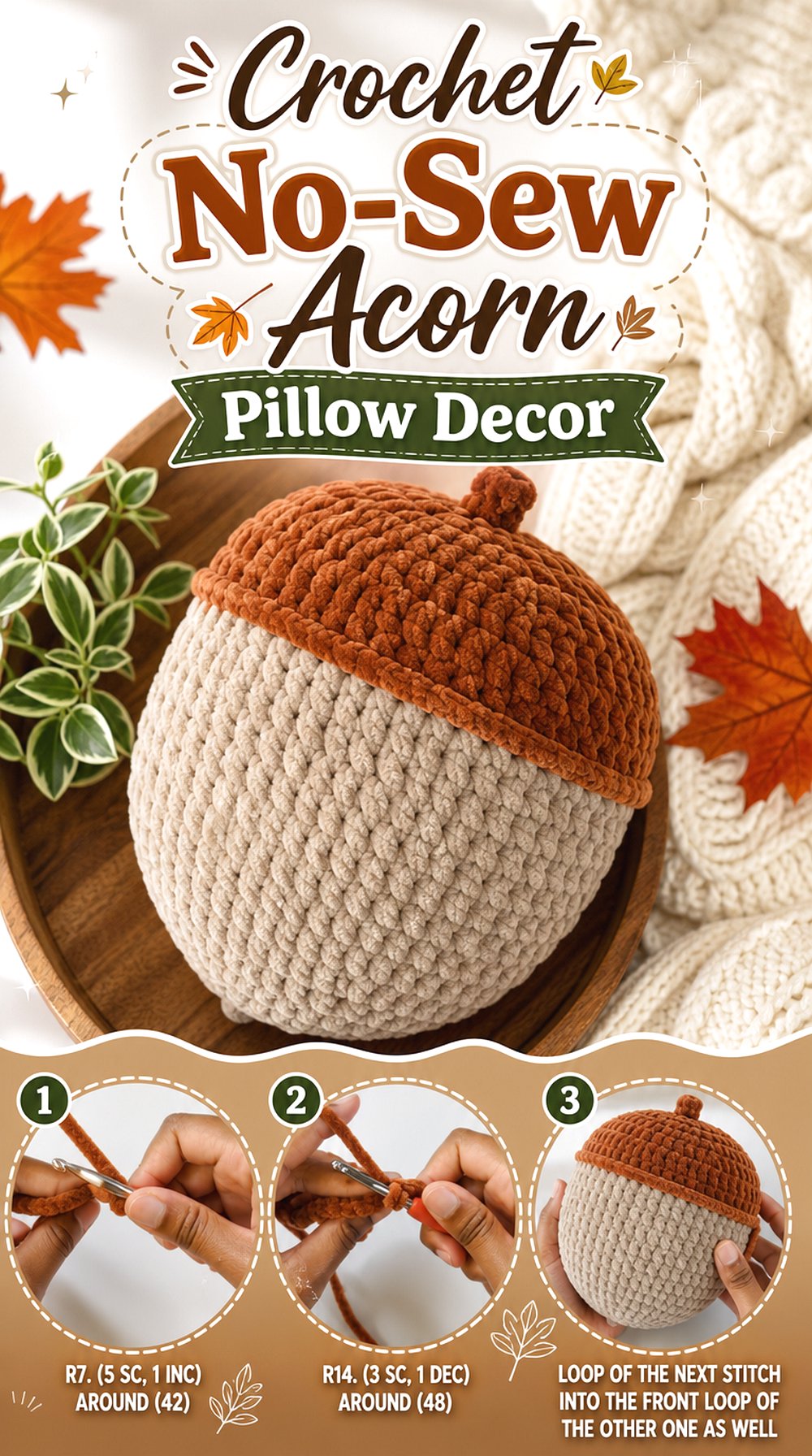
SAVEA rounded acorn shape brings the woodland theme in right away, especially because it can work as fall decor, a plush piece, or a small pillow-style accent. The cap-and-body contrast makes it more specific than a plain autumn ball or pumpkin, and the no-sew format keeps the finished shape visually simple.
This project is useful for a couch corner, basket display, reading nook, or autumn shelf where one larger soft piece can anchor smaller mushrooms, leaves, and pine cones around it.
The Rounded Scale Changes the Display
This acorn is not just a tiny applique. The source presents it as decor, a pillow, or an amigurumi-style plush, so readers should think about scale before choosing its spot. A larger rounded piece may need a basket, chair, bench, or deeper shelf rather than a narrow garland area.
Cap Texture Is the Main Visual Feature
The acorn cap is what makes the piece read clearly as woodland decor. When choosing colors, keep enough contrast between the cap and lower body so the shape stays recognizable from a distance. A low-contrast palette may look softer, but it can also make the acorn silhouette less clear.
Where This Piece Works Best
Because this acorn has a soft stuffed form, it may work better as a display accent than as something handled constantly. It can sit with pumpkins on a mantel, rest in a fall basket, or pair with leaves for a forest-floor look. Readers should use the original tutorial for the exact shaping and finishing details.
Creator: ~ comfy cozy naoetry ~
2. Crochet Woodland Mushroom Ornament
 SAVE
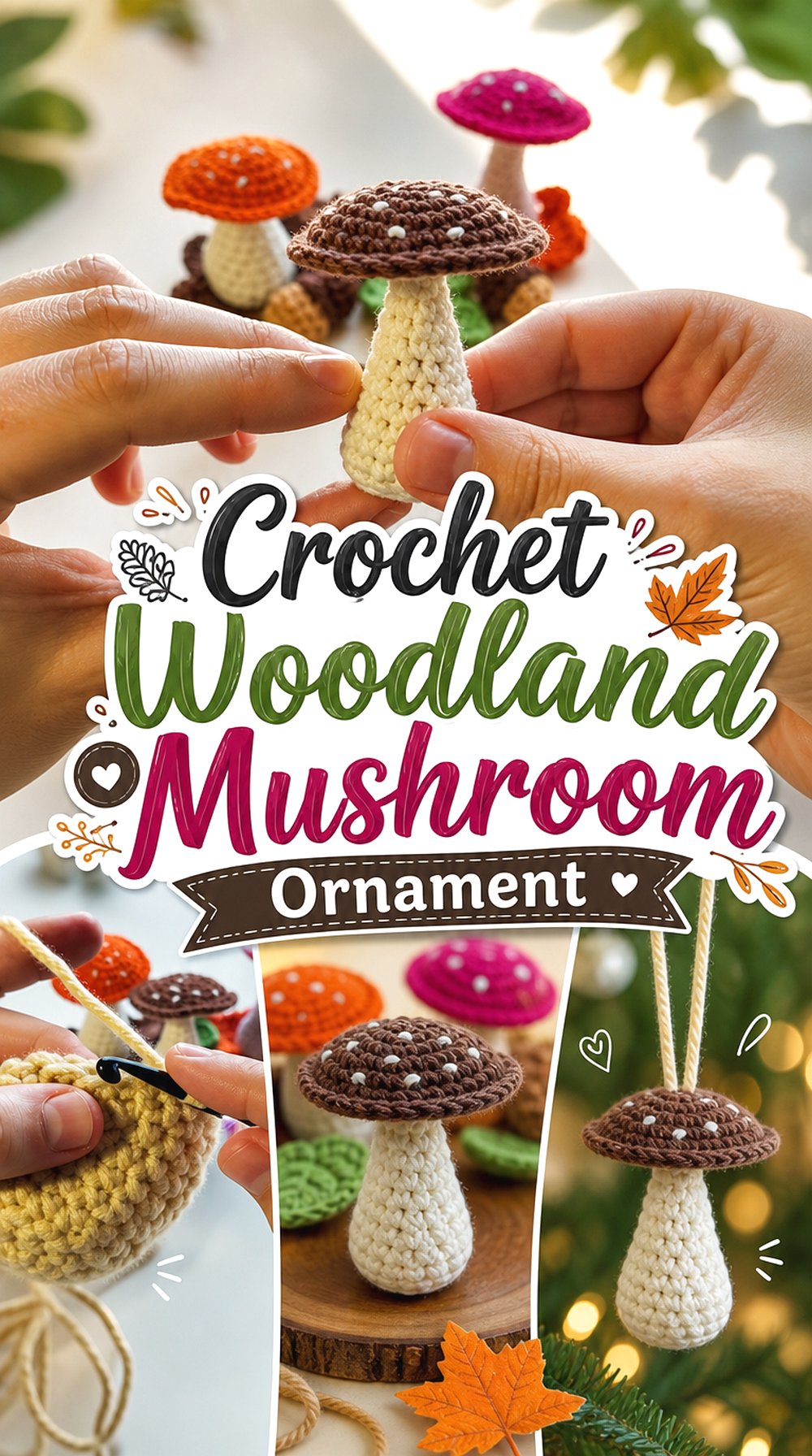
SAVEA crochet mushroom gives the collection a forest-floor detail that feels different from pumpkins and animals. The finished piece has a stem-and-cap shape that can be used as a small decoration, added to a wreath, worked into a garland, or made as a hanging ornament.
This is a good choice when the display needs something compact and vertical. A few mushrooms in different fall colors can fill empty space around larger pieces without taking over the whole arrangement.
Cap and Stem Contrast Matters
The mushroom shape depends on a clear difference between the cap and stem. A red, rust, brown, cream, or muted gold cap can push it toward autumn decor, while a pale stem keeps the shape easy to read. Readers should avoid choosing colors so close together that the cap disappears visually.
Use It as a Filler or Hanging Accent
The source describes the mushroom as useful for decorations, wreaths, garlands, hanging ornaments, and larger projects. That flexibility makes it especially helpful for small spaces. Before making several, decide whether the mushrooms will sit upright, hang, or attach to another base, since that changes how the finished piece will be displayed.
Creator: Tekson Crochet
3. Crochet Ribbed Fall Pumpkin
 SAVE
SAVEA crochet pumpkin is the classic fall anchor piece, but this one earns its place in a woodland collection because it can sit beside acorns, leaves, pine cones, and forest animals without looking out of place. The ribbed body gives it a familiar harvest shape, while the stem detail helps it feel finished rather than like a plain stuffed ball.
This option works well for tabletops, tiered trays, entryway bowls, or mantel groupings where one warm seasonal shape is needed.
The Sectioned Shape Adds Definition
The pumpkin’s divided body is the detail that makes it read clearly from across a room. Those sections can create shadow and depth in a display, especially when the pumpkin sits next to flatter leaves or smaller mushrooms. Readers should watch the finishing portion carefully so the final shape looks intentional.
Stem Choice Affects the Mood
The source includes a cinnamon stick stem, which gives the pumpkin a more natural seasonal look. Readers who plan to use this near children, pets, or high-traffic areas should think carefully about placement and handling. A decorative stem may look rustic, but it is still a separate detail worth securing and checking.
Measurements and Modifications Are Worth Reviewing
The tutorial includes a measurements and modifications section, which is helpful because pumpkins can look very different depending on size. A small version may suit a tray, while a larger one may need more open tabletop space. Confirm the finished direction before choosing where it will sit in the fall arrangement.
Creator: Jaclyn | Purls & Top Knots
4. Crochet Oak Leaf Garland Accent
 SAVE
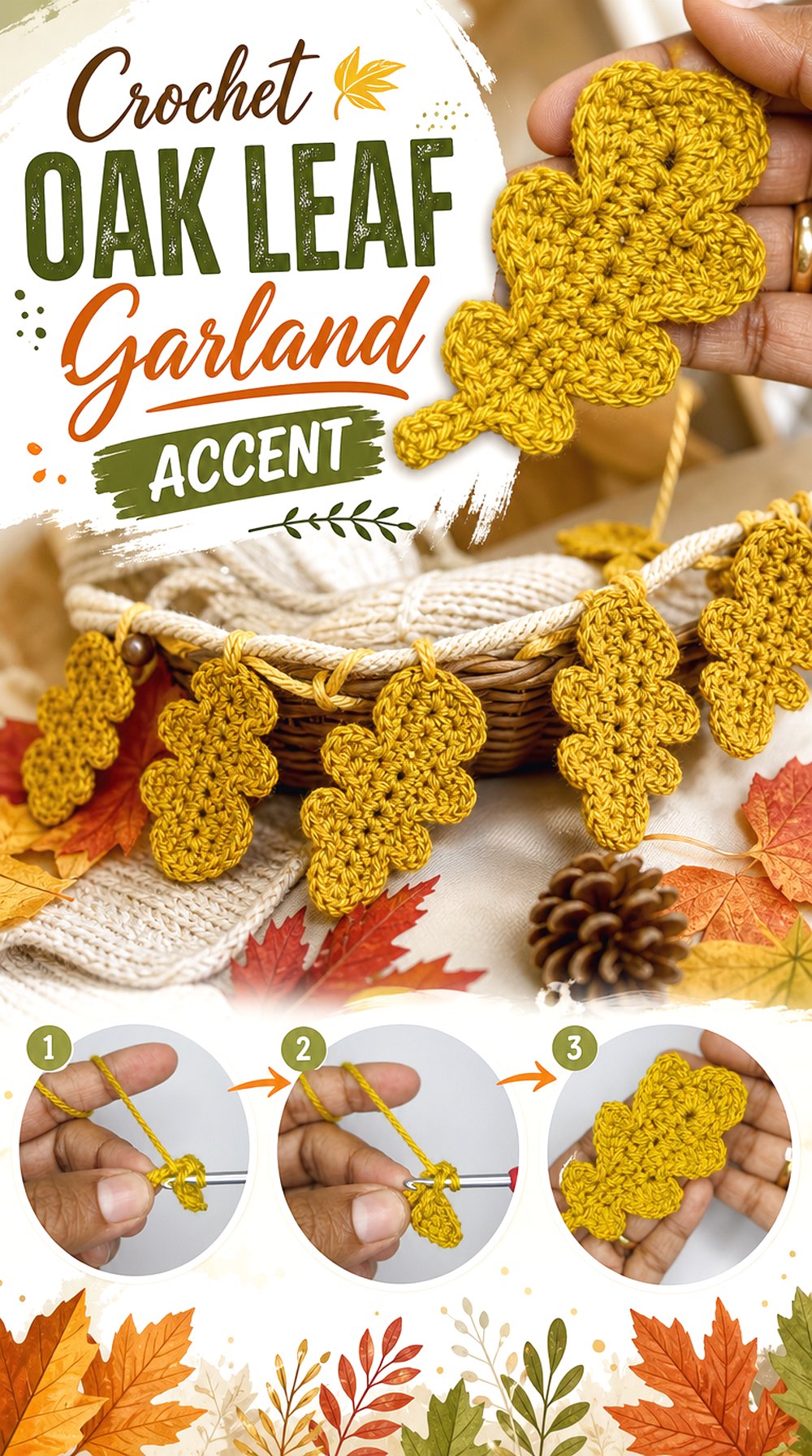
SAVEA crochet oak leaf brings the woodland theme into a flatter, lighter form. Unlike stuffed pumpkins or animal figures, leaves can be scattered, layered, tied into a garland, or added to a wreath. The oak shape also feels more forest-inspired than a simple oval leaf.
This project is especially useful when the display needs movement across a mantel, shelf edge, table runner, or wreath base. It can connect the larger pieces without adding too much bulk.
Flat Leaves Help Fill Empty Spaces
Flat crochet leaves are helpful because they can slip under or around larger decor. A few oak leaves can soften the base of a pumpkin, frame a mushroom cluster, or fill a tray corner. Readers should decide whether they want the leaves loose, attached, or strung together before making multiples.
Garland and Wreath Use Are Built Into the Idea
The source specifically connects the oak leaf to autumn garlands and wreaths. That makes it a strong choice for readers who want a project that can stretch across a display instead of standing in one spot. For a woodland look, pair the leaves with acorns, pine cones, mushrooms, or small animal figures.
Creator: Hopeful Turns
5. Crochet Textured Pine Cone Decoration
 SAVE
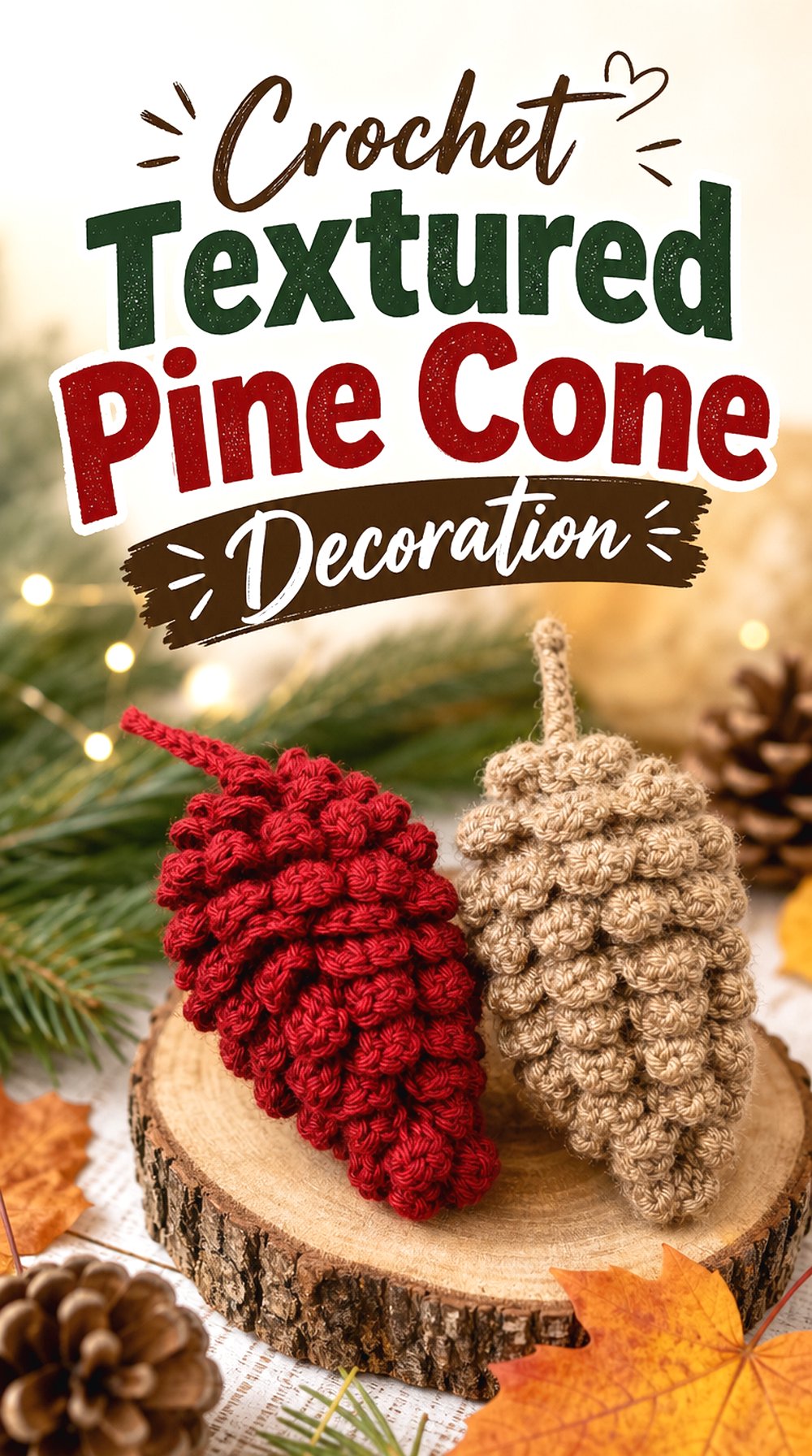
SAVEA pine cone adds a woodland detail that feels natural for both autumn and early winter displays. The layered surface gives it more texture than a flat leaf, but it still stays smaller and quieter than a stuffed animal or pumpkin.
This project works well in bowls, wreaths, garlands, mantel arrangements, or gift-topping displays. It is a useful bridge piece if the decor will stay out beyond Thanksgiving and move into a more winter woodland look.
Layered Texture Is the Main Appeal
The pine cone depends on its layered surface. That texture can bring depth to a display, especially when placed near smoother pumpkins or rounded acorns. Readers should look closely at the finishing view so the outside texture faces the right direction when the piece is displayed.
A Seasonal Accent With a Longer Display Window
The source presents the pine cone for autumn and winter decor, which makes it more flexible than a strictly Halloween or Thanksgiving item. It can sit with fall leaves in October and later move into greenery, rustic ornaments, or neutral winter arrangements.
Size and Stuffing Details Need Attention
Because a pine cone has a shaped body, the final look may depend on how firmly it is filled and finished. The exact shaping belongs in the original tutorial, but readers should review the full supply list first so the finished piece has enough body to hold its intended form.
Creator: HiruHandmade Crochet
6. Crochet Woodland Owl Shelf Decor
 SAVE
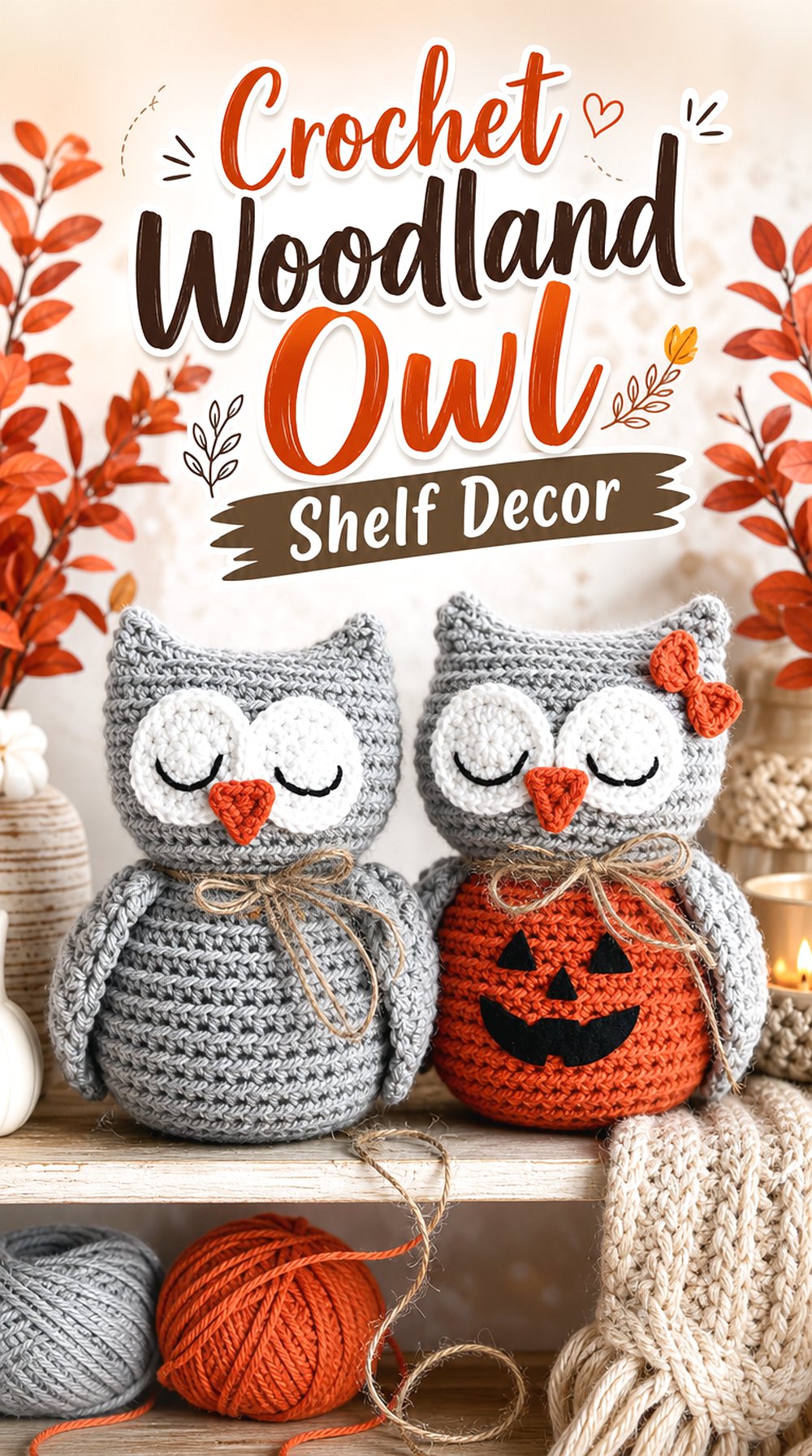
SAVEA standing owl gives the woodland display height, face detail, and a clear focal point. This project is different from the smaller accents because it can sit as the main figure on a shelf, mantel, nursery dresser, or entry table. The sleepy face and rustic bow create a softer woodland look instead of a spooky Halloween-only style.
The source also includes information about weighting the owl for stability, which is useful for readers who want the finished piece to stand neatly in a display.
Height Makes It a Focal Piece
The source lists a finished height of 14 inches, so this owl is better treated as a main display item than a tiny filler. It may need open space above and around it, especially if placed on a mantel or tiered tray. Readers should measure their display area before choosing this as the centerpiece.
Stability Is More Important Than It Looks
An upright stuffed owl needs to sit securely if it will be used on a shelf or table. The source mentions weighting the owl for stability, which is worth reviewing before starting. This is especially important if the decor will be near a doorway, busy tabletop, or area where items are moved often.
Face Details Set the Whole Mood
The eyes, beak, and sleepy expression make the owl feel gentle rather than dramatic. Readers can use this to guide the rest of the display: soft leaves, mushrooms, acorns, and neutral pumpkins will support that calmer look better than very busy surrounding pieces.
Optional Seasonal Add-Ons Need a Decision
The source mentions a festive option using a felt jack-o’-lantern face. That gives readers a choice between general woodland fall decor and a more Halloween-specific version. Decide first, because a removable-looking seasonal face can change where and how long the owl fits in the display.
Creator: MJ’s Off The Hook Designs
7. Crochet Squirrel with Acorn Detail
 SAVE
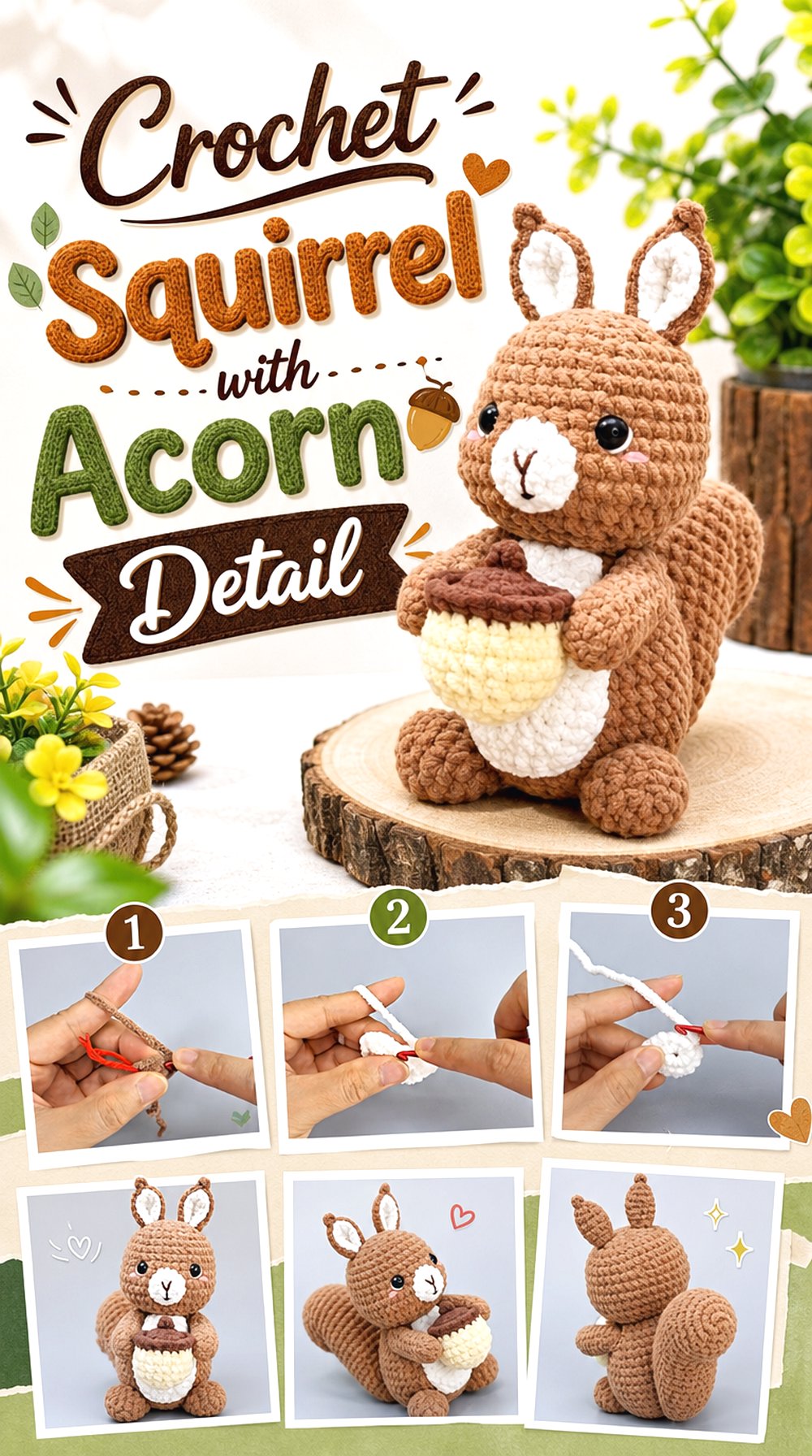
SAVEA crochet squirrel brings movement and personality into the woodland theme. The tail, small limbs, and nut detail make it feel more like a forest character than a plain stuffed animal. It can sit near crochet acorns or leaves to create a small storybook-style fall scene.
This project is a stronger choice for a shelf, nursery display, or seasonal basket than for a flat garland. It needs enough space for the tail and body shape to show clearly.
The Tail Defines the Silhouette
The squirrel’s tail is one of the most important visual parts of the finished figure. If the display is crowded, the squirrel may lose its shape. Place it where the tail can be seen from the front or side, rather than pressing it tightly between pumpkins or other tall pieces.
The Nut Detail Connects It to Fall
The source includes a nut section, which helps the squirrel belong in a fall woodland collection. That small prop can tie the figure to acorns, oak leaves, and pine cones around it. Readers should check how the nut is finished and attached before planning it for a display that may be handled.
Assembly Views Are Worth Slowing Down
Animal figures usually depend on placement: ears, legs, arms, tail, and face details need to sit in the right areas for the character to look balanced. Use the original tutorial for the exact assembly guidance, and pause during the final positioning sections rather than rushing through the finishing stage.
Creator: Tata Crochet Patterns
8. Crochet Woodland Fox Plush Figure
 SAVE
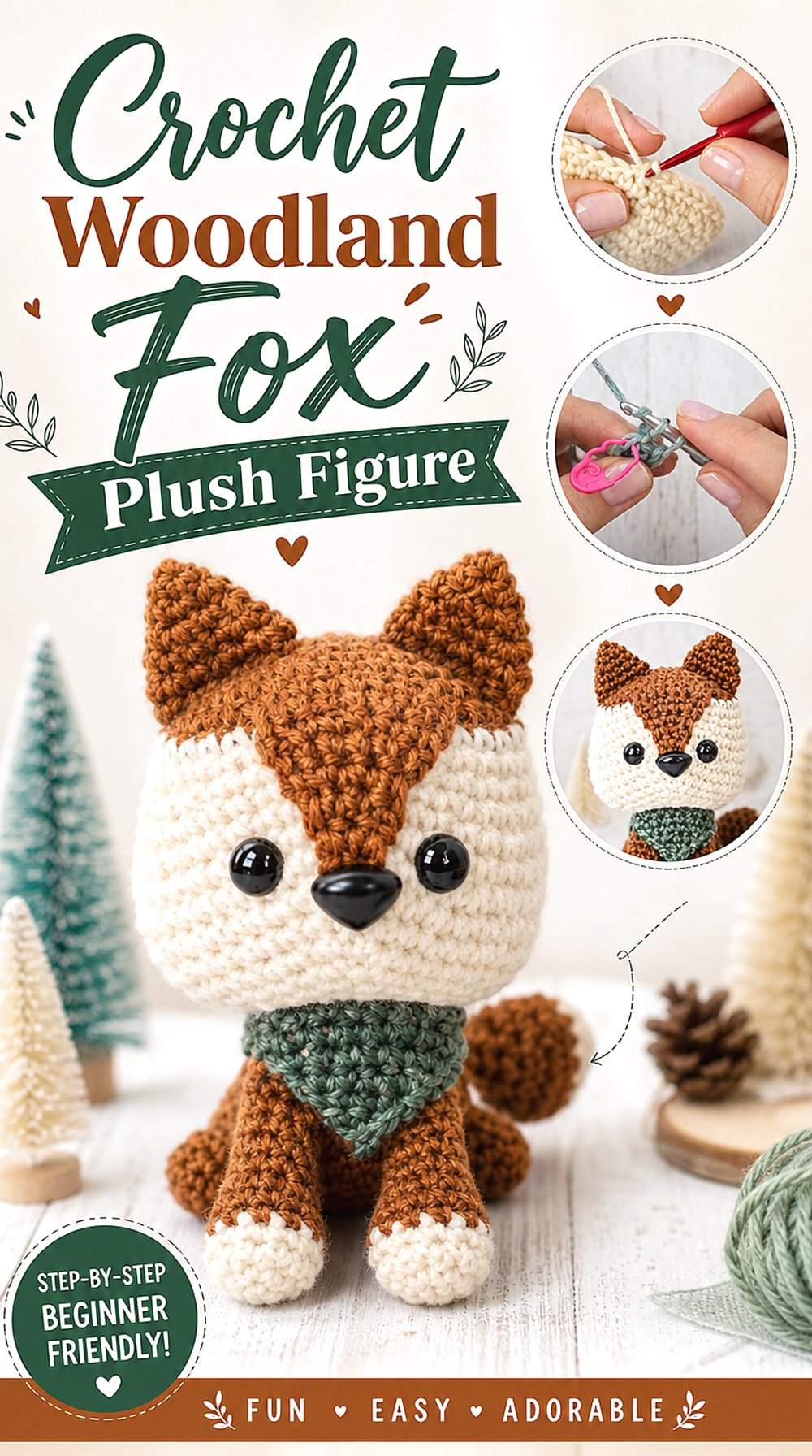
SAVEA fox adds a warm woodland animal shape with more color contrast than the owl, hedgehog, or squirrel. The pointed ears, face shaping, tail, and small bandana detail give it a finished character look that can stand beside pumpkins or leaves without needing many extra props.
This project suits readers who want one animal figure with a little more personality. It can work in a nursery-style woodland display, fall shelf scene, or handmade gift arrangement.
A Seated Figure Needs Breathing Room
The fox has several parts that help define the finished animal, including ears, feet, and tail. Give it enough space so those shapes are visible. A crowded tray may hide the details, while a shelf or small riser can let the figure read clearly from a distance.
Color Contrast Helps the Face and Tail
Fox designs often rely on contrast around the face, body, and tail tip. The source lists separate yarn colors for the figure, so readers should keep contrast in mind when planning a fall palette. Too many similar browns or oranges may make the facial shape harder to see.
Small Parts Need Practical Planning
The source materials include safety eyes and a safety nose, and those details affect how the finished piece should be used. Readers making decor for homes with young children or pets should review the creator’s notes carefully and decide whether the finished fox is for display only.
Creator: Yarn Society
9. Crochet Textured Hedgehog Decor
 SAVE
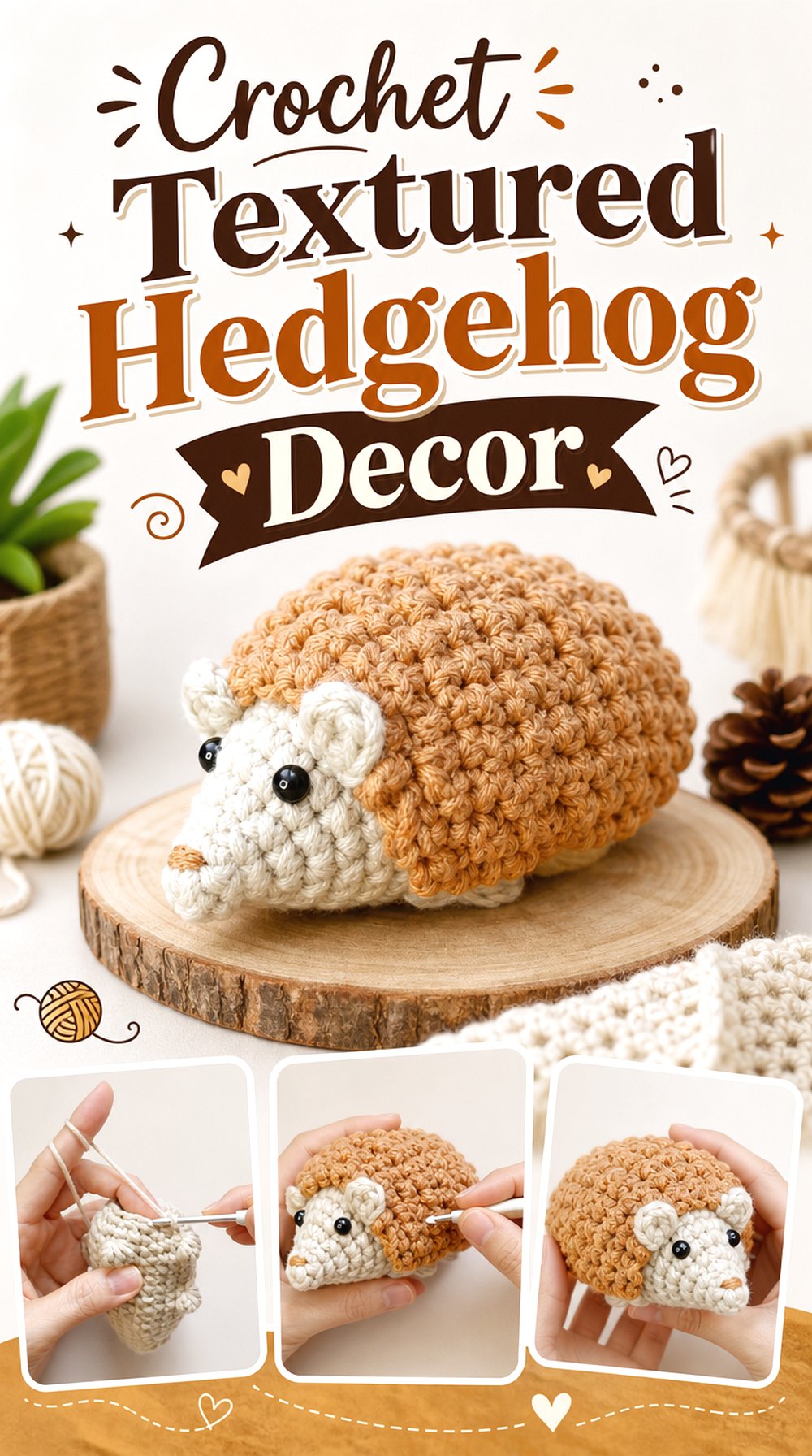
SAVEA hedgehog gives the woodland collection a low, rounded animal shape that feels different from the taller owl and fox. The textured body is the standout feature, while the small face keeps the finished piece soft and simple.
This option is useful for a small shelf, fall tray, bookcase corner, or grouped animal display. It can sit near mushrooms and leaves to create a forest-floor scene without needing the height of a larger centerpiece.
Texture Creates the Hedgehog Effect
The source describes a fluffy textured body, which is what separates the hedgehog from a basic oval amigurumi. That surface detail matters most when the piece is placed where viewers can see it up close. A deep shelf may hide the texture, while a tray or low riser can show it better.
A Small Animal Group Can Work Well
The source suggests making a hedgehog family in different yarn colors. That can be useful for readers who prefer one repeated character instead of mixing many animal types. Keep the colors within an autumn palette so the group still feels like fall decor rather than a general toy collection.
Face Details Should Stay Visible
The ears, nose, and eyes help the hedgehog read as a woodland animal. When adding it to a basket or shelf, avoid burying the face behind leaves or pumpkins. Place lower accents around the sides instead so the textured body and face both remain visible.
Creator: Crochiquely
Choosing Between Small Accents, Shelf Animals, and Hanging Decor
For a quick seasonal refresh, start with the smaller woodland pieces: oak leaves, mushrooms, pine cones, and acorns. They can fill trays, wreaths, garlands, and bowls without needing much display space. For a stronger focal point, choose the pumpkin, owl, fox, squirrel, or hedgehog, since those pieces read more like individual characters or centerpieces.
A mantel may work best with a mix of flat leaves, one pumpkin, and one animal figure. A tiered tray may need smaller mushrooms, pine cones, and acorns instead. For a child’s room or storybook corner, the owl, fox, squirrel, and hedgehog create a clearer woodland theme.
Conclusion
These crochet woodland fall decor ideas give readers several ways to build a seasonal display. The acorn, mushroom, leaf, and pine cone are useful for small accents and filler pieces. The pumpkin works as a familiar fall anchor, while the owl, squirrel, fox, and hedgehog add character and height.
Choose the project based on where it will sit first: hanging, tabletop, shelf, basket, or mantel. Then use the original tutorials for exact construction details, finishing, and any creator-specific notes before starting the project.
FAQs
What crochet woodland fall decor should I make first?
Start with the display space. A narrow mantel may work better with oak leaves, mushrooms, pine cones, and a small pumpkin. A deeper shelf can hold an owl, fox, squirrel, or hedgehog. If the space is small, choose one animal figure and surround it with two or three flatter accents.
Can these crochet projects be used in a fall wreath?
Some pieces fit wreaths better than others. Oak leaves, mushrooms, pine cones, and smaller acorns are easier to arrange on a wreath base than larger stuffed animals. Before attaching anything, check the finished size and weight from the original tutorial so the wreath does not become crowded or pull forward.
How do I keep a woodland fall display from looking too busy?
Use one or two larger pieces and several smaller accents. For example, pair a pumpkin or owl with leaves, mushrooms, and pine cones instead of adding every animal in one place. Keeping the color palette close to rust, cream, brown, olive, mustard, and muted gold also helps the display feel connected.
Are crochet woodland animals decor or toys?
Treat them as decor unless the creator clearly states age suitability and safe-use details. Projects with safety eyes, small parts, glued pieces, or decorative attachments may not be suitable for young children. For gift plans, review the creator’s material notes and use the finished item in a way that matches the source guidance.
Can I sell finished decor made from these YouTube tutorials?
Do not assume selling is allowed. Each creator may have different rules for finished items, pattern use, credit, and commercial permissions. Check the video description, linked written pattern, shop listing, or creator policy before selling anything made from a tutorial.